Key Highlights
- First impressions matter: Make sure your reception area is welcoming. Keep it clean and organized. Offer comfortable seating, Wi-Fi, and interesting reading materials to create a good experience.
- Make admin tasks easier: Use digital patient intake forms and effective scheduling systems. This will reduce wait times and improve patient satisfaction. When admin work is smooth, you can spend more time on personal interactions and treatment talks.
- Use advanced technology: Improve the experience during treatment by using modern dental tools. Digital scanners and imaging can help make things more accurate, efficient, and comfortable for patients.
- Encourage open communication: Build strong relationships with patients. Listen to them, use simple language, and help them understand their treatment options. Regular updates and follow-up calls help build trust and show you care about their well-being.
- Focus on patient care: Teach your team to value empathy and personalized care. This creates a friendly and supportive environment from the moment patients enter until they leave.
Introduction
In the busy world of dentistry, it’s very important to create a good experience for new patients. A great first impression helps build strong relationships and encourages happy referrals from patients. Success isn’t only about showing your dental skills. It’s also about making sure your practice is easily found in Google searches and creating a warm, inviting environment. Aim to go beyond what patients expect at every moment.
Creating a Lasting First Impression
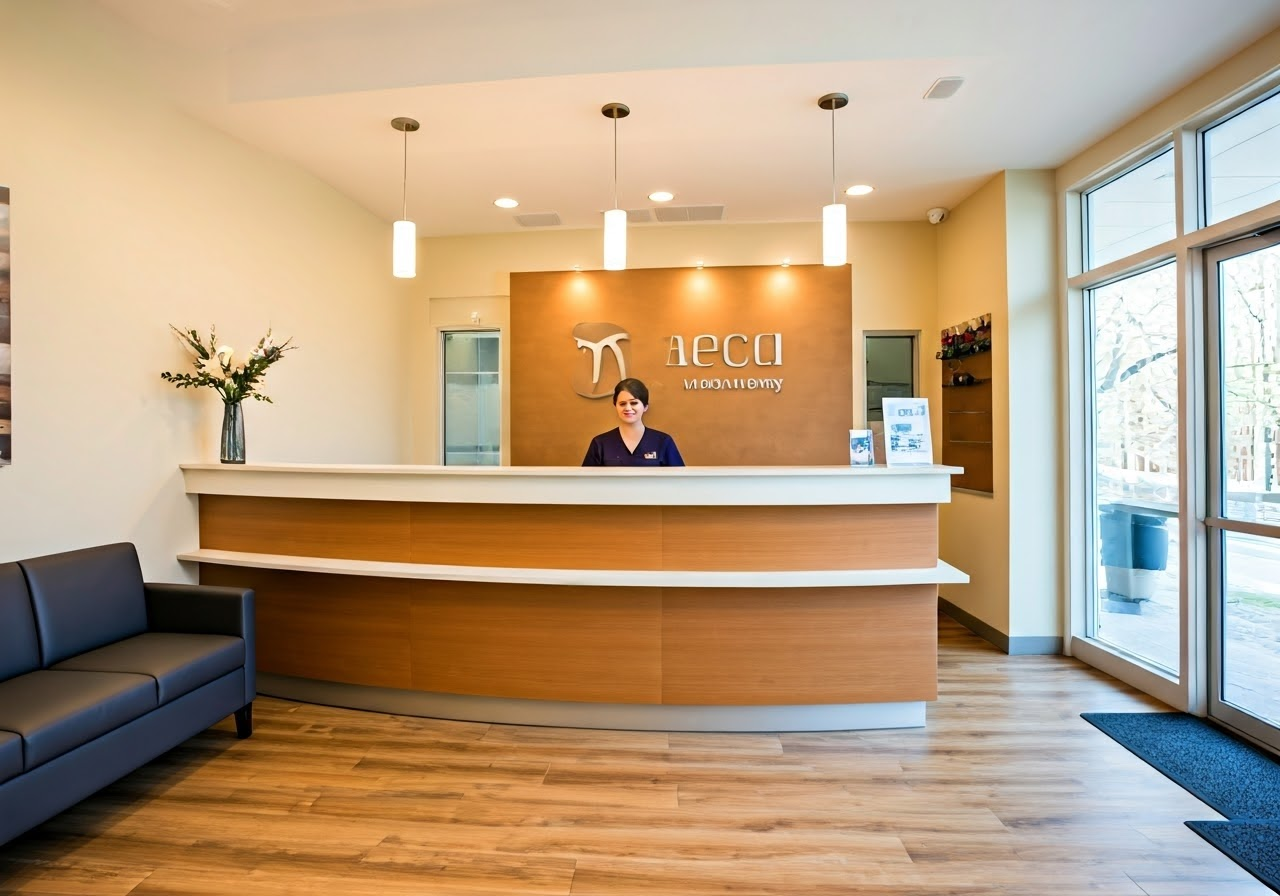
Before a patient arrives at your office, their experience starts with what they see online. Your website, social media, and online reviews should create a friendly and professional image. They should also make it easy for people to find information about your practice, team, and services.
When a patient gets in touch with your office, it’s important that the front desk staff respond quickly and kindly. Good interactions set a positive tone for their visit. Make sure to answer questions completely, set up appointments smoothly, and help them move from online inquiries to their in-person visit easily.
Designing an Inviting Reception Area
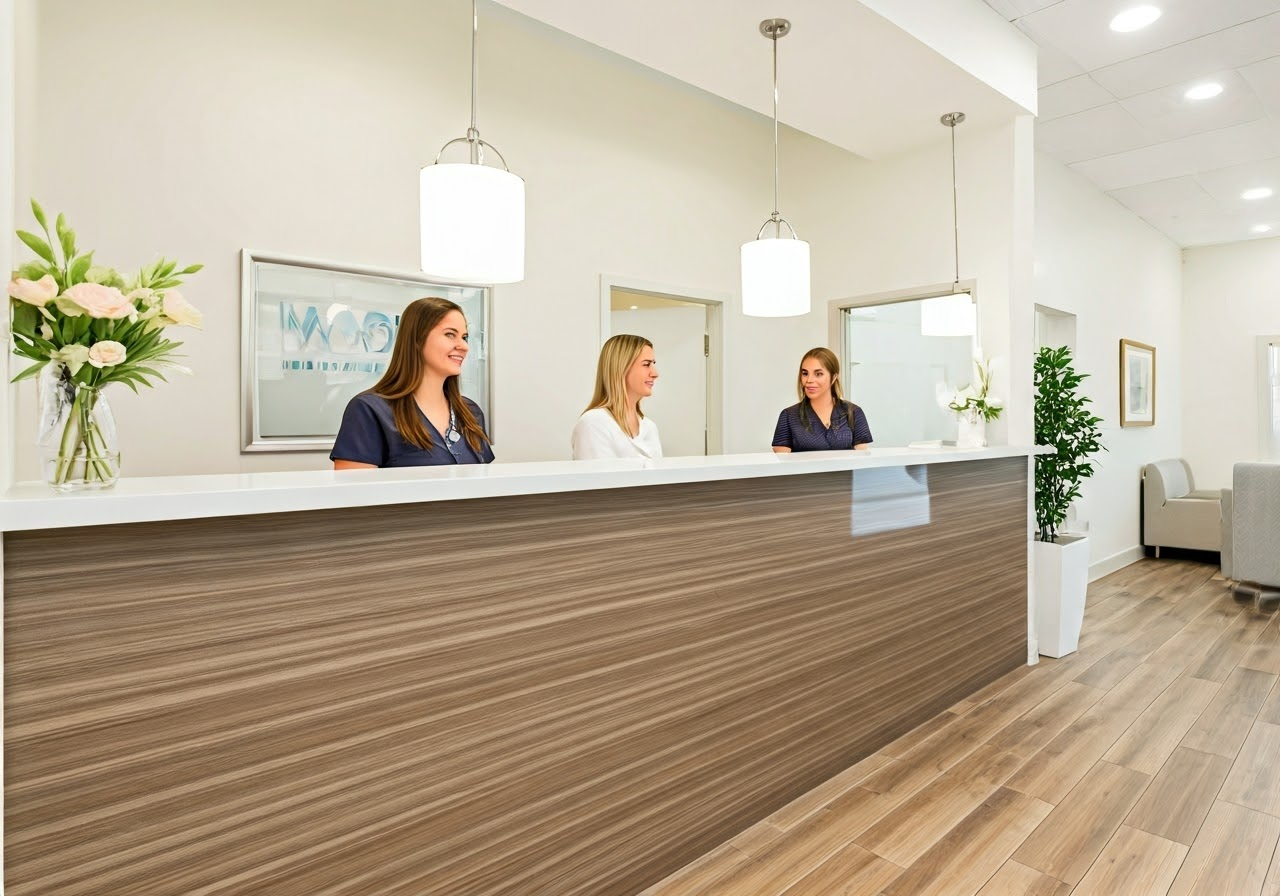
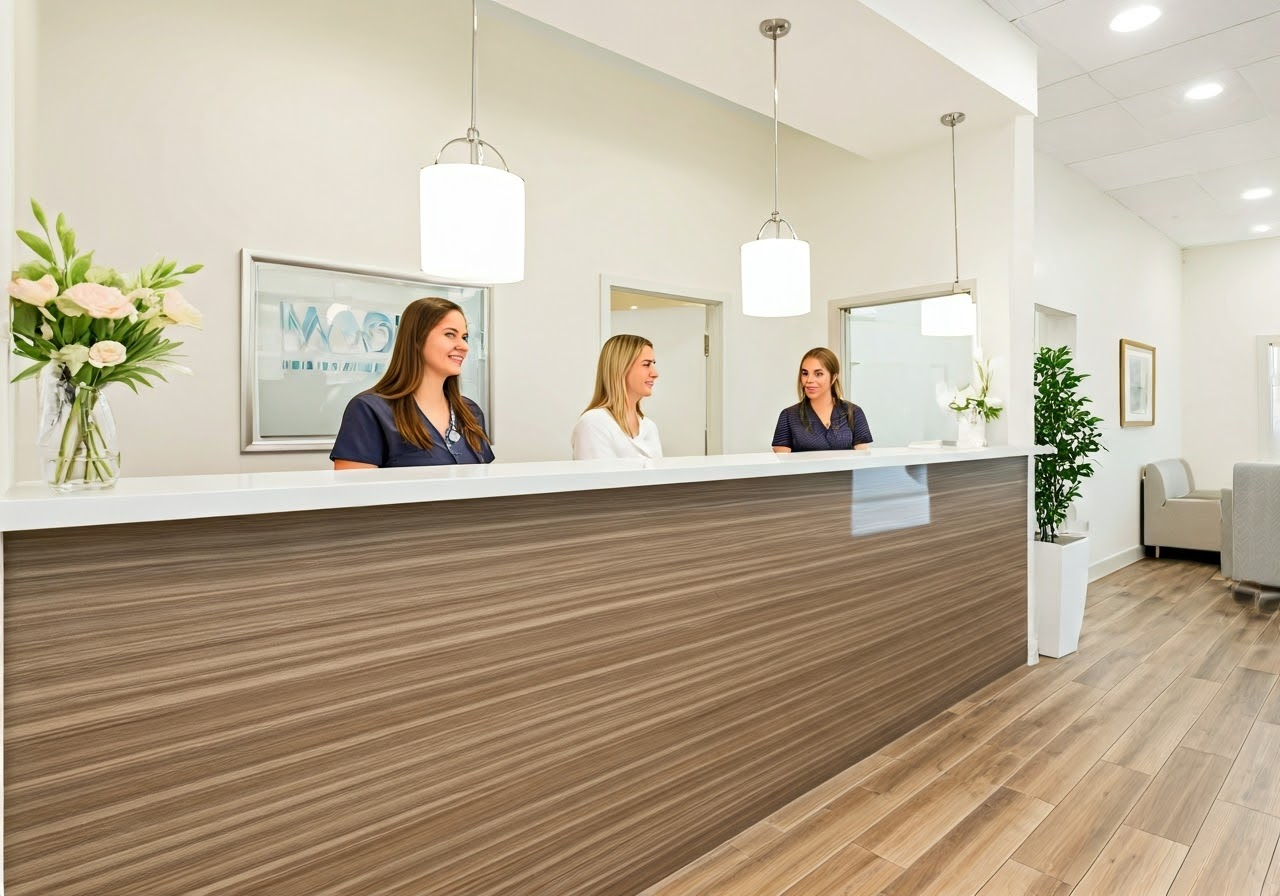
The reception area is where your patients first arrive. It is important for how they see your practice and to put your best foot forward. Make it calming and welcoming. Use comfortable seating, pretty decorations, and plenty of natural light.
Adding nice touches can help patients feel relaxed. For example, offer drinks, play soothing music, and have up-to-date magazines available. If you have a children’s area with books and activities, it can make families feel more at home.
Keep the reception desk clean and organized. Make sure friendly team members are there to help patients. A smooth check-in process will lower wait times and give a good first impression.
Personalized Greetings and Patient Acknowledgment
When a patient arrives, especially a new patient for their first appointment, the front desk staff should greet them warmly and personally. This first interaction is a chance to create an exceptional patient experience, making patients feel welcomed, valued, and comfortable.
Training the front desk team to be friendly, use patients’ names, and give clear information about appointments and paperwork can really help patients feel at ease and happy with their experience.
A small act, like showing new patients around the facilities, can help them get to know the space better. This can make a positive first impression even stronger.
Streamlining the Check-In Process
Long wait times and complicated paperwork can ruin a good patient experience. Using better systems for patient registration, insurance checks, and appointment setting can make the check-in process much better.
Think about adding online forms that patients can fill out at home. This saves time for the patient and your staff. It leads to a smoother and easier check-in experience.
Implementing Efficient Patient Registration Systems
Investing in strong patient management software is important. It helps make office tasks easier and improves efficiency. Today’s software solutions have many useful features. These include digital forms for new patients, scheduling appointments, and processing insurance.
You can also improve your workflow by using a scanner. This makes it simple to digitize new patient paperwork. It cuts down on manual data entry. This means fewer errors and more time for staff to focus on patients.
Digital systems make it easier to talk to patients too. They allow for online reminders for appointments, automatic follow-ups, and secure messaging.
Reducing Wait Times with Advanced Scheduling
Minimizing wait time is very important for a good patient experience. Using smart scheduling methods, like block scheduling and wave scheduling, can help match patient numbers with available appointment times.
By adding an online appointment request option on your website or patient portal, patients can book their visits whenever it works best for them. This makes it easier for current patients and can also help bring in new patient referrals.
It’s crucial to regularly check your scheduling methods to find any issues or areas that need fixing. Train your team to talk clearly about wait times, especially for patients coming in for routine cleaning. If there are any unexpected delays, keep patients updated.
Elevating In-Treatment Experience
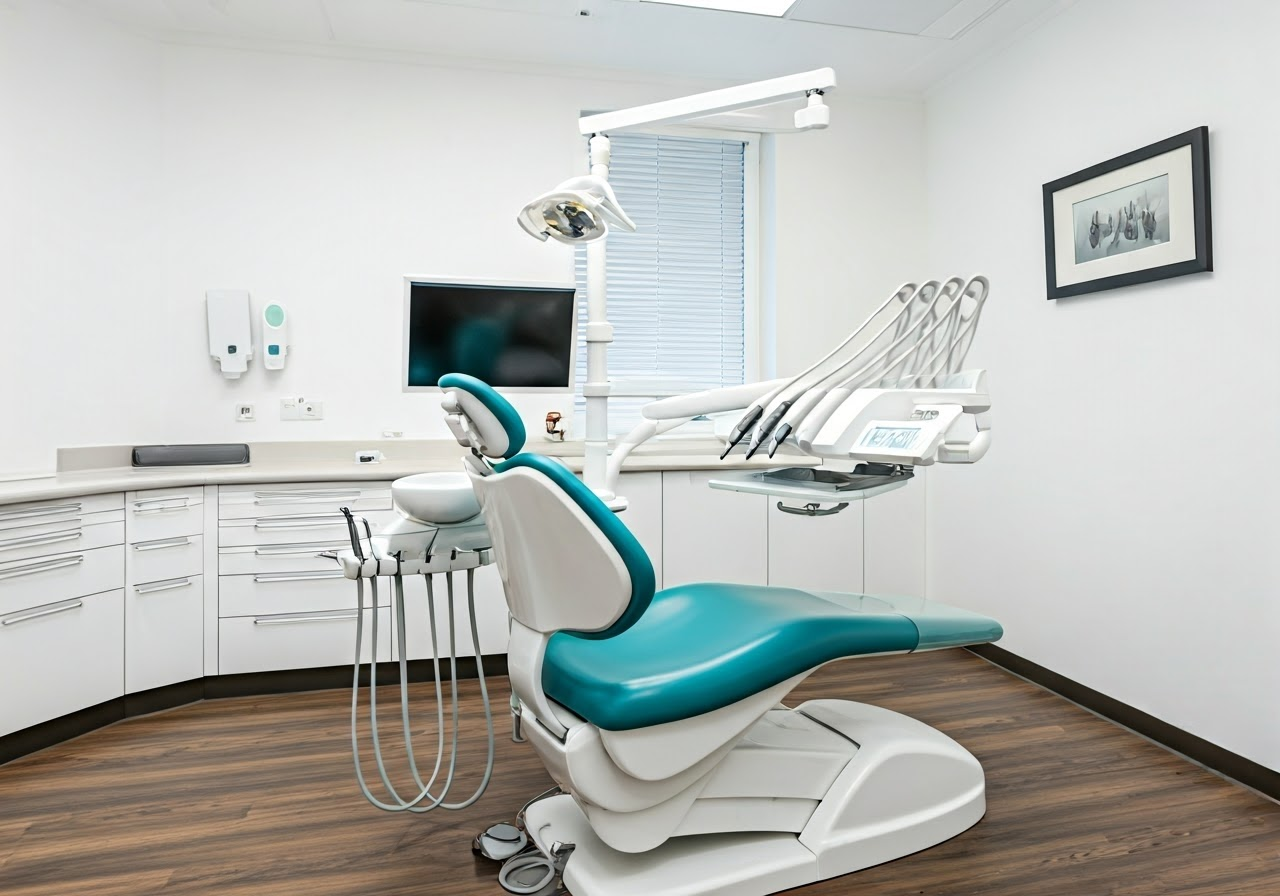
The experience patients have after the waiting room is important for their comfort and how they feel about their care. Make sure your treatment rooms are clean and neat. They should also have the newest dental technology.
To help patients feel calm, use soothing music or nature sounds. You could also add aromatherapy diffusers with scents like lavender or chamomile. This will make it easier for patients to relax.
Integrating Cutting-Edge Dental Technology
Integrating modern dental technology into your treatment room can impress patients. It also shows that you care about providing top-quality care. Tools like digital X-rays, intraoral cameras, and 3D scanners help you diagnose better. They also make it easier for patients to understand their treatments and agree to them.
Using pain-free methods for delivering anesthetics, like computer-controlled devices, shows you care about patient comfort. These new tools reduce pain during injections. This makes visits to the dentist more enjoyable.
By using these new technologies, you give patients a more comfortable, effective, and less invasive experience. This helps your practice stand out and increases patient satisfaction.
Comfort Enhancements in Dental Procedures
Consider providing items like blankets, pillows, and noise-canceling headphones to help patients feel comfortable during longer procedures. These small things show that you care about their well-being. You want to make their experience relaxed and enjoyable.
Showing empathy is important. It helps build trust with patients. Make sure to listen to their concerns attentively, explain procedures simply, and address any fears they might have.
When you create a caring and understanding atmosphere, you can change what many see as a scary experience into a more positive and manageable one for your patients.
Effective Communication Strategies
Clear and effective communication is very important for creating good relationships with patients and making sure they follow treatment plans. Educate patients about their dental health in simple terms. Avoid using complicated language.
Encourage patients to talk openly. Make sure they have enough time to ask questions and share their worries, especially if it has been a long time since their last visit. This kind of communication builds trust, helps them understand their treatment better, and allows patients to make informed choices.
Educating Patients About Treatment Options
Take the time to explain each treatment option well, including the various restorations available. Highlight the benefits, risks, and expected results. Using visual aids, like intraoral cameras and digital imaging, can help patients understand better and accept the treatment.
Involving patients in decision-making gives them power to choose the best treatment for their needs and lifestyle. Offer flexible payment options, such as looking into dental plan coverage and financing choices. This makes good dental care available to more patients, allowing them to spend less time worrying about costs.
Remember, an informed patient is more likely to feel confident in their treatment choices and committed to their long-term dental care.
Regular Updates During Treatments
Keeping patients in the loop during their treatment is very important. It helps build trust and lowers anxiety. Make sure to give regular updates on how procedures are going, what to expect, and any aftercare instructions.
Use different ways to communicate, like phone calls, emails, and text messages, to meet patients’ needs. Think about sending personalized messages after treatments. These can include aftercare instructions and answers to common questions.
Regular communication boosts patient satisfaction. It also shows your dedication to giving great care, even after they leave the dental chair.
Post-Treatment Care and Follow-Up
Post-treatment care is very important for making sure that treatment works well and building lasting relationships with patients. Follow-up calls show you care about their health and give them a chance to ask any questions.
Offer clear instructions on post-treatment care. This should include hygiene practices for the mouth, dietary tips, and any follow-up appointments needed. Patients are more likely to stick to these guidelines when they feel supported and well-informed.
Follow-Up Calls for Personal Touch
A simple phone call can show how much you care about patients and help boost their satisfaction. The office manager or a team member should call patients within 24-48 hours after their appointment. This call is to check on how they are doing and to see if they have any immediate concerns.
These calls let you learn about patient satisfaction. You can find out if they were comfortable during their visit and if they are happy with their treatment. This useful feedback helps improve your services and make sure you are always meeting patient expectations.
Follow-up calls also remind patients to book their next cleaning or follow-up appointment. This promotes ongoing care and supports good dental health over time.
Easy Access to Post-Care Instructions
In addition to verbal instructions, provide patients with easy access to written post-care guidelines. Email or text patients a link to downloadable resources on your website or create printable handouts that they can take home.
These resources should outline essential information, such as recommended oral hygiene practices, dietary restrictions, and potential complications to watch for. Include contact information for your office in case patients have any questions or concerns after they leave.
Consider creating a comprehensive post-care guide organized by procedure type:
|
Procedure |
Post-Care Instructions |
|---|---|
|
Dental Filling |
Avoid chewing on the treated area for 24 hours. Brush and floss as usual. |
|
Teeth Whitening |
Avoid consuming staining foods and beverages for 48 hours. Use a sensitivity toothpaste if needed. |
|
Dental Crown |
Practice gentle brushing and flossing around the crown. Schedule a follow-up appointment within two weeks. |
Conclusion
In conclusion, making the dental patient experience better is about more than just great clinical care. It is about building a welcoming environment that focuses on patient comfort and happiness at every step. From the time a patient enters the reception area, friendly greetings create a warm atmosphere. Using efficient systems for check-in and scheduling helps to lessen anxiety and reduce wait times. Also, using the latest technology during treatments ensures safety and comfort.
Good communication is essential. Teaching patients about their treatment options and keeping them updated during procedures builds trust and helps the patient feel more informed. After treatment, follow-ups and easy care instructions give patients the guidance they need once they leave your practice.
By using these ideas, dental office practices can greatly improve the patient experience. This leads to happier patients, loyal clients, and positive referrals. Remember, every little detail matters in leaving a good impression. Putting effort into your patients’ experiences not only improves their well-being but also enhances the reputation of your practice. If you want to change your dental office practice and create unforgettable patient experiences, start today!
Frequently Asked Questions
What measures can be taken to reduce patient anxiety?
Creating a calm waiting room is important. You can provide distractions like magazines or TVs. Dental practices can also use empathy to understand patient worries. This approach can reduce anxiety and help patients feel more comfortable.
How can technology improve patient comfort during treatments?
Using tools like digital scanners, pain-free injections, and fun entertainment in the treatment room makes dental care more comfortable. This approach improves patient satisfaction and helps them feel better during their visit.