Key Highlights
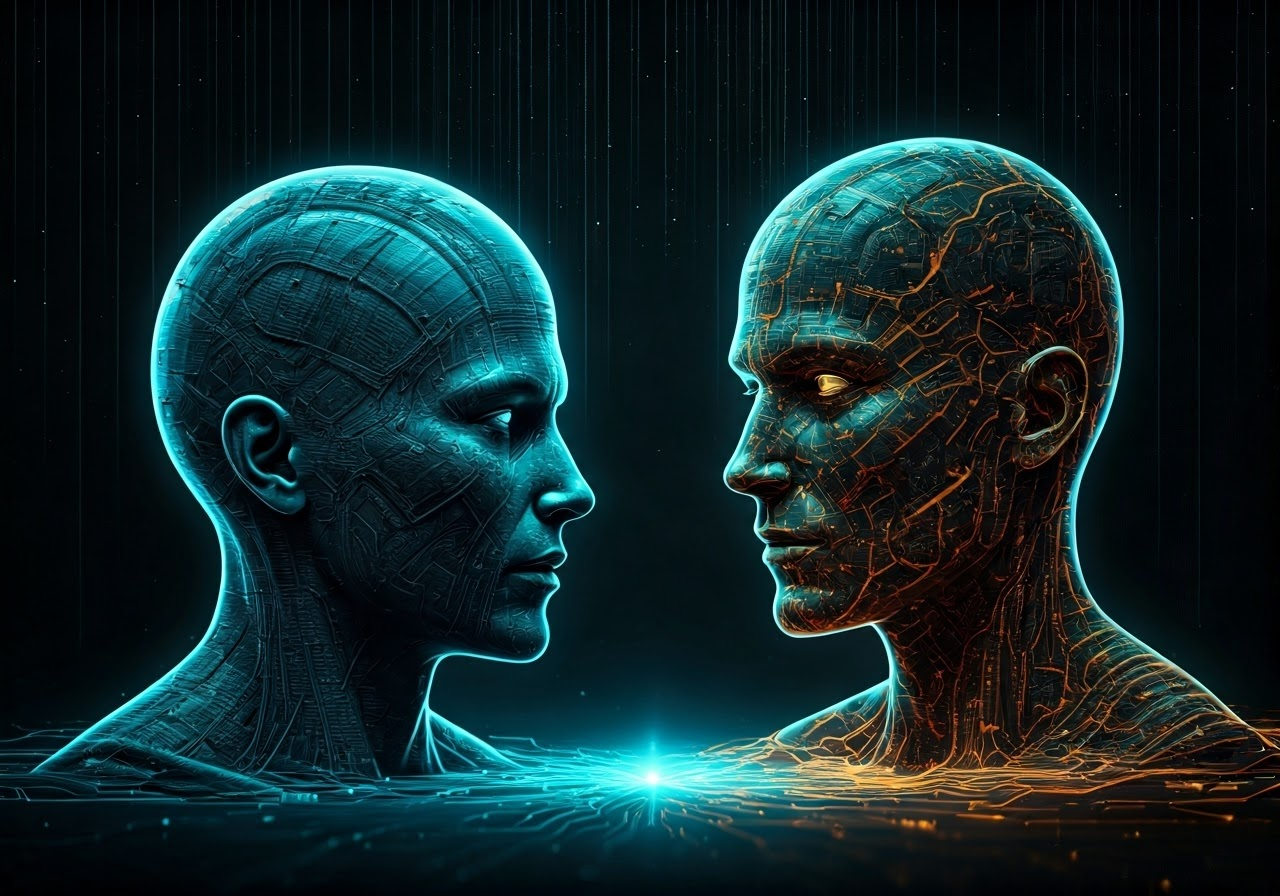
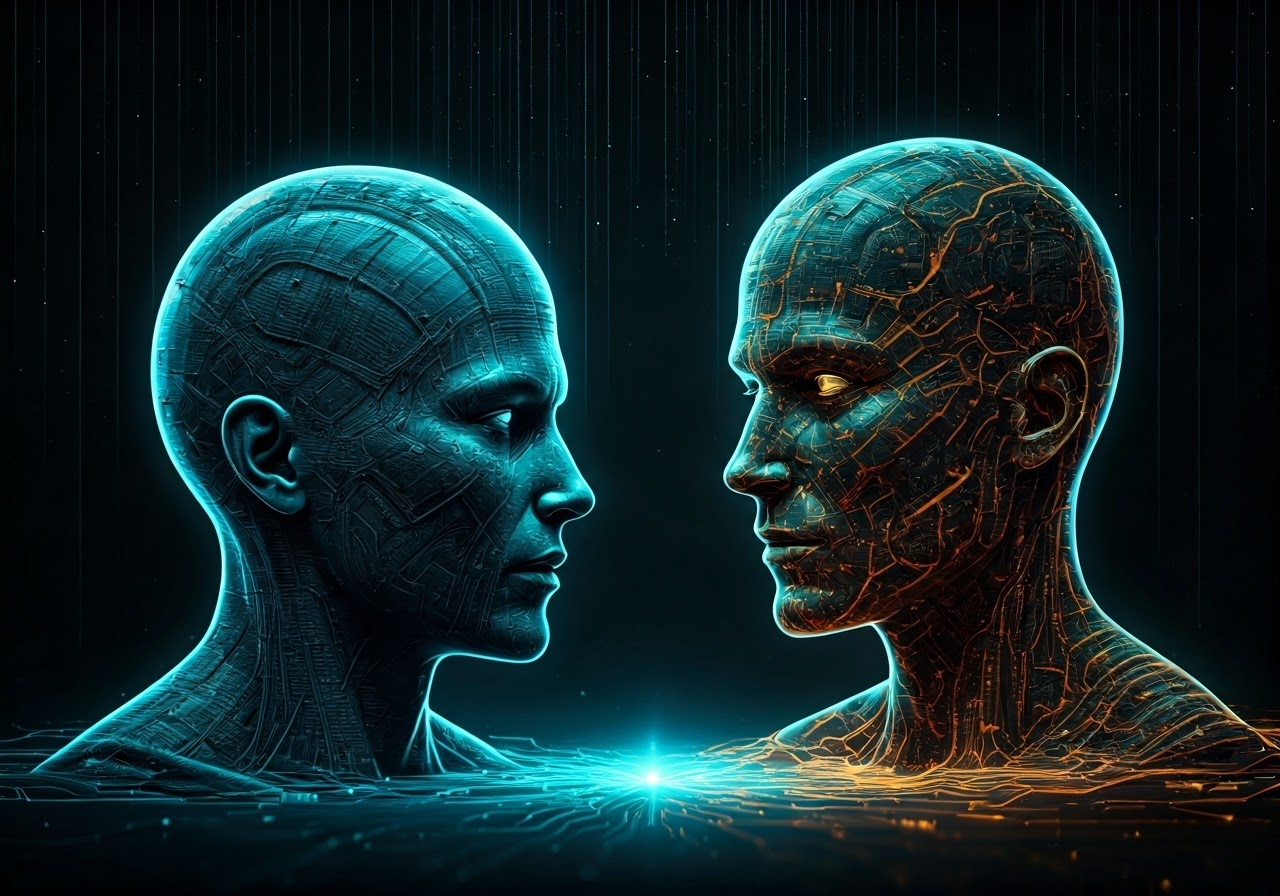
- This blog post compares Deepseek and ChatGPT, two leading AI models, across various parameters such as architecture, performance, and real-world applications.
- It evaluates their strengths and weaknesses in tasks like content creation, coding, and answering academic questions.
- The blog post highlights Deepseek’s efficiency, logical structuring, and domain-specific prowess, while acknowledging ChatGPT’s versatility and user-friendliness.
- It provides a detailed feature comparison, focusing on aspects like cost-effectiveness, customization, ethical considerations, and real-world use cases.
- The blog post concludes by recommending Deepseek for technical tasks and ChatGPT for general knowledge and creative endeavors, emphasizing the importance of choosing the right AI tool for specific needs.
Introduction
The realm of artificial intelligence (AI) is witnessing a constant evolution of AI models vying for dominance in content creation and beyond. This comparative analysis aims to explore the capabilities of Deepseek and ChatGPT, two prominent AI models, to determine the superior choice based on their strengths and weaknesses across various tasks. By examining their architectures, performance benchmarks, and real-world applications, this blog post provides a comprehensive understanding of how these AI models stack up against each other.
Evaluating the AI Giants: Deepseek and ChatGPT

Deepseek and ChatGPT have emerged as frontrunners in the rapidly advancing field of AI. Deepseek, leveraging its open-source nature and efficient Mixture-of-Experts architecture, has garnered acclaim for its technical prowess and cost-effectiveness. On the other hand, ChatGPT, developed by OpenAI, has gained significant traction due to its versatility, user-friendliness, and a robust API that facilitates seamless integration into various workflows.
Choosing between these AI powerhouses requires careful consideration of specific needs and priorities. Are you seeking an AI tool for specialized technical tasks that demand precision and speed? Or do you prioritize a more general-purpose AI assistant capable of handling creative writing, customer service, and tasks spanning different domains? This detailed comparison aims to provide clarity and guidance in selecting the right AI model for your unique requirements.
Overview of Deepseek’s Unique Capabilities
Deepseek has rapidly gained recognition as a powerful AI tool specifically designed to address the growing demand for efficient and accurate solutions in specialized domains. Its Mixture-of-Experts (MoE) architecture sets it apart by enabling the model to activate only the most relevant parameters for a given task, optimizing resource allocation and processing speed.
Deepseek’s strength lies in its ability to excel at specific needs. Whether it’s solving complex mathematical problems, generating highly optimized code, or providing concise, factual responses to technical queries, Deepseek’s focus on accuracy and efficiency makes it a top contender for professionals in STEM fields.
For those seeking an open-source AI tool that offers transparency, customizability, and a greater degree of control over their data, Deepseek presents a compelling alternative to closed-source models. Its open architecture fosters collaboration, allowing developers to fine-tune the model for specific applications and integrate it seamlessly into existing workflows.
ChatGPT’s Position in Today’s AI Landscape
ChatGPT has secured its position as a prominent AI chatbot, captivating users with its ability to engage in human-like conversations and generate impressive creative text formats, ranging from poems and code to scripts, musical pieces, email, letters, etc. Its strength lies in its versatility, making it a valuable tool for a wide range of applications, from drafting emails and writing creative content to answering questions based on vast general knowledge.
Developed by OpenAI, ChatGPT has garnered attention for its ability to adapt to different writing styles and tones, making its output feel more human and engaging. While not specifically designed to solve complex mathematical problems or generate highly technical documentation, ChatGPT compensates for its lack of hyperspecialization with breadth and accessibility.
ChatGPT’s user-friendly interface makes it suitable for a broad audience, from students and educators exploring the capabilities of AI to marketers and content creators seeking to automate tasks and enhance their writing process.
Breaking Down the Tech: Model Architecture and Design
Understanding the architectural differences between Deepseek and ChatGPT is essential for appreciating their strengths and limitations. Deepseek utilizes a Mixture-of-Experts (MoE) approach, akin to a team of specialized experts where only the relevant ones are activated for a given task, enabling remarkable efficiency. ChatGPT, on the other hand, relies on a transformer model known for its consistency across different tasks, though potentially at the cost of efficiency for highly specialized queries.
This difference in design philosophies underpins the core strengths of each AI model. Deepseek excels in providing accurate and quick responses for technical tasks, particularly within its domain of expertise. ChatGPT’s strength lies in its ability to engage in conversations, generate creative content, and deliver insightful responses across a wider range of topics, catering to a broader user base.
The Technical Underpinnings of Deepseek
Deepseek stands out in the AI landscape due to its unique architecture and focus on optimizing performance for technical tasks. Unlike traditional monolithic AI models, Deepseek leverages a Mixture-of-Experts (MoE) approach, distributing its vast knowledge base across a network of specialized modules.
This modular design empowers Deepseek to dynamically allocate resources, activating only the most relevant experts for a particular query or task. This results in significantly faster processing speeds and a more efficient use of computational power, making it an ideal AI model for applications where speed and accuracy are critical.
Deepseek’s true strength lies in its capability to tackle a wide array of technical tasks with remarkable accuracy. Whether it’s solving intricate mathematical equations, writing efficient code, or delving into complex research papers for specific insights, Deepseek demonstrates a consistently high level of performance.
ChatGPT’s Algorithmic Framework
Built upon the foundation of the Generative Pre-trained Transformer architecture, ChatGPT represents a significant advancement in machine learning, showcasing the power of AI in natural language processing. Trained on a massive dataset of text and code, ChatGPT demonstrates a remarkable ability to understand and generate human-like text in response to a wide range of prompts and questions.
What sets ChatGPT apart is its conversational prowess. It can comprehend context, recognize patterns in language, and generate coherent, contextually relevant responses that go beyond simple one-liners. From crafting engaging stories to providing insightful summaries of factual topics, ChatGPT excels in tasks that require a strong grasp of human language.
While ChatGPT may not be specifically designed to be a coding assistant, its ability to generate code suggestions, provide explanations of programming concepts, and translate natural language descriptions into functional code snippets makes it a valuable tool for programmers of all levels.
Performance Showdown: Task-Specific Comparisons
When it comes to specific tasks, both Deepseek and ChatGPT have their own strengths. Deepseek showcases remarkable accuracy in technical domains, particularly in mathematics and coding challenges, often outperforming its counterparts. ChatGPT, on the other hand, shines in tasks requiring a more nuanced understanding of context and human language, excelling in creative writing and general knowledge queries.
This performance disparity stems from the fundamental differences in their architectural designs and training datasets. Deepseek’s focus on technical tasks is apparent in its superior performance in areas like code generation and scientific calculations. In contrast, ChatGPT’s training on a diverse dataset of text and code enables it to handle a broader spectrum of tasks, albeit with varying degrees of accuracy.
Language Processing and Writing Assistance
In the realm of language processing and writing assistance, both Deepseek and ChatGPT showcase distinct strengths. ChatGPT excels in tasks that demand creativity and a natural flow of language. Its training on a vast corpus of text enables it to generate compelling narratives, engaging dialogue, and captivating marketing copy. This makes it a valuable tool for content creation, aiding writers in overcoming writer’s block and exploring new creative directions.
Deepseek, though not designed primarily for creative writing, displays a commendable ability to generate clear, concise, and informative content. Its strength lies in producing structured outputs like reports, summaries, and technical documentation, where clarity and factuality take precedence over stylistic flair.
Ultimately, the choice between Deepseek and ChatGPT for writing assistance hinges on the specific requirements of the task. For creative endeavors that prioritize a more conversational and engaging tone, ChatGPT emerges as the stronger contender. However, if the objective is to generate well-structured, informative content with a strong focus on accuracy and clarity, Deepseek proves to be a reliable choice.
Handling Complex Coding Challenges
When faced with complex coding challenges, Deepseek truly shines, offering developers a potent combination of code suggestions, debugging assistance, and the ability to understand and translate natural language instructions into executable code. Its open-source nature allows for customization and integration into various development environments, empowering programmers to tailor Deepseek’s capabilities to their specific project needs.
Deepseek’s aptitude for technical tasks is rooted in its efficient Mixture-of-Experts architecture, which enables it to swiftly analyze complex code structures, identify potential errors, and propose optimized solutions. Its ability to handle a wide range of programming languages makes it a versatile tool for developers working on diverse projects.
Furthermore, Deepseek’s open-source framework fosters a collaborative environment, allowing developers to contribute to its ongoing development, share custom models, and benefit from the collective knowledge of the community. This makes it a valuable asset not just for individual programmers but for teams looking to enhance their coding workflows and accelerate their software development cycles.
User Experience: Accessibility, Cost, and Customization
Navigating the user experience of Deepseek and ChatGPT unveils key differences in accessibility, cost, and customization options. Deepseek, with its open-source nature, provides free access and extensive customization options, albeit with a steeper learning curve that might require technical proficiency. ChatGPT, on the other hand, offers a more user-friendly interface, appealing to a wider user base, including those new to AI tools.
However, ChatGPT operates on a freemium model, meaning access to its full range of features often requires a subscription. The choice between Deepseek and ChatGPT, therefore, depends on your budget constraints, technical expertise, and the level of customization needed for your specific use case.
Evaluating the User Interface and Accessibility
The user interface and accessibility of an AI tool significantly influence its adoption and usability across different user groups. ChatGPT has gained significant popularity due to its intuitive user interface, designed with a focus on user-friendliness and ease of interaction. Even those with minimal technical experience can easily navigate its interface, input prompts, and receive human-like responses.
Deepseek, with its open-source nature, offers unparalleled customization options, allowing developers to tailor the AI tool to their specific needs. However, this level of customization comes at the cost of complexity, as its interface may appear less intuitive to users accustomed to more streamlined consumer-oriented AI applications.
Selecting the right tool depends on the user’s priorities and technical skills. If ease of use and a smooth user experience are paramount, ChatGPT is the superior choice. However, if a higher degree of customization and the ability to tweak the AI tool’s functionality are necessary, Deepseek, despite its steeper learning curve, offers unmatched flexibility.
Cost Analysis for Businesses and Individuals
When considering AI tools for business or personal use, cost efficiency plays a crucial role in the decision-making process. Deepseek, being an open-source AI tool, offers a significant advantage in terms of cost efficiency. Its free availability removes the financial barrier to entry, enabling businesses and individuals to experiment with AI capabilities without incurring substantial upfront costs.
ChatGPT, operating under a freemium business model, provides free access with certain limitations. While this allows users to experience its basic functionality, unlocking its full potential often requires subscribing to a paid plan.
Therefore, for budget-conscious individuals or businesses seeking to incorporate AI capabilities without significant financial investment, Deepseek emerges as the more attractive option. However, those willing to invest in a premium AI tool with comprehensive features and consistent performance may find ChatGPT’s subscription-based model more suitable.
Ethical and Privacy Considerations in AI Tools
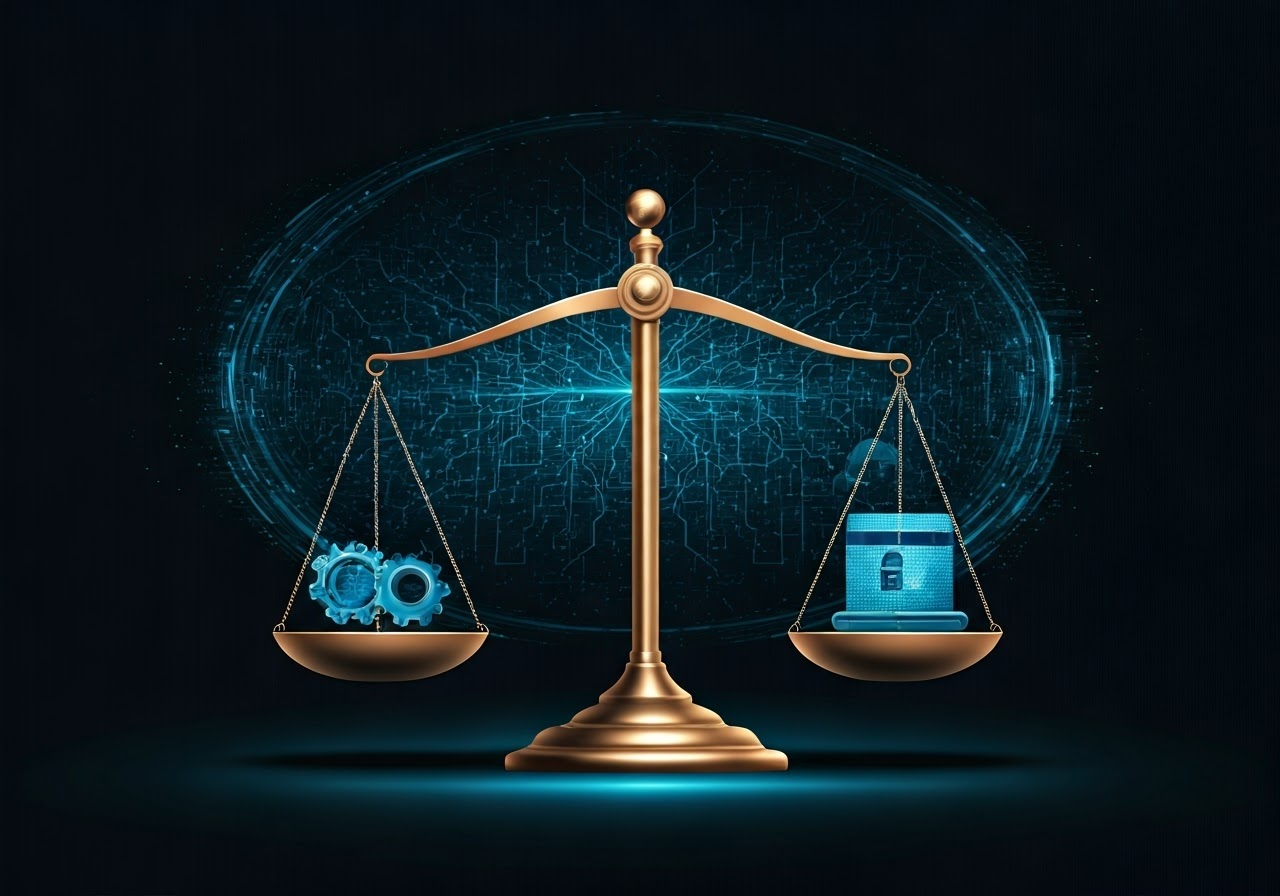
As AI tools become increasingly sophisticated, it’s crucial to address the ethical and privacy considerations surrounding their use. Deepseek, while lauded for its technical capabilities, has faced scrutiny regarding its data handling practices and potential biases in certain sensitive areas. This has raised important questions about its suitability for applications involving personal or sensitive data, particularly in regulated industries.
ChatGPT, on the other hand, benefits from OpenAI’s strong focus on ethical AI development, with safeguards in place to mitigate bias, ensure data security, and promote responsible AI use.
Data Handling and Privacy Policies of Deepseek
Deepseek’s open-source nature, while offering flexibility and customization, raises important concerns regarding data security and privacy policies. As an open-source project, the responsibility of data handling often falls on the end-user or the entity deploying the AI model. This can lead to inconsistencies in data security practices, particularly if the user lacks expertise in data protection protocols.
Furthermore, the decentralized nature of open-source projects makes it challenging to establish universal privacy policies. Users must exercise caution and thoroughly understand the specific data handling practices of the Deepseek implementation they are using.
It is crucial to note that Deepseek’s development community is actively working towards addressing data security and privacy concerns. As the platform matures and gains wider adoption, establishing robust data governance frameworks and adhering to industry-standard privacy regulations will be crucial for building trust and ensuring responsible AI deployment.
ChatGPT’s Approach to Ethical AI Practices
OpenAI, the organization behind ChatGPT, has placed a strong emphasis on ethical AI practices and data security from the outset. Recognizing the potential impact of AI on society, OpenAI has implemented safeguards to mitigate bias in training data, promote transparency in its algorithms, and ensure responsible use of its technology.
ChatGPT’s development process incorporates measures to identify and address potential biases in its training datasets. This is particularly crucial as AI models, if trained on biased data, can perpetuate and even amplify existing societal prejudices. OpenAI’s commitment to transparency is reflected in its efforts to educate users about the capabilities and limitations of ChatGPT, fostering realistic expectations and promoting ethical AI use.
Additionally, ChatGPT benefits from OpenAI’s robust data security infrastructure, which includes measures to protect user data, prevent unauthorized access, and ensure compliance with data privacy regulations.
Testimonials and Case Studies: Real-World Applications
Real-world applications and success stories from users provide valuable insights into the practical capabilities and limitations of Deepseek and ChatGPT. Deepseek has garnered positive feedback from developers and researchers for its speed, efficiency, and ability to handle complex technical tasks, particularly in fields like software development, data analysis, and scientific research. ChatGPT, known for its versatility and ease of use, has found widespread adoption in industries such as customer service, content creation, and education.
Examples of Deepseek’s effectiveness often highlight its ability to automate repetitive coding tasks, analyze large datasets rapidly, and assist in solving intricate mathematical problems. ChatGPT’s success stories frequently revolve around its capacity to enhance customer interactions through chatbot integration, generate creative content for marketing campaigns, and assist educators in creating engaging learning materials.
Success Stories from Deepseek Users
Deepseek’s impact is increasingly evident in a variety of real-world applications, demonstrating its versatility and ability to solve practical problems. Researchers in fields such as bioinformatics and computational biology have leveraged Deepseek to analyze vast genomic datasets, accelerating the discovery of genetic markers for diseases and aiding in the development of personalized medicine approaches.
Software developers have found Deepseek to be an invaluable tool for automating code reviews, identifying potential bugs, and optimizing code for efficiency. Its ability to comprehend and translate natural language descriptions into code snippets has streamlined workflows and allowed developers to focus on higher-level tasks.
Deepseek’s accessibility and open-source nature have fostered a community of users who actively contribute to its development and share their custom models, further expanding its capabilities and real-world applications. As more organizations and individuals recognize its potential, Deepseek is poised to revolutionize industries reliant on complex data processing and technical problem-solving.
ChatGPT’s Impact on Different Industries
ChatGPT’s versatility and impressive natural language processing capabilities have led to its rapid adoption across diverse industries, transforming how businesses interact with customers and streamlining numerous internal workflows. In customer service, ChatGPT powers intelligent chatbots that provide instant support, answer frequently asked questions, and resolve issues efficiently, freeing up human agents to handle more complex inquiries.
Marketing and content creation have witnessed a significant shift with ChatGPT’s ability to generate engaging social media posts, craft compelling website copy, and even assist in drafting creative scripts and blog posts. Its capacity to adapt to different writing styles makes it a valuable tool for marketers seeking to personalize content and tailor their message to specific target audiences.
Furthermore, ChatGPT has proven to be a valuable asset in educational settings, providing personalized learning experiences, assisting students with writing assignments, and offering instant feedback on their work. Its ability to simplify complex concepts and present information in an engaging manner has the potential to revolutionize how students learn.
Maximizing Efficiency with AI tools
Maximizing efficiency with AI tools such as Deepseek and ChatGPT involves strategically leveraging their unique capabilities to streamline workflows and enhance productivity. Deepseek’s specialized architecture allows it to perform complex technical tasks at remarkable speeds, making it indispensable for professionals in fields like software development and scientific research. By automating repetitive coding tasks or quickly analyzing large datasets, users can save significant time and focus on higher-level problem-solving. Conversely, ChatGPT excels in creative applications, offering a user-friendly interface that enables content creators to generate engaging narratives, marketing copy, and customer interactions effortlessly. The integration of AI tools into daily operations not only fosters a more efficient working environment but also empowers users to push the boundaries of innovation by harnessing the strengths of each model tailored to their specific needs. As these tools continue to evolve, the potential for maximizing efficiency will expand, paving the way for unparalleled advancements across various industries.
Collaborating with AI: Using Deepseek and ChatGPT Together
When it comes to enhancing productivity and creativity, collaborating with AI tools like Deepseek and ChatGPT can yield remarkable results. Each of these platforms brings its unique strengths to the table: Deepseek excels in data retrieval and contextual analysis, enabling users to extract specific information quickly and efficiently. Meanwhile, ChatGPT shines in generating natural language responses, making it ideal for brainstorming and drafting content. By leveraging the strengths of both tools, users can create a seamless workflow; for instance, one might use Deepseek to gather relevant data or insights on a topic and then turn to ChatGPT for assistance in formulating ideas and articulating them in a coherent narrative. This synergistic approach not only saves time but also enriches the final output, allowing users to produce well-informed and creatively crafted content. Whether you are working on a research project, a marketing campaign, or just exploring new ideas, utilizing Deepseek and ChatGPT together can elevate your work to new heights, providing a powerful combination of precision and creativity.
Conclusion
Skin pH is a crucial aspect of skincare that can be influenced by various factors. Maintaining the right balance is essential for healthy and radiant skin. By understanding the impact of pH levels on your skin, you can make informed choices about skincare products and routines. Remember, your skin is unique, and so should be your approach towards caring for it. If you’re unsure about the best practices for balancing your skin’s pH, consider scheduling a free consultation with our experts today. Start your journey towards healthier skin by taking the first step towards understanding and nurturing your skin’s pH balance.
Frequently Asked Questions
How does Deepseek’s AI technology differ from ChatGPT’s?
Deepseek and ChatGPT differ fundamentally in their underlying AI technology. Deepseek utilizes a Mixture-of-Experts approach, enabling efficient handling of specific tasks, while ChatGPT relies on a transformer model, offering versatility across various domains.
Can Deepseek handle tasks better than ChatGPT in certain domains?
Yes, Deepseek typically outperforms ChatGPT in specific, technically demanding domains. Its specialized architecture excels in tasks like complex mathematical calculations, code generation, and scientific analysis, showcasing superior performance in these areas.
What are the pricing models for Deepseek versus ChatGPT?
Deepseek, being open-source, is generally free to use, offering excellent cost efficiency. ChatGPT, on the other hand, operates on a freemium business model, with limited free access and paid subscription plans for full functionality.
Which AI model offers better support for creative tasks?
ChatGPT is considered the superior AI model for creative tasks, thanks to its advanced natural language processing capabilities and training on a diverse dataset of text and code.
Are there any concerns regarding data security with Deepseek and ChatGPT?
Data security concerns exist for both models. Deepseek’s open-source nature raises questions about data handling practices, while ChatGPT has faced scrutiny over its data collection and storage policies. Both platforms are continuously working to enhance data security and privacy measures.