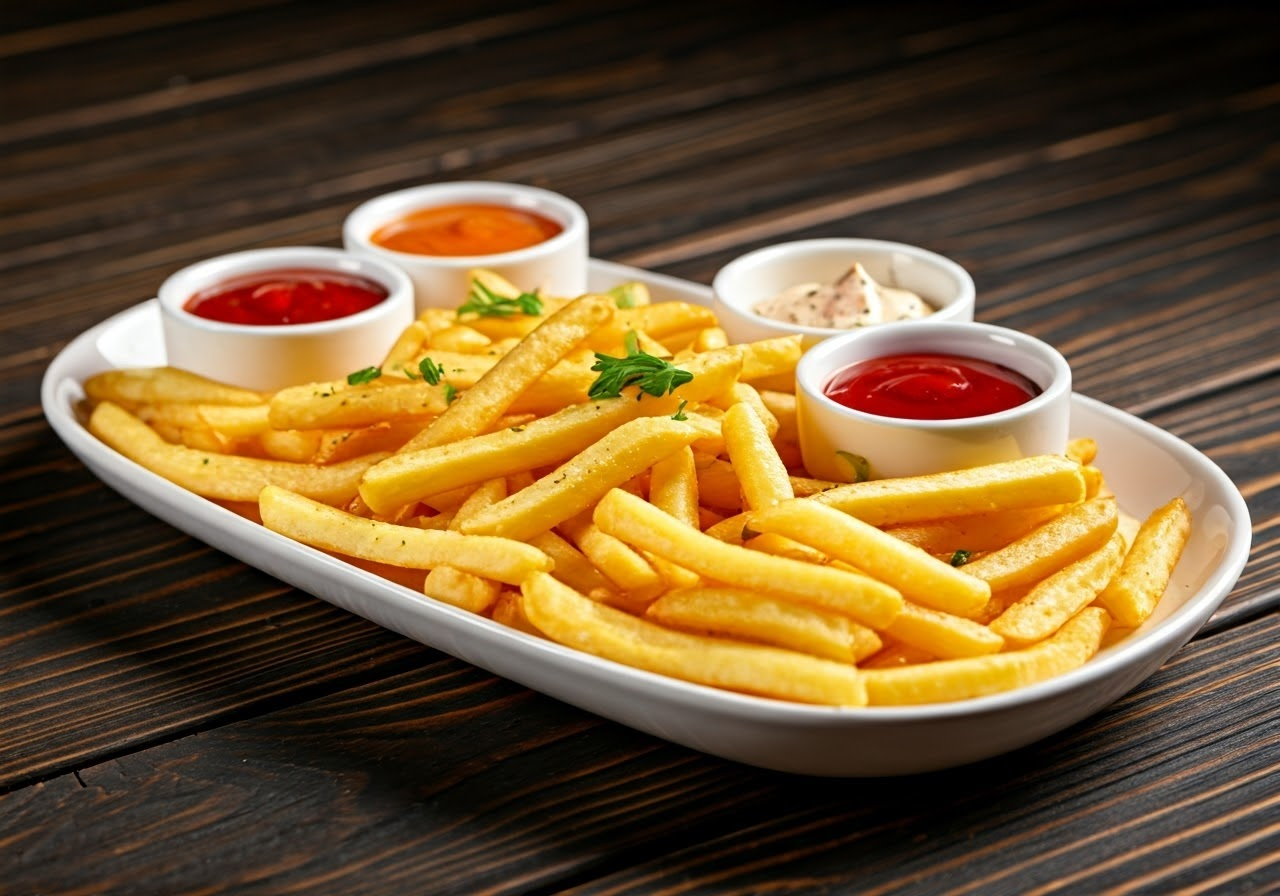
Key Highlights
- Discover how to make homemade French fries that are crispy on the outside and fluffy on the inside using the perfect French fries recipe.
- Learn about selecting the ideal potato varieties, such as russet and sweet potatoes, for best results.
- Understand the importance of proper cutting techniques, soaking potatoes in cold water, and drying thoroughly to remove excess starch.
- Master the double fry method and maintain the optimal frying temperature to achieve crispy fries.
- Explore creative ways to season your fries and try healthier alternatives like air-frying or baking.
- Uncover exciting Indian regional variations of French fries, including Masala and Chaat-style, for a flavorful twist.
Introduction
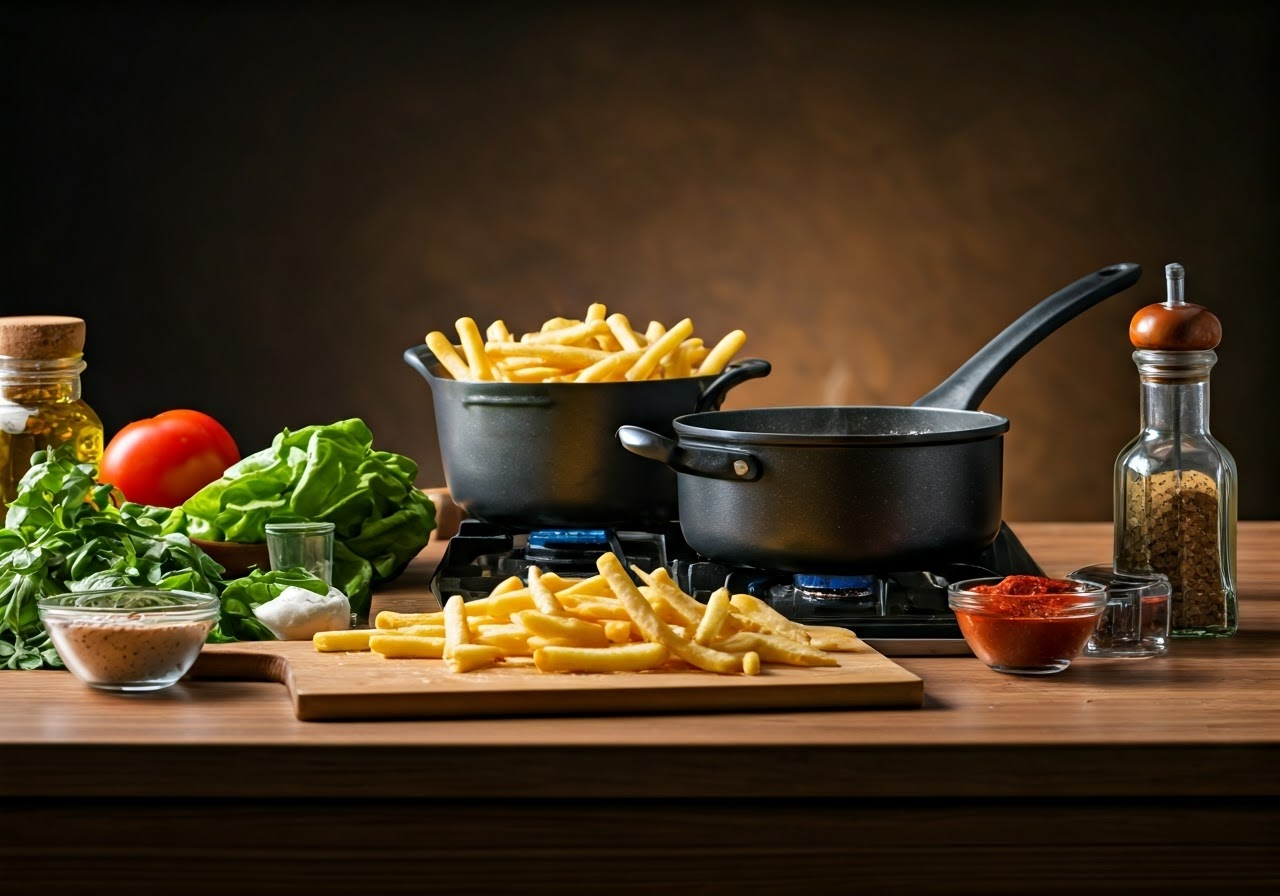
There’s nothing like homemade French fries. They are crispy and golden on the outside, while being soft inside. With a good French fries recipe, you can make these fries better than those from fast food chains right in your own kitchen. To make perfect French fries, pay attention to details. Choose the right potatoes, soak them as needed, and use great seasoning techniques. By using these tips, you will have the best batch of tasty finger chips that beats any restaurant fries.
Top 10 Secrets to Crafting Perfect French Fries
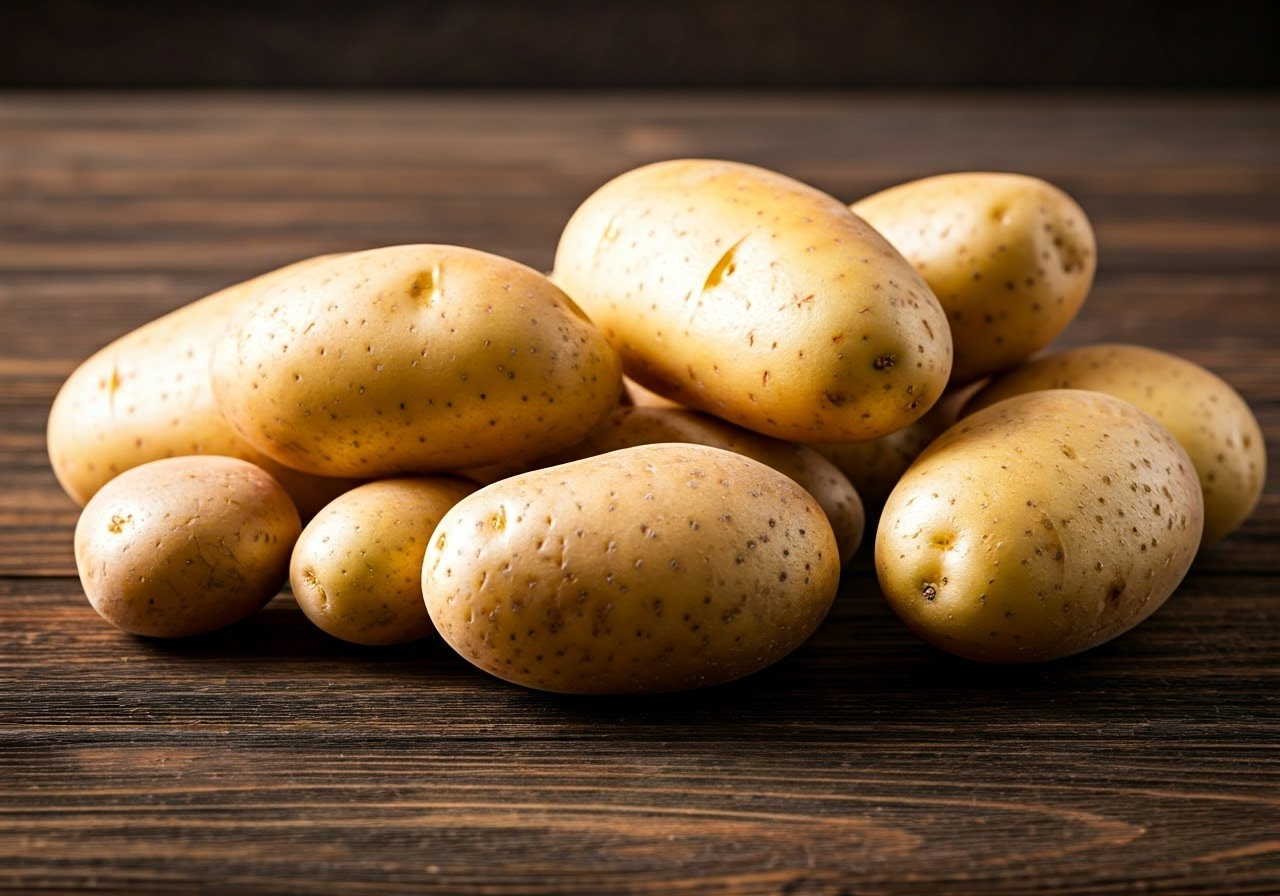
Making perfect fries might look hard, but you can easily learn the secrets. Start by picking the right kind of potatoes. Double frying is also important to get that crunchy texture. Every part of the process matters. It’s not just about how you cut and fry the fries. You need to know how to control the temperature, remove starch, and use good seasoning.
By mixing old-fashioned methods with simple tips, you can make fries that everyone loves. Keep reading to learn the key techniques that change regular potatoes into tasty, crispy batches of fries.
Secret 1: Choosing the Right Potato Variety
Not all potatoes are the same, especially for making French fries. If you want the crispiest results, choose russet potatoes. They are high in starch and low in moisture, which makes fries crunchy on the outside and light on the inside. Idaho potatoes are also good choices for this reason.
Sweet potatoes are a healthier option, and they add a touch of natural sweetness. They are great for baked fries and offer a colorful twist on the classic method. Try to avoid waxy new potatoes. They don’t have enough starch, which means they won’t be as crispy.
Picking the right potato is key for making fries that taste like they come from a restaurant. After that, the next step is learning cutting techniques. Those techniques will greatly change the shape of your fries.
Secret 2: Cutting Techniques for the Ideal Fry Shape
Proper cutting techniques are important for making fries that look and taste good. Start by cutting your potatoes into sticks that are about ¼ to ⅓ inch thick. Making uniform potato sticks helps them cook evenly, especially when you fry them in batches. You can think of finger chips or classic fast food shapes as good examples.
To cut them accurately, use a sharp knife or a French fry cutter if you want to work faster. Stacking the slices when you cut them vertically can save time. Also, spreading the sticks out in a single layer stops them from sticking together and makes sure they cook evenly.
Shape is important too. Thin fries become crisp quickly, while thick fries give you a nice mix of soft and crunchy textures. After cutting them, the potato sticks need to soak to remove any excess starch before moving on to the next step.
Secret 3: The Soaking Step – Removing Excess Starch
Soaking is key if you want the best fries. After you cut your potato sticks, put them in a large bowl filled with cold water. This helps take away excess starch from the surface of the potatoes. If you don’t soak them, the fries might stick together or become soggy.
You can add ice cubes to the water. This keeps the sticks chilled and helps improve their texture when frying. Soak the potatoes for 30 minutes to 2 hours in the refrigerator for the best results. After soaking, drain and rinse the potatoes with clean, cold water.
This step gives you a crispy outer layer and keeps the inside soft. Now your fries are ready for the next step: drying them completely.
Secret 4: Drying Thoroughly Before Frying
Before frying, it’s important to dry your potatoes well. This prevents oil splatter and helps make crispy fries. You can use paper towels or a clean kitchen cloth to wipe the surface of the potatoes carefully. It’s essential to remove extra water. Moisture can cause soft textures and safety issues while frying.
Put the dried potato sticks on a tray to air dry. Be sure they don’t sit out for too long to keep them fresh. Drying is the next step that works well with both soaking and frying.
Getting ready is key for perfect fries. With less moisture, your fries are set for the double fry method, which will make them crispy.
Secret 5: The Double Fry Method for Crispiness
Double frying is the trick to making crispy French fries. For the first fry, heat the oil to about 300°F. Carefully drop the potato sticks in, one batch at a time. This step cooks the potatoes a bit and helps to firm up the outside.
After finishing the first fry, let the fries cool completely on wire racks. Then, it’s time for the second fry. Heat the oil to around 350°F. Fry the potato sticks again until they are golden and crunchy. The first fry sets the base, and the second makes them crispy.
To make the best fries, keep an eye on the timer and the temperature. When your fries are perfectly fried, learn how to keep the oil at the right temperature.
Secret 6: Optimal Frying Temperature
Temperature control is key when frying French fries. Use a thermometer to keep your oil between 300°F for the first fry and 350°F for the second fry. Changes in frying heat can impact how crispy your fries are and how evenly they cook.
Potatoes fried at different temperatures create better inside textures while forming a nice golden outside. To keep heat consistent, don’t overcrowd the fryer. If the fryer is too full, it can cool the oil a lot and make fries soggy.
Checking your thermometer regularly is important for perfect batches of fries. Now that the temperature is set, let’s choose the right oil for frying.
Secret 7: Using the Right Frying Oil
The type of oil you choose affects the taste and feel of your food. Neutral oils, like vegetable oil, canola oil, or peanut oil, are great for deep frying French fries. They help keep the natural flavor of the potatoes while staying stable when heated.
Make sure your oil has a high smoke point to avoid burning. Burning can change the taste of the fries. Stay away from oils with strong flavors or smells, as they can overshadow the seasoning.
Choosing the right heat-stable oils means your fries will be light and not greasy. After frying, the next tasty step is to season them.
Secret 8: Seasoning While Hot
Seasoning can make fries really special. While the fries are hot from the fryer, add spices like paprika, oregano, or just salt. This helps the seasonings stick to the fries.
You can also use shaker mixes like garlic powder, onion powder, or red chili flakes to boost the flavor. Put the fries in a large bowl and toss them around so every fry gets some seasoning.
Hot fries are like a blank slate—try making your own mix of spices for a unique touch. Don’t forget to look for fun dipping sauces and toppings to add some extra flavor.
Secret 9: Creative Dipping Sauces and Toppings
Pair your fries with classic or new dips to make them even better. Ketchup and mayonnaise are always good options. But you can also try making your own sauces with vinegar or spicy mixes.
Think about adding toppings like melted cheese, seasoning powders, or tasty dips. Some popular choices are ranch, barbecue sauce, or zesty yogurt dips. You can make enjoying fries more fun by changing up what you add to them.
Every fry deserves delicious dips and toppings to enhance its taste. Once you serve your fries, remember to store them correctly. This keeps them tasty and ready for reheating later.
Secret 10: Proper Storage for Reheating
Uneaten fries don’t need to be thrown away! You can keep leftover fries in the freezer for easy reheating. Spread them out in a single layer on a baking sheet. Freeze them for one hour, then put them in freezer-safe bags.
When you want to reheat, fry the frozen fries directly in hot oil for a nice crispy texture. You can also bake them in the oven for a healthier choice. Avoid using a microwave, as this can make the fries soggy.
Storing them this way allows you to satisfy cravings any time. Lastly, let’s learn about the science of frying for even better results.
Understanding the Science of Frying
Frying is both an art and a science. It’s important to know how moisture and heat work together. To get crispy fries, start with completely dried russet potatoes. This helps stop extra steam, which lets the surface get crispy in hot oil. Keeping the oil at about 350 to 375 degrees Fahrenheit is key for even cooking. A deep fryer or a heavy pot helps heat the oil evenly, making those golden, crispy fries you want.
Why Soaking and Drying are Crucial
Soaking russet potatoes in cold water helps get rid of excess starch. This step is important to get crispy fries. It also stops the fries from sticking together when frying. This gives them a better chance to cook evenly. After soaking, you need to dry the potato sticks very well. If they are wet, they can turn soggy in hot oil. You can use paper towels or a colander for drying. Make sure to lay them out in a single layer for the best frying results. Doing both steps will improve the texture and flavor of your fries.
The Chemistry of Crispiness in Frying
Getting that satisfying crunch in every bite comes from the special process that happens while frying. When the temperature is high, moisture leaves the surface of the potatoes. This creates a crispy outer layer while keeping the inside soft. The starches change, soaking up less oil, which helps avoid sogginess. Keeping the oil at the right temperature boosts the Maillard reaction, adding great flavor and color. Using a thermometer often helps achieve consistent results, giving you the best fries that please the taste buds. Each batch needs careful attention to time and temperature.
Healthier Alternatives to Traditional French Frying
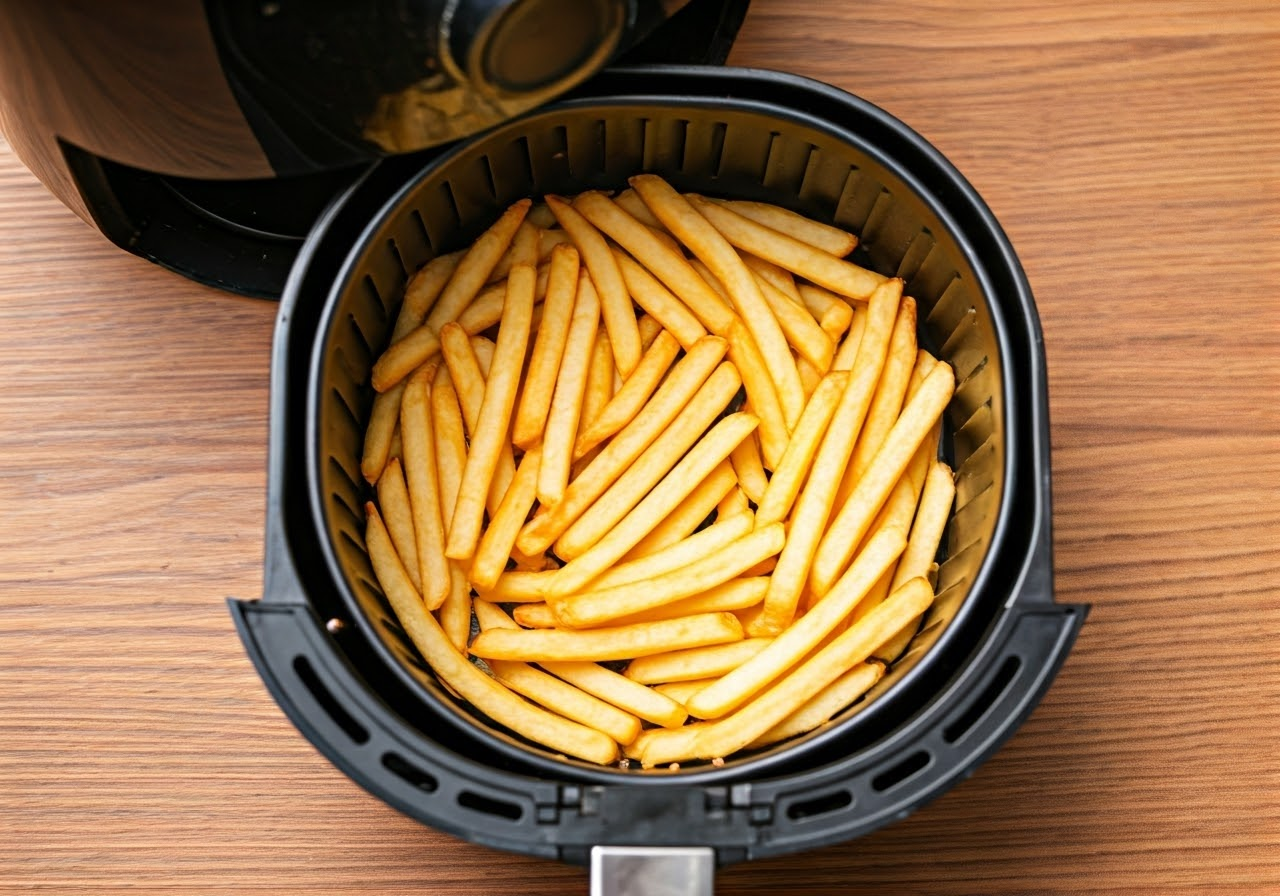
Looking for healthier ways to enjoy tasty snacks? Air fryers are great because they can make crispy fries similar to deep frying. The big difference is they use much less oil. This makes them a good choice for lighter snacks. Baking is another easy option. You can coat potato sticks with vegetable oil and spices, then roast them in the oven until they are golden brown. These methods boost flavor while keeping calories low, so you can enjoy them without the guilt.
Air Frying French Fries
Air frying gives a healthier way to cook classic french fries. It uses much less oil but still makes them crunchy. Hot air moves around the potato sticks. This helps cook them evenly, so they turn a nice golden-brown color. To get the best results, set the temperature to about 375 degrees Fahrenheit. This will make the fries crispy on the outside and soft on the inside. You can try adding spices like paprika or oregano. These can make your homemade fries taste even better compared to regular frying methods.
Baking Instead of Frying
Baking instead of frying gives you a chance to make healthier homemade fries. You can take russet or sweet potatoes, coat them lightly with vegetable oil, and sprinkle on some paprika, oregano, or red chili flakes for flavor. Place the potato sticks in a single layer on a baking sheet. This helps them cook evenly. Using a preheated oven at high temperatures will remove extra moisture. With this method, you can get crispy and tasty fries without a deep fryer. This shows that using less fat does not mean you lose out on flavor.
Regional Variations of French Fries in India
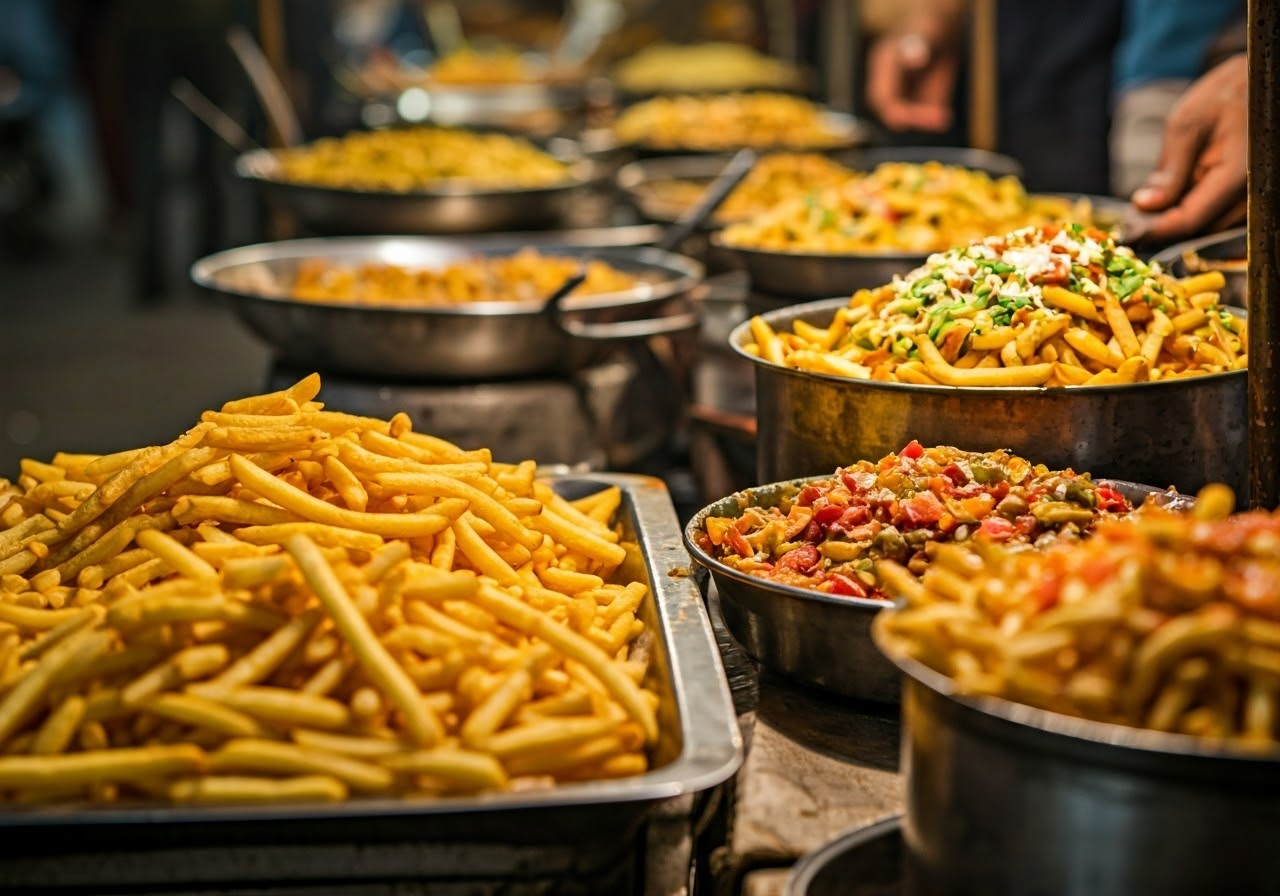
Fries in India are very unique. They mix different flavors and spices, changing the usual idea of fries into something special. Masala french fries are one tasty option. These crispy potato sticks are covered with spices like red chili flakes and oregano. This makes them a delicious snack. Chaat-style french fries go even further. They add tangy chutneys and yogurt, making the whole experience even better with bright textures and flavors. These changes show how creative Indian cooking can be. They show that homemade french fries can have many different influences.
Masala French Fries
Masala French fries are a tasty take on the classic dish. They use rich Indian spices to give a flavorful experience. First, deep fry the potato sticks until they are crispy. Then, mix them with red chili flakes, paprika, and oregano. This adds a nice kick on the surface of the potatoes. To make them even better, you can add a bit of vinegar or a dash of chaat masala. When served hot, these fries are a great starter or snack that adds an exciting flavor to your taste buds.
Chaat Style French Fries
Get ready for a burst of flavors with chaat style fries. This is a fun take on the usual French fry recipe. These crispy potato sticks are often topped with tangy yogurt and rich tamarind chutney. They also get a sprinkle of spices like red chili flakes, oregano, and paprika, making them a delicious snack. A bit of vinegar gives them an exciting kick. When served with sweet and spicy ketchup or creamy mayonnaise, these fries become something special. They are sure to please both street food fans and home cooks.
Conclusion
Making the perfect homemade french fries is a fun mix of skill and science. To get it right, you need to soak, dry, and fry at the right temperatures. You also need to season well. Even if you are a beginner, you can make fries that taste just as good as fast food chains. Remember, making these crispy potato sticks at home is a special experience. You can try different flavors and styles that you won’t get from store-bought fries. Enjoy the process, play with seasonings, and savor every crispy bite.
Frequently Asked Questions
What is the best potato for French fries?
The best potatoes to use for fries are starchy types, like Russet or Idaho potatoes. They have a lot of starch, which makes them fluffy inside and crispy outside when cooked. Waxy potatoes, such as red or Yukon Gold, are not the best choice if you want that classic fry texture.
Can I make French fries without a deep fryer?
Yes, you can make tasty French fries without a deep fryer. You can bake them in the oven or use an air fryer for a healthier option. Both ways can give you crispy results with less oil, making your fries just as enjoyable and satisfying.
How do I make crispy French fries in an air fryer?
To make crispy French fries in an air fryer, start by cutting the potatoes into even sticks. Soak them to get rid of extra starch, then dry them really well. Mix the fries with a bit of oil and some seasoning. Cook them at 380°F for about 15 to 20 minutes. Be sure to shake them halfway through so they cook evenly and stay crispy.
Are French fries healthy?
French fries can have a lot of calories, bad fats, and sodium, which means they are not very healthy. But you can make a healthier choice by air frying or baking them instead. It’s important to eat fries in moderation to enjoy them without hurting your health.
Troubleshooting Common French Fry Problems
To fix common french fry problems, check for issues like sogginess, uneven cooking, or too much oil. Use the right type of potato. Keep the frying temperature just right. Also, remember to soak and dry the potatoes well. This will help you get crispy fries every time.
Solutions for Soggy or Undercooked Fries
To make crispy fries, you need to use the right oil temperature when frying. If your fries come out soggy, you can try frying them longer or making sure to dry the potatoes well before cooking. If the fries are undercooked, you might want to fry them twice to get a better texture and cook them more thoroughly. This way, you’ll enjoy a nice crunch each time.