Key Highlights
- Autism spectrum disorder (ASD) is a complex neurodivergence that uniquely shapes how young people think, interact, and communicate.
- Early signs of autism in children include limited eye contact, repetitive behaviors, and heightened sensitivity to sensory inputs.
- Strategies like tailored education plans and inclusive community programs empower autistic young people in social and educational settings.
- Early intervention, such as cognitive behavioral therapy, plays a crucial role in managing developmental challenges effectively.
- Misconceptions about autism persist, but increased awareness can help foster understanding and acceptance.
Introduction
Autism is a life-long condition that changes how people understand and take part in the world. More than 1 in 100 people in the UK are thought to be autistic. It is important to know about autism to help make a supportive place for all. Young people with autism may need special ways to help them talk, deal with strong senses, and get through social times. When their support needs get looked after, families and communities can help autistic children do well and have a better quality of life.
Understanding Autism in Young People

Autism spectrum disorder is complex, and each young person with it can be very different. You may see different ways they talk or act and some have strong reactions to sound, light, or touch. Autism spectrum disorder is not a mental health problem. It is a disability that affects how their brain works in different ways. The first thing to do is to notice these differences. This helps to build support the right way for these people.
Young people who have autism spectrum disorder can face more challenges. They can have mental health problems or find it hard to learn at school. It is good to have help made just for them. When people understand what makes each person different, it helps the young person live a happy life in their community.
Defining Autism Spectrum Disorder (ASD)
Autism spectrum disorder, or ASD, includes different neurodevelopmental conditions. People with ASD may have a hard time with social interaction, talking to others, and certain behaviors. Some signs of autism are limited eye contact, repetitive movements, and trouble with nonverbal communication. Each person with autism spectrum disorder can show these traits in their own way, so the help they need may be different from others. When people know more about the prevalence of autism and learn to spot signs of autism, healthcare providers and teachers can give the right support. This can really help autistic people and make their quality of life better.
Common Misconceptions About Autism
Myths about autism spread easily, making it hard for the general population to truly understand autistic people. These wrong ideas add to stigma and make life tougher for autistic children and teens who want to be accepted.
- “Autism is a mental illness.” Autism is a developmental condition. It is not a mental health disorder or a psychological problem.
- “Vaccines cause autism.” Many reliable studies show there is no link between vaccines for children and autism.
- “Autistic people lack empathy.” Lots of autistic people feel emotions deeply. It can be hard for them to show these feelings in the same way other people do.
- “All autistic people share the same traits.” Autism does not look the same in everyone. It shows up in many ways, so it is wrong to say all autistic people are alike.
- “Autistic children outgrow the condition.” Autism does not go away as children get older. People have it for life.
When we know these beliefs about autistic people are wrong, families, teachers, and others can do more to help autistic children. They can build schools and homes that are kinder and more understanding, so every young person has a good chance to do well.
Early Signs and Diagnosis of Autism
Finding symptoms of autism early is very important. It helps make support and care that fit what a child needs as they grow. Signs to look for may include repetitive behaviors, limited eye contact, and not liking social activities. These often show up in early childhood. Parents and caregivers are key because they can notice changes in a child’s behavior that may mean autism.
Healthcare providers use special tests for the diagnosis. These tests help find differences in how a child talks, gets along with others, and does the same things over and over. All these signs may show that a child has autism spectrum disorder. Early diagnosis can help with good, helpful support from the start.
Key Indicators to Watch For in Children
Children with autism often show some signs that can be seen in early childhood. They may not make eye contact or answer when you call their name. You may also notice them doing repetitive movements, like hand flapping or rocking. These things can show there are differences in the way they handle social communication and sensory experiences.
There are other autism symptoms too. Some autistic children focus a lot on one object or topic. They may want to follow the same routine every day. Many don’t like how some textures or loud noises feel or sound. At first, these behaviors might look like common childhood habits. But when it comes to autistic children, they can change how they develop and socialize with others.
Parents should look for other signs of autism as well. These can be having a hard time showing feelings or making friends. While these things alone do not mean a child is autistic, they are signs that may need a closer look from a doctor or expert. Finding out early helps them get support made just for them at the right time.
The Importance of Early Intervention
Early intervention can change the way autistic children grow and learn. It helps them build the skills they need. When children get support like cognitive behavioral therapy, they often deal better with things like talking with people, doing the same things over and over, and having strong reactions to sounds or lights. These tools help them get through the day in an easier way.
Sometimes, autistic children reach important growth steps at a different time than other kids do. This means they may need different kinds of support to help them catch up. Giving this help early helps with things like building friendships or learning to talk. It can make life better and richer for them as they get older.
If help starts before a child turns three, the benefits can be very strong. Studies show that children who get help early often do better when it comes to thinking skills and talking with others. Parents and caregivers can work with doctors and other professionals to give autistic children the support they need. Each child is different, so what works best is what fits them the most. The sooner you start, the bigger the difference you may make in their life.
Social Challenges and Support Strategies
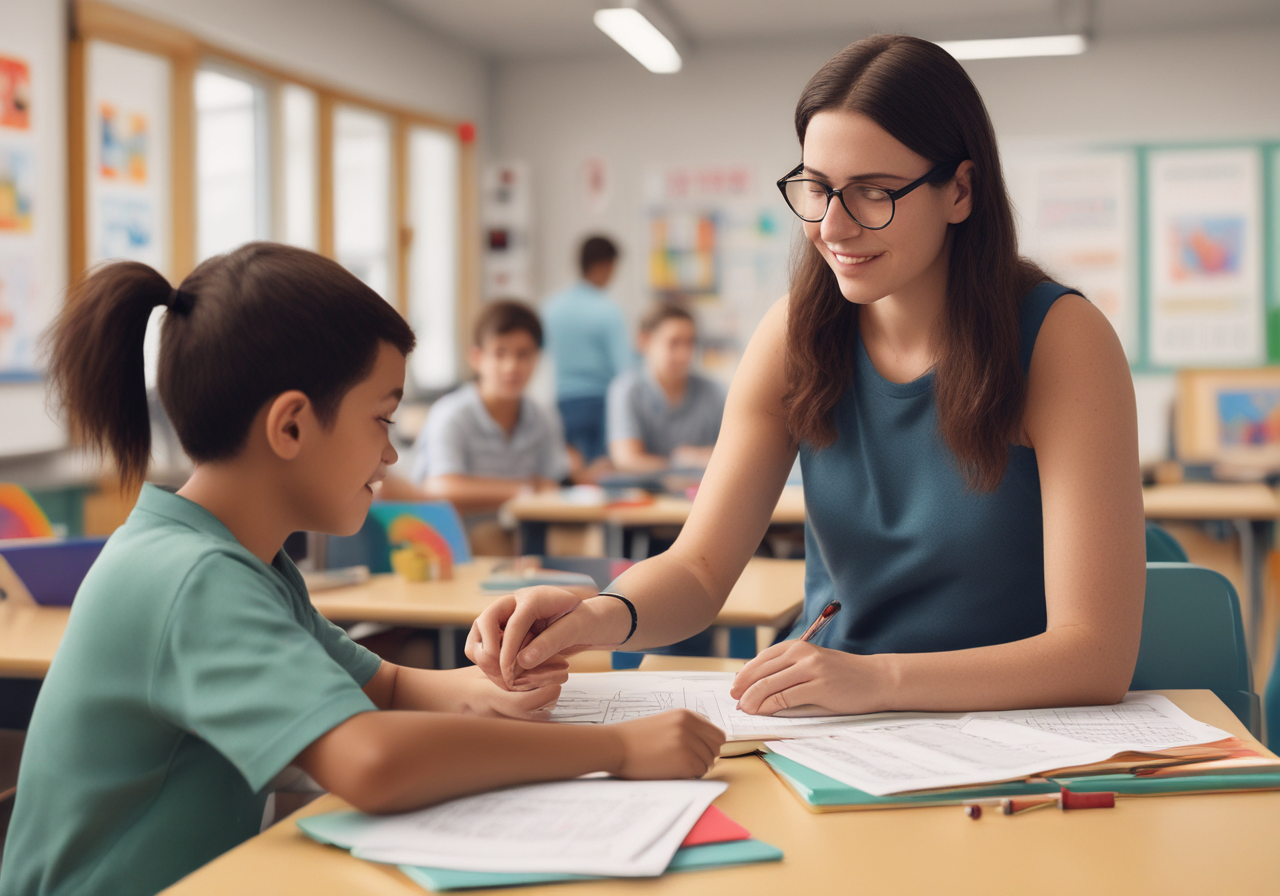
Autistic people often find social interactions hard. They may have trouble understanding social cues, body language, and facial expressions. Using special ways to help can make their social skills better. Some people use cognitive behavioral therapy. It can help lower the anxiety that comes from being in social situations. It is also good to build spaces where people have understanding of autism. This gets people to join in more and in a good way. It helps a lot when nonverbal communication is respected. Doing all this can help autistic people feel better in the community and can improve their quality of life.
Navigating Social Interactions
Social interactions can be hard for autistic people, especially when it comes to reading body language and facial expressions. It is important for them to work on social skills. They can get better at this by taking part in planned activities in a space that supports them. Doing role-playing and using pictures or charts can help them learn more about the small parts of talking with others. It also helps to give them simple rules about speaking and encourage them to try making eye contact. These things let autistic people feel more sure when in social settings. They also help them feel like they belong in their community.
Effective Communication Techniques
Using good ways to talk can really help when you spend time with autistic people. It is important to use clear and simple words so there is less confusion and people get what you want to say. Nonverbal communication matters a lot too. The way you use your facial expressions and limited eye contact shows how you feel and what you mean. It is good to use things like charts or pictograms. These visual supports help people understand more, especially in social times with others. You should also be patient and give them enough time to think and answer. This lets them feel comfortable and makes a place where it is good to talk and share with each other.
Educational Inclusion and Support
Creating an inclusive educational environment means seeing the many needs of autistic children. Using special strategies can help make their learning much better. Sometimes, aspects of autism can make regular classroom approaches hard for them. When teachers, parents, and healthcare providers work together, the child gets support from all parts of life. This helps to bring out the best in each child.
Having learning plans made just for each child is helpful. Using proven methods, like cognitive behavioral therapy, can close gaps. These help with social communication and learning to manage feelings. Both of these things are good for academic growth and the child’s well-being in the classroom.
Tailoring Education to Individual Needs
Each autistic child is different. They need learning plans made just for them. Teachers should notice each child’s favorite things, how they react to sounds or sights, and their social communication skills. This helps the teacher build a better space to learn. It is good to use things like pictures, set routines, and social stories to help them take part and understand. It also helps a lot when teachers, healthcare providers, and families work as a team. This way, they make a plan for each child’s needs. Changing the way kids are taught helps them grow and feel safe. The aim is to help their minds grow and take care of their feelings, too. In the end, this brings a better learning life for students with autism.
Role of Educators in Supporting Autistic Students
Teachers have a big part in helping autistic children feel welcome and included at school. When teachers learn about the different characteristics of autism, they can better help each student in their own way. By using teaching styles that fit each child, and by adding lessons that build social skills, students can have a better school experience.
It is also helpful when teachers watch for nonverbal cues and help kids talk and get along with each other. Early intervention is very important. When schools and healthcare providers work together early, it gives students with autism the right support for learning and being with others. This teamwork helps them do well both in class and with friends.
Community Engagement and Empowerment
Promoting community togetherness for autistic people helps them build social skills and feel better emotionally. Support networks that focus on everyone being included help autistic children and adults feel like they belong. This also lowers feelings of being alone. Group activities and working together can help with signs of autism. Shared times and friendship make people feel more confident and help others understand what they go through.
When autistic people are encouraged to join in, it lifts their quality of life. It also brings more awareness and acceptance in the whole community. This way of working together helps all of us, not just those with autism.
Encouraging Participation in Community Activities
Getting autistic people involved in different activities in the community helps them build social skills and make friends. Creating programs that match what they like gives them more confidence and makes them feel like they belong. When you encourage them and understand their special needs, they will take part more. Knowing the signs of autism, like having trouble with nonverbal communication or dealing with sensory processing differences, helps find better ways to support them. By making places more supportive, the community can help autistic people grow and make a real difference.
Building a Supportive Community Network
Building a strong and caring community starts when people try to understand each other and show kindness to everyone. Involving local groups can give the right resources. They can also help people know more about autism spectrum disorder. This will help everyone see and understand the signs of autism better.
Having peer support groups for autistic people, their families, and those who take care of them is very important. In these groups, people can talk about real life, share what works, and help each other. When you ask more people to join community activities, it can help grow their social skills. It also helps make real bonds between people.
Doing all these things helps build a place where everyone is welcome. It is good for the people with autism. The community learns to care for their needs and see the good things that autistic people bring.
Conclusion
To help autistic people, the community needs to get involved and use special ways that really fit their needs. It is important to know the different challenges faced by people who are on the autism spectrum disorder. This helps to build spaces where everyone feels welcome. These places support better social skills and mental health.
By making good connections and showing respect for everyone’s experience, we can help autistic children and adults do well. Ongoing support and learning are needed so all needs are taken care of. This helps create a society that is good and open for all people.
Frequently Asked Questions
What Are Some Common Strengths of People With Autism?
People who have autism can show unique strengths. They often pay close attention to detail and have a strong memory. Many of them be very good at focusing on things that interest them. Their way of looking at things can help bring new ideas and creativity. This can have a good effect on areas like technology, art, and science.