

Key Highlights
- Incorporating a variety of nutrient-rich foods from every food group is essential for maintaining overall health and supporting a balanced diet.
- Essential foods such as leafy greens, berries, fatty fish, and whole grains deliver a wide range of nutrients, including vitamins, minerals, fiber, and healthy fats.
- Smart meal strategies and portion control help establish healthy eating patterns that follow dietary guidelines.
- Making daily healthier choices at the grocery store and during meals can reduce the risk of obesity and chronic diseases.
- Easy food swaps and simple recipes empower you to maintain good health and enjoy nutritious meals every day.
Introduction
Healthy eating is the foundation of overall health and well-being. Choosing a balanced diet filled with nutrient-dense foods helps your body function at its best, lowers the risk of chronic health issues, and strengthens your immune system. By understanding which foods to prioritize and how to create healthy eating patterns, you set yourself up for a lifetime of vitality. Ready to fuel your body the right way? Let’s explore which foods and habits will help you reach your nutritional goals.
Fuel Your Body: Essential Foods for Healthy Eating
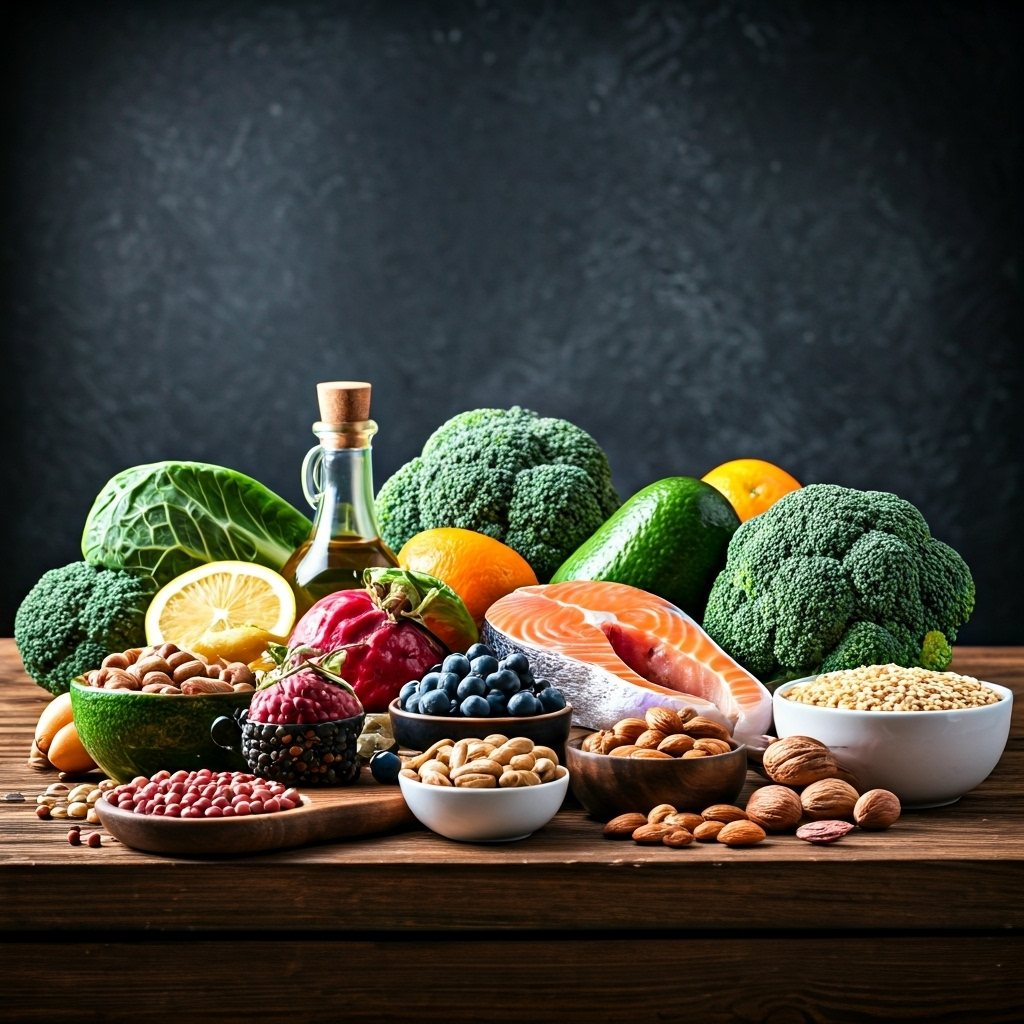
Creating nutritious meals begins with selecting foods from every main food group, focusing on those packed with vitamins, minerals, and fiber. Healthy eating follows dietary guidelines that emphasize fruits, vegetables, whole grains, lean proteins, and healthy fats.
Including a broad range of nutrients supports your body’s many needs, from energy production to heart health. Wondering which foods top the list for optimal well-being and balanced nutrition? Let’s break down the top 10 healthiest foods you can add to your daily routine to transform your eating patterns.
1. Leafy Greens: Spinach, Kale, and Swiss Chard
Leafy greens—like spinach, kale, and Swiss chard—are loaded with valuable nutrients. When you add these vegetables to your meals, you benefit from high levels of vitamin K, fiber, and antioxidants. Spinach is especially rich in iron and folate, which support blood health and energy.
Swiss chard and collard greens bring a distinct flavor and texture to salads, soups, and stir-fries. Regularly including these vegetables can help you maintain healthy cholesterol levels and support heart health.
What makes leafy greens superfoods? “Leafy greens are among the most nutrient-dense foods on the planet, supporting everything from bone strength to immune function,” says Marie Lorraine Johnson, MS, RD, CPT. By adding a handful of greens to your daily meals, you give your body a boost of vital nutrients with every bite.
2. Berries: Blueberries, Strawberries, and Raspberries
Berries are a delicious and versatile way to deliver a variety of fruit and a range of nutrients to your diet. Blueberries, strawberries, and raspberries are loaded with vitamin C, antioxidants, and grams of fiber, making them excellent choices for a healthy snack or a topping for yogurt.
- Blueberries are a powerhouse of antioxidants that help protect your cells from damage.
- Strawberries supply vitamin C, which supports immune health and skin vitality.
- Raspberries are high in fiber, promoting digestive health and satiety.
Are you searching for the top 10 healthiest foods for a balanced diet? Berries regularly make the list because they are low in calories and high in nutrition. Enjoy them fresh, frozen, or blended into smoothies to maximize your well-being.
3. Fatty Fish: Salmon, Sardines, and Tuna
Fatty fish like salmon, sardines, and tuna are excellent sources of healthy fats and protein. These oily fish are rich in omega-3 fatty acids, which play a crucial role in reducing inflammation and supporting heart health.
Salmon is also a great source of vitamin D, which is essential for bone strength and immune function. Sardines provide calcium and vitamin D, while tuna offers a lean protein boost with minimal saturated fat.
Heart-healthy eating includes regular servings of fatty fish. The American Heart Association recommends at least two portions of fish per week, with at least one being oily fish. Including these options in your meals can help lower cholesterol, reduce blood pressure, and support overall cardiovascular health.
4. Nuts and Seeds: Almonds, Walnuts, and Chia Seeds
Nuts and seeds are nutrient powerhouses that deliver healthy fats, protein, and a range of vitamins and minerals. Almonds, walnuts, and chia seeds, in particular, offer impressive health benefits.
- Almonds supply vitamin E, antioxidants, and b vitamins, making them a good snack and a support for heart health.
- Walnuts are rich in omega-3 fatty acids, which may help lower your risk of cardiovascular disease.
- Chia seeds pack in fiber, magnesium, and calcium, helping to improve digestion and bone health.
Adding these superfoods to your meals can help you feel fuller for longer and support weight management. Include a handful of nuts or a sprinkle of seeds on your breakfast oats, salads, or yogurt to boost your daily nutrition.
5. Whole Grains: Quinoa, Brown Rice, and Oats
Whole grains provide a steady source of energy and are loaded with fiber, vitamins, and minerals. Quinoa, brown rice, and oats are excellent options for maintaining a balanced diet.
Quinoa stands out as a complete protein, offering all essential amino acids, which is rare for a plant-based food. Brown rice contains higher fiber than white rice and is a good source of magnesium and B vitamins. Oats are especially rich in beta-glucan, a type of fiber that supports lower cholesterol and digestive health.
Looking for the best foods to maintain a nutritious diet? Whole grains should be a staple on your plate. They help keep you full, regulate blood sugar, and provide lasting energy for your daily activities.
6. Lean Proteins: Chicken Breast, Turkey, and Eggs
Lean proteins such as chicken breast, turkey, and eggs are vital for tissue repair, muscle maintenance, and overall health. These foods are low in saturated fat but high in protein, making them ideal for weight management and supporting a healthy metabolism.
Chicken breast and turkey are excellent sources of B vitamins and minerals, helping you feel satisfied without excess calories. Eggs offer complete protein and important nutrients like choline, which supports brain health.
Are there specific healthy foods recommended by nutrition experts? Absolutely—lean meats and eggs are frequently named for their health benefits and versatility. By incorporating these proteins into your meals, you’re fueling your body with building blocks it needs for good health.
7. Colorful Vegetables: Bell Peppers, Carrots, and Broccoli
Colorful vegetables like bell peppers, carrots, and broccoli add brightness to your meals and deliver a broad range of nutrients. These starchy foods are high in vitamin C, antioxidants, and fiber, supporting immune function and digestive health.
Eating a mix of vegetables ensures you get a variety of beneficial plant compounds. Bell peppers are especially high in vitamin C, while carrots supply beta-carotene for eye health. Broccoli is a cruciferous vegetable known for its potential cancer-fighting properties.
Wondering what to include in your top 10 healthiest foods? Colorful vegetables make the cut. Fill half your plate with veggies at each meal to maximize nutrition, keep calories in check, and promote overall wellness.
8. Legumes: Lentils, Beans, and Chickpeas
Legumes are plant-based protein sources that include lentils, beans, and chickpeas. These foods are packed with grams of fiber, iron, and B vitamins, making them a key part of a balanced, nutritious diet.
Lentils cook quickly and are perfect for soups, stews, or salads. Beans can be added to chili, casseroles, or used as a side dish. Chickpeas are versatile, working well in hummus, salads, or curries.
Looking for the best foods to maintain a balanced diet? Legumes help lower cholesterol, stabilize blood sugar, and keep you feeling full longer. Regularly including lentils, beans, and chickpeas in your meals supports heart health and healthy digestion.
9. Healthy Oils: Olive Oil and Avocado Oil
Healthy oils like olive oil and avocado oil are important for providing essential fats and enhancing flavor in your dishes. Olive oil is rich in monounsaturated fat, which supports heart health and helps lower cholesterol levels.
Avocado oil is a versatile option known for its high smoke point and beneficial fats. Both oils are superior to vegetable oils high in saturated fat, making them ideal for salad dressings, sautéing, or drizzling over cooked vegetables.
Seeking heart-healthy foods to eat regularly? Replacing butter, lard, or margarine with olive or avocado oil can reduce your risk of cardiovascular disease. These oils not only add healthy fat but also help your body absorb fat-soluble vitamins.
10. Fermented Foods: Greek Yogurt, Sauerkraut, and Kimchi
Fermented foods like Greek yogurt, sauerkraut, and kimchi are packed with probiotic benefits and a range of nutrients that support gut health. Greek yogurt offers high-quality protein, calcium, and active cultures that improve digestion.
Sauerkraut and kimchi are fermented vegetables that introduce beneficial bacteria to your digestive tract, supporting immune function and nutrient absorption. Regularly eating these foods can contribute to better gut health and may reduce inflammation.
What are the health benefits of adding superfoods to your meals? “Fermented foods can help promote a healthier microbiome, which supports everything from digestion to mental health,” notes Kris Gunnars, BSc. Try adding a spoonful of sauerkraut to your lunch or enjoying Greek yogurt as a snack to boost your overall nutrition.
Smart Strategies for Balanced and Nutritious Meals
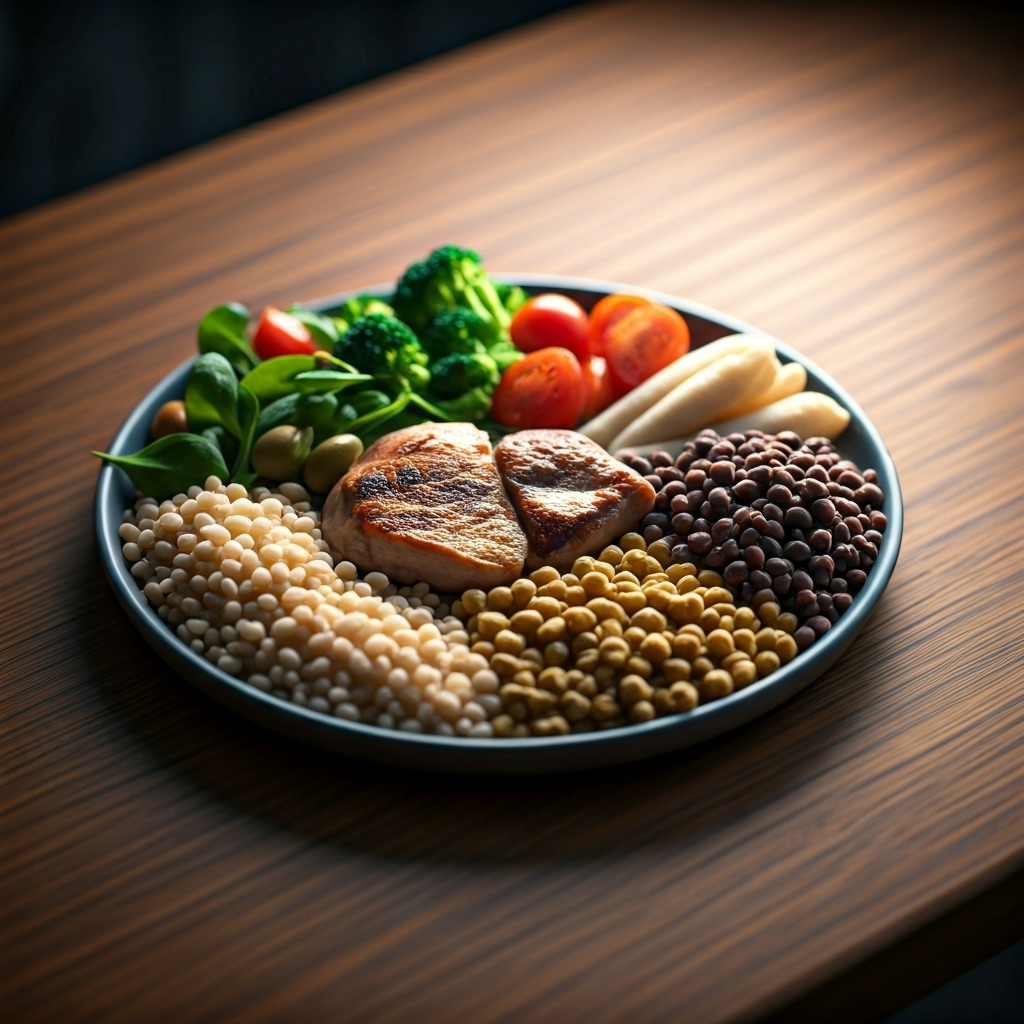
Planning balanced meals is easier when you keep dietary guidelines in mind and focus on variety. Aim to build meals that include every food group, prioritizing vegetables, whole grains, lean proteins, and healthy fats.
Adopting healthy eating patterns can make a big difference in your long-term well-being. Looking for the best way to maintain a nutritious diet or need inspiration for meals? The following sections will equip you with sample meal plans and quick recipe ideas using only healthy foods.
Building a Sample Meal Plan with Only Healthy Foods
Sticking to a balanced diet is simple when you use the main food groups as your building blocks. Here’s a sample meal plan to help you get started:
|
Meal |
Foods Included |
|---|---|
|
Breakfast |
Oats with blueberries and Greek yogurt; sprinkle with chia seeds |
|
Snack |
Almonds and sliced apple |
|
Lunch |
Grilled chicken breast salad with spinach, bell peppers, carrots, and olive oil dressing |
|
Snack |
Hummus with carrot sticks and whole grain crackers |
|
Dinner |
Baked salmon with quinoa and steamed broccoli |
|
Dessert |
Mixed berries and a small scoop of Greek yogurt |
This plan highlights dietary guidelines and ensures you’re getting a range of nutrients for good health. Feel free to swap in lean turkey, brown rice, or other legumes to suit your personal preferences.
Quick and Easy Recipes Using Nutrient-Dense Ingredients
Preparing healthy meals doesn’t have to be time-consuming. Try these simple recipes featuring nutrient-dense ingredients for delicious, balanced meals:
- Veggie-Packed Stir-Fry: Sauté broccoli, bell peppers, carrots, and tofu in olive oil; serve over brown rice.
- Berry Chia Yogurt Parfait: Layer Greek yogurt, strawberries, blueberries, and chia seeds for a quick breakfast or snack.
- Salmon Quinoa Bowl: Top cooked quinoa with roasted salmon, steamed spinach, and a drizzle of avocado oil.
Quick recipes like these help you maintain healthy eating patterns without sacrificing flavor. By focusing on whole, minimally processed foods, you maximize the health benefits of every meal and set yourself up for success.
Making Healthier Choices Every Day
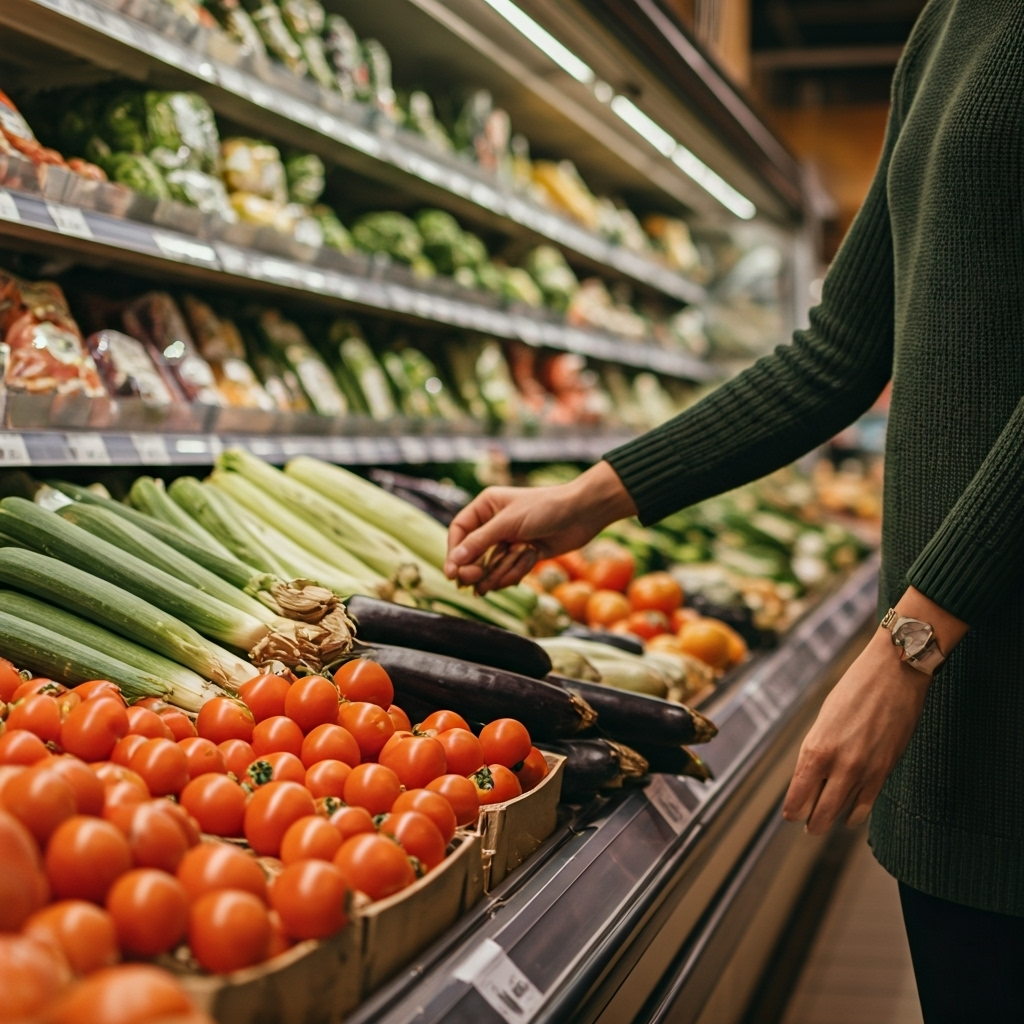
Making small changes each day is the key to healthier choices and lasting results. Paying attention to portion sizes, reading labels, and choosing foods low in saturated fat and salt all support a healthy weight and lower your risk of obesity.
Wondering how to spot healthy foods while grocery shopping or what swaps can make your meals better? The next sections will guide you through identifying nutritious options and choosing alternatives to common unhealthy favorites, so you can make every meal count for your overall health.
Identifying Healthy Options When Grocery Shopping
Navigating grocery aisles can feel overwhelming, but identifying healthy foods doesn’t have to be difficult. Start by focusing on whole foods that belong to a key food group—fruits, vegetables, whole grains, lean proteins, and healthy fats.
- Choose snacks like nuts, seeds, or fresh fruit instead of processed options.
- Check food labels and look for items with higher fiber, less added sugar, and lower sodium.
- Steer clear of energy drinks and products with lengthy ingredient lists or unpronounceable additives.
Are you wondering how to easily identify healthy foods? Stick to the perimeter of the grocery store, where fresh produce, meats, and dairy are usually found. Make a list ahead of time to stay focused on nutritious choices and avoid impulse buys.
Healthy Food Swaps for Common Unhealthy Favorites
Transforming your diet is easier when you have healthy swaps for your favorite foods. Here are a few ideas that make a real difference:
- Switch to wholewheat pasta instead of refined white pasta for more fiber and sustained energy.
- Choose water or a glass of fruit juice instead of sugary sodas to lower your risk of high blood pressure and tooth decay.
- Bake sweet potato fries instead of eating fried potato chips for fewer unhealthy fats.
What are common unhealthy foods to avoid? Processed snacks, foods high in saturated fat, and sugary drinks top the list. By choosing these healthier alternatives, you lower your risk of obesity and improve your overall nutrition with every meal.
Conclusion
In conclusion, fueling your body with healthy foods is essential for maintaining overall well-being and vitality. By incorporating nutrient-dense options like leafy greens, berries, fatty fish, and whole grains into your daily routine, you can create balanced meals that support your health goals. Remember, making small changes can lead to significant benefits over time. Whether you’re planning meals or making choices while shopping, prioritize foods that nourish your body. For those ready to take the next step in their journey toward better health, consider booking a free consultation to receive personalized advice and meal planning strategies tailored just for you.
Frequently Asked Questions
What are the best heart-healthy foods to eat regularly?
Heart-healthy foods include olive oil, fatty fish such as salmon and sardines, a variety of nuts, and other vegetable oils rich in unsaturated fat. Including these foods in your diet can help lower cholesterol, reduce blood pressure, and support overall cardiovascular health.
Are there specific healthy foods recommended by nutrition experts?
Nutrition experts recommend leafy greens, whole grains, lean meats such as chicken or turkey, and eggs. High-fiber foods and those rich in B vitamins, like legumes and nuts, are also advised for their wide-ranging health benefits and support for a balanced diet.
How can I make healthy choices when eating out or ordering takeout?
To make healthier choices when eating out, select meals with more vegetables, lean proteins, and whole grains. Opt for smaller portion sizes, avoid foods high in saturated fat, and minimize creamy sauces or fried options to help lower cholesterol and maintain good health.