

Key Highlights
- SEO trends in 2025 focus on user experience, search engine adaptability, and strategic keyword research for better visibility.
- Google Search prioritises AI integration, including generative AI, to enhance search results and understand user intent accurately.
- Organic traffic remains crucial for SEO success, with structured content playing a significant role in search engine rankings.
- The rise of zero-click searches requires an emphasis on featured snippets and answer engines like ChatGPT search.
- A solid SEO strategy involves tools like Google Search Console for monitoring and keyword optimisation.
Introduction
Search engine optimization (SEO) continues to be essential in 2025, adapting to AI-driven changes in Google Search algorithms. Emerging SEO trends place greater emphasis on user experience and keyword strategies tailored for smarter search engines. As the future unfolds, search engine optimization is no longer just about rankings but connecting users efficiently with valuable information. If you’re navigating modern SEO challenges and aim to stay ahead in an AI-dominated landscape, this guide offers practical insights to refine your SEO approach.
Understanding SEO in 2025: What Has Changed?

The landscape of search engine optimization has undergone major shifts in 2025. Search engine ranking algorithms have become increasingly intelligent, impacting SEO strategies with reliance on AI and generative AI technologies. The integration of machine learning enables search engines like Google to understand user intent better, resulting in more dynamic search results.
These advancements demand smarter approaches, including technical SEO enhancements, structured data, and content tailored to evolving ranking algorithms. SEO strategies now focus heavily on providing a user-centric experience while keeping pace with algorithmic developments.
The evolution of search engines and ranking algorithms
Search engines in 2025 are vastly different, having transitioned beyond traditional keyword-based search functionalities. With advanced ranking algorithms, SEO efforts now require a deep understanding of technical SEO elements and content structuring. Google Search results are influenced by interconnected metrics such as user experience and semantic context, which gauge content relevance and quality.
The push for algorithm sophistication means search engines reward well-organized sites. Technical SEO plays a vital role in aligning websites to these evolving standards. Core Web Vitals metrics, such as site speed and layout stability, are indispensable.
Additionally, diversity in search platforms influences rankings. Search traffic doesn’t just originate from Google but spreads across platforms like YouTube and TikTok. In such scenarios, adapting SEO efforts for multiple types of user interactions ensures visibility across varied search engines.
The growing impact of AI and machine learning on search
Artificial intelligence is reshaping search by refining the accuracy of search results and predicting user needs. Generative AI produces summaries and AI-powered search results that fulfill user intent without requiring site visits. This shift challenges SEO content strategies to stand out in AI-generated environments while staying relevant.
Machine learning algorithms now assess user behavior patterns. Factors such as click-through rates and engagement help determine ranking priorities. SEO efforts must cater to these AI-driven preferences for better placements in search results.
Google’s emphasis on understanding user intent has revolutionized searches. Tools like ChatGPT search enhance answer engines, breaking away from basic keyword searches. For SEO success, it has become crucial to connect content structures directly with AI data analysis for seamless query responses, ensuring your website stays visible.
Why SEO Still Matters in the Age of AI
AI has transformed search engines, but SEO remains vital for organic traffic and brand development. Solid SEO content ensures your site continues to rank in user searches, even amidst AI-driven changes. With curated strategies tailored to modern search engine trends, your visibility can significantly increase.
As user experience drives search engine rankings, aligning with AI-powered updates keeps your brand competitive. A focused SEO strategy builds awareness and enables lasting connections in this rapidly evolving digital landscape.
Organic visibility vs. paid search in 2025
In 2025, organic traffic continues to outshine paid methods for long-term success. While Google Ads secure instant visibility, sustained SEO efforts lead to greater trust and engagement through organic search engine traffic.
Achieving organic visibility involves creating robust SEO strategies and fostering authentic connections with users. From valuable content creation to enhanced on-page elements, organic practices promote consistent traffic without high costs. This approach ensures users find relatable and engaging information.
Paid search, though advantageous for quick results, lacks the depth of engagement organic methods bring. Google Ads may attract visitors, but organic visibility builds brand loyalty. By focusing on SEO’s power to attract and retain traffic, your website achieves relevance in Google Search results efficiently.
How users interact with search results today
User behavior in 2025 shows an increasing reliance on concise information. Mobile devices dictate how users navigate search results, prompting SEO strategies that prioritize quick, value-rich content. Featured snippets have transformed the search experience by providing direct answers at a glance.
Search engines also cater to intent-driven inquiries. Understanding user experience nuances helps shape content for greater visibility and user satisfaction. Optimizing sites for mobile access through responsive designs further enhances interaction rates.
Technological advancements in search results make it advantageous to target zero-click searches. Ensuring captivating featured snippets and answer-based solutions enables your site to maximize visibility across user touchpoints. Evolving user behavior aligns SEO trends with mobile-first engagement principles.
Key Trends Shaping SEO in 2025

SEO trends continuously evolve, with a marked shift toward modern practices shaping search analytics in 2025. Strategies now reject keyword stuffing for dynamic, user-focused content creation steered by search engine demands.
Platforms like Search Engine Land emphasize fresh approaches to increasing search volume effectively. The emergence of AI-driven search environments, paired with topical content mastery, signals a transformation in traditional SEO strategies. Prepare to stay competitive by aligning with these emerging trends.
Rise of zero-click searches and answer engines
Zero-click searches are redefining user engagement by providing instant, direct answers without visiting sites. This trend emphasizes the role of answer engines like ChatGPT search, which collates data into structured summaries within Google Search.
Featured snippets now dominate user attention. SEO strategies must incorporate content that matches snippet formats, such as concise answers and bullet points. Text formatting enhances your visibility in zero-click scenarios.
Optimizing for AI-enhanced answer engines also involves tailoring content for specific question-based queries. Using HTML tags and structured answers boosts your presence in the SERPs while retaining a reason for users to explore your website further. Effective zero-click strategies balance visibility with engagement.
Emphasis on E-E-A-T (Experience, Expertise, Authoritativeness, Trustworthiness)
Building a solid foundation in SEO requires a strong emphasis on E-E-A-T principles. Search engines favor content that demonstrates not just expertise, but also experience and trustworthiness. Crafting great content involves showcasing authoritative knowledge in your niche, which elevates your search engine rankings. User behavior and engagement metrics become pivotal indicators of your site’s credibility. Prioritizing these aspects in your SEO strategy not only enhances organic traffic but also fosters brand awareness, ensuring a rich user experience across digital platforms.
Essential Tools and Resources for Beginners

For beginners, the right SEO tools simplify the optimization process. Google Search Console enables performance monitoring, detecting issues affecting visibility. Bing Webmaster Tools provide additional insights for search engine efforts.
To master keyword research, platforms like Semrush and analytics tools such as Google Analytics support identifying trends in search volume and user activity. Armed with these resources, beginning your SEO journey becomes structured and guided.
Setting up Google Search Console and Bing Webmaster Tools
The setup of Google Search Console and Bing Webmaster Tools is vital for monitoring traffic insights. Follow these simple steps:
|
Google Search Console |
Bing Webmaster Tools |
|---|---|
|
Access console.google.com |
Visit bing.com/webmaster |
|
Register domain and verify |
Register your domain |
|
View performance reports |
Analyse search engine traffic |
By integrating both tools, improve comprehensive SEO efforts and site analytics tracking. Google and Bing offer unique data perspectives, enhancing visibility calculations.
Recommended keyword research and analytics tools
Keyword research is simplified with platforms like Semrush. Analytics tools offer insights into trends. Recommended resources:
- Google Analytics tracks search traffic performance.
- Moz Blog shares strategies aligned with search volume studies.
- Ahrefs for keyword-friendly site audits.
- Backlinko assists competitive SEO analysis.
Maximizing SEO results begins with targeted keyword exploration. These tools ensure visitors align with optimised SEO strategies for stronger ranking.
Content continues per the next H2/H3 sections provided in the outline.
Beginner’s Guide: How to Start with SEO in 2025
Embarking on an SEO journey in 2025 requires a comprehensive understanding of current trends and user behavior. Begin by defining clear goals for your search engine optimization strategy and identify your target audience. Utilize tools like Google Search Console and Google Analytics to inform your decisions, ensuring you align with user intent and maximize search visibility. Focusing on mobile optimization and high-quality content will enhance user experience, ultimately boosting organic traffic and improving search engine rankings as you cultivate your online presence.
What you’ll need to begin your SEO journey
Starting an SEO journey requires a clear understanding of fundamental tools and concepts. First, leveraging robust keyword research tools is essential to uncover search intent and optimize your content strategy effectively. Additionally, familiarizing yourself with Google Search Console and Analytics will provide insight into user behavior and site performance. High-quality content creation remains paramount, enabling you to establish topical authority. Lastly, consider incorporating mobile optimization practices to enhance user experience, ensuring your website attracts organic traffic across diverse devices.
Building a beginner-friendly SEO toolkit
Creating a beginner-friendly SEO toolkit involves selecting essential tools that enhance your search engine optimization efforts. Start with a reliable keyword research tool to identify user intent and relevant long-tail keywords. Incorporating Google Analytics and Google Search Console will provide insights into user behavior and search traffic, crucial for adjusting your SEO strategy. Additionally, content creation tools can help streamline the development of great content, ensuring you meet current SEO trends. Lastly, an SEO audit tool will assist in maintaining site performance and resolving technical SEO issues.
Step-by-Step SEO Process for 2025
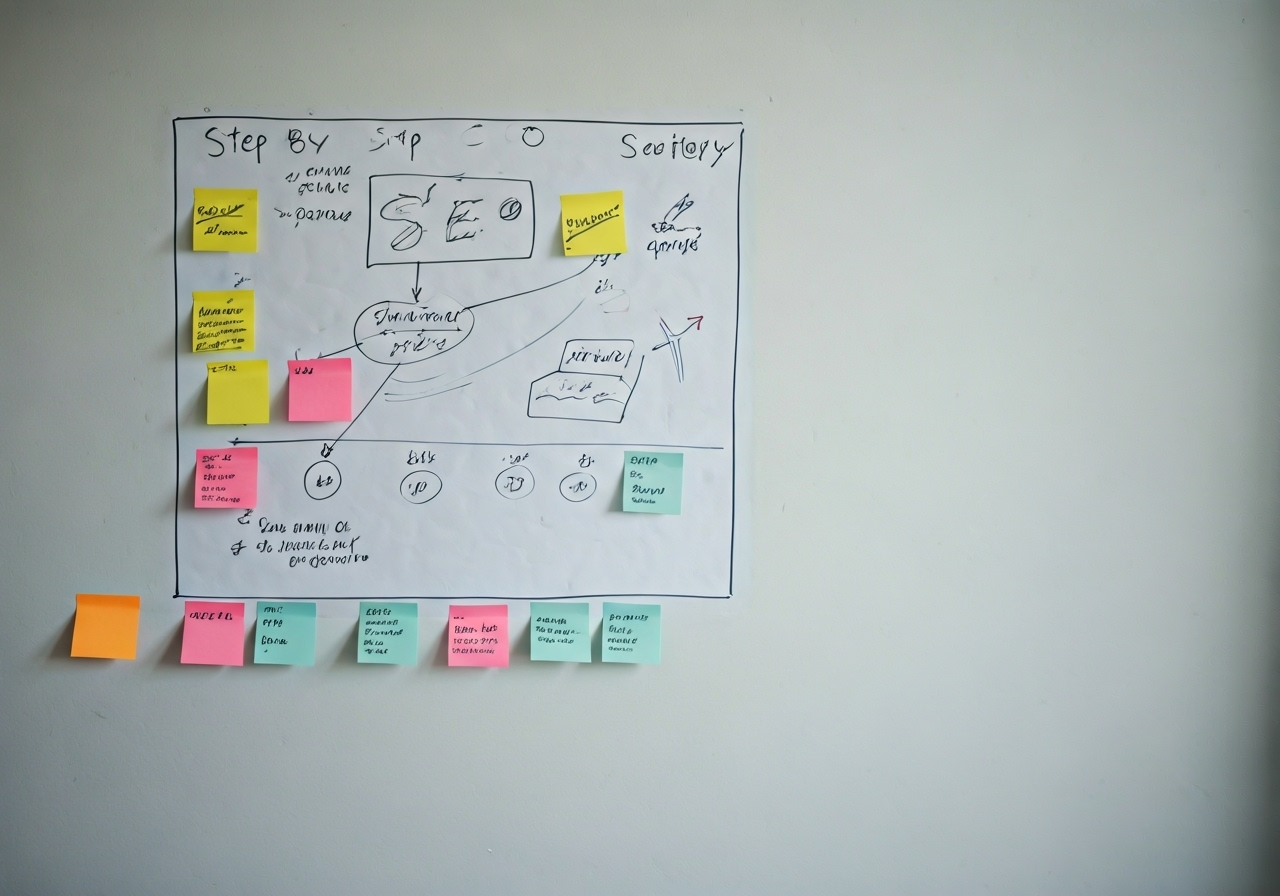
A structured approach to SEO ensures efficiency and alignment with emerging trends. Begin by defining your target audience and setting measurable goals, paving the way for your strategy. Following this, conduct powerful keyword research to identify relevant search terms that resonate with user intent and current search volume. Optimizing on-page elements becomes the next logical step; focus on meta tags, headings, and user experience to maximize search engine rankings. Finally, create valuable, topical content that engages users and satisfies their needs, ensuring your SEO efforts yield organic traffic and search visibility.
Step 1: Define your target audience and goals
Identifying the target audience is crucial for effective search engine optimization. Understanding user intent helps tailor content that resonates with potential visitors, driving organic traffic to your website. Setting clear goals provides direction for your SEO strategy, ensuring that every piece of content aligns with your objectives. Use tools like Google Analytics and search console to gather data on user behavior, preferences, and demographics. This foundational step promotes creating valuable content that meets audience needs, subsequently enhancing search visibility and boosting SEO success.
Step 2: Conduct effective keyword research for 2025 trends
Conducting effective keyword research in 2025 requires a deep understanding of user intent and emerging trends. Utilizing advanced tools like Google Search Console and various SEO tools can help identify valuable long-tail keywords that resonate with your target audience. Monitoring search behavior and leveraging data from social media can also inform your SEO strategy, ensuring that your content aligns with current topics that matter to users. This proactive approach will enhance your search visibility and significantly boost organic traffic to your site.
Step 3: Optimize your website’s on-page elements
On-page elements serve as the foundation of your SEO strategy, impacting both search engine rankings and user experience. Titles, meta descriptions, headers, and URL structures should incorporate relevant keywords while retaining clarity. Additionally, optimizing images with alt text enhances accessibility and boosts SEO efforts. Ensuring content is easily digestible engages readers and satisfies user intent. The strategic use of internal linking fosters navigation and topical authority, reinforcing your site’s credibility. Emphasizing these elements paves the way for improved organic traffic and search visibility in an ever-developing digital landscape.
Step 4: Develop valuable and topical content
Creating engaging and relevant content is essential to attract organic traffic. Valuable pieces address user intent effectively, fulfilling the expectations of both search engines and audiences. Incorporating long-tail keywords can enhance your topical authority, aligning with current SEO trends. Leveraging generative AI tools can streamline content creation and ensure you stay ahead in the competitive landscape. Monitoring user behavior through analytics can also provide insights for refining your content strategy, helping you produce exceptional content that resonates with your target audience, thus boosting your overall SEO efforts.
Step 5: Improve user experience and site performance
Enhancing user experience is pivotal for achieving higher search engine rankings. Prioritize fast loading times and mobile optimization to cater to users across various devices. Implementing core web vitals can significantly improve site performance and overall user satisfaction. Monitoring user behavior through tools like Google Analytics provides insights into areas needing attention. Additionally, fostering engaging content that resonates with user intent helps retain visitors. Striving for a seamless interaction fosters trustworthiness, encouraging repeat traffic and boosting overall SEO success.
Step 6: Implement technical SEO best practices
A robust SEO strategy hinges on effective technical SEO practices. Prioritizing elements like site speed, mobile optimization, and structured data enhances user experience, ensuring that search engines can crawl and index your site seamlessly. Implementing HTTPS not only boosts security but also influences rankings positively. Additionally, regular audits using tools like Google Search Console can help identify issues such as broken links, crawl errors, and duplicate content, enabling timely resolutions. This meticulous approach will help in maximizing search visibility and driving organic traffic to your website.
Staying Ahead: Monitoring Progress and Adapting Strategies
Consistent tracking of your SEO progress is crucial for optimizing your strategy effectively. Utilizing tools like Google Analytics and Search Console helps assess user behavior, search traffic, and engagement metrics. Regularly analyzing this data allows for better understanding of how your content performs in search results and how it resonates with your target audience. Adapting your approach based on emerging SEO trends and user intent is essential for maintaining competitiveness. Staying informed on industry changes ensures your SEO efforts align with current best practices, boosting your search visibility and overall success.
Tracking results with analytics and reporting tools
Measuring the effectiveness of your SEO strategy is essential for ongoing success. Utilizing tools like Google Analytics and Google Search Console allows for a deep dive into search traffic, organic visibility, and user behavior. By tracking key metrics such as search volume, click-through rates, and user engagement, you can make informed adjustments to your content creation and keyword research efforts. Regular analysis not only enhances your understanding of user intent but also fosters continual improvement in your site’s performance and search engine rankings.
Updating tactics based on emerging SEO trends
Adaptations in your SEO strategy are crucial for staying relevant. Regularly monitoring evolving trends allows businesses to fine-tune their approach, ensuring alignment with user intent and behavior. Utilizing tools like Google Analytics and Search Console provides insights into search traffic patterns and content performance, facilitating timely updates. Embracing innovations such as generative AI can enhance content creation, improve user experience, and boost organic traffic. Continuous learning about new SEO techniques not only aids in maintaining search visibility but also enhances overall SEO success, fostering brand awareness.
Conclusion
Navigating the dynamic landscape of search engine optimization requires adaptation and a keen understanding of evolving SEO trends. As 2025 unfolds, staying informed and agile will be crucial for achieving SEO success. By integrating effective keyword research, optimizing user experience, and leveraging emerging technologies like generative AI, businesses can significantly enhance their search visibility and organic traffic. Embracing these practices ensures that your SEO strategies not only resonate with user intent but also thrive amidst the complexities of the digital realm.
Frequently Asked Questions
What are the most important SEO trends for beginners in 2025?
For beginners in 2025, key SEO trends include prioritizing E-E-A-T principles, leveraging AI tools for content creation and optimization, focusing on voice search and mobile-first indexing, and emphasizing user experience. Staying updated with algorithm changes is crucial for sustained success.
Do I need technical skills to start with SEO?
While technical skills can be beneficial for SEO, they are not mandatory for beginners. Understanding basic concepts, tools, and strategies is enough to get started. As you progress, acquiring technical knowledge will enhance your effectiveness in optimizing websites and improving search visibility.
How long does it take to see SEO results?
SEO results typically take time to manifest, often ranging from three to six months. This period depends on various factors, including website authority, competition, and the effectiveness of strategies implemented. Consistent efforts and monitoring are key to achieving desired outcomes over time.
Is SEO still relevant with AI-powered search engines?
Yes, SEO remains highly relevant despite the rise of AI-powered search engines. Effective SEO strategies enhance visibility and align content with user intent, ensuring that high-quality information still ranks well and meets audience needs in a landscape increasingly influenced by artificial intelligence.