Key Highlights
Here are the main points about how your roof affects the value of your home:
-
A damaged roof, like one with leaks or missing shingles, can lower the resale value of your home a lot.
-
Problems you can see hurt your home’s curb appeal and tell buyers that costly repairs might be needed.
-
Appraisers look closely at the roof’s condition, and signs of wear can make the value lower.
-
Fixing roof issues, whether minor repairs or a full roof replacement, can protect and even raise the value of your home.
-
A new or well-maintained roof is a strong selling point. It can bring more buyers and help you sell your home faster and easier.
-
Talking to a roofing contractor is the best way to learn about your roof’s condition and decide what to do next.
Introduction
Your roof is the first thing that protects your home from weather. But it also affects the value of your home a lot. When you want to sell, potential buyers and appraisers look closely at the roof’s condition. A roof that is well cared for can make your home more attractive. But a roof in bad shape can scare buyers away. If you ignore needed roof repairs, bigger problems can happen later. This can also lower your home’s market price a lot. Knowing how to see signs of a failing roof is the first step to protect your investment. If you are worried, a trusted roofing contractor can help you find the best way to keep and improve the value of your home.
Main Signs Your Roof May Be Decreasing Your Home’s Value
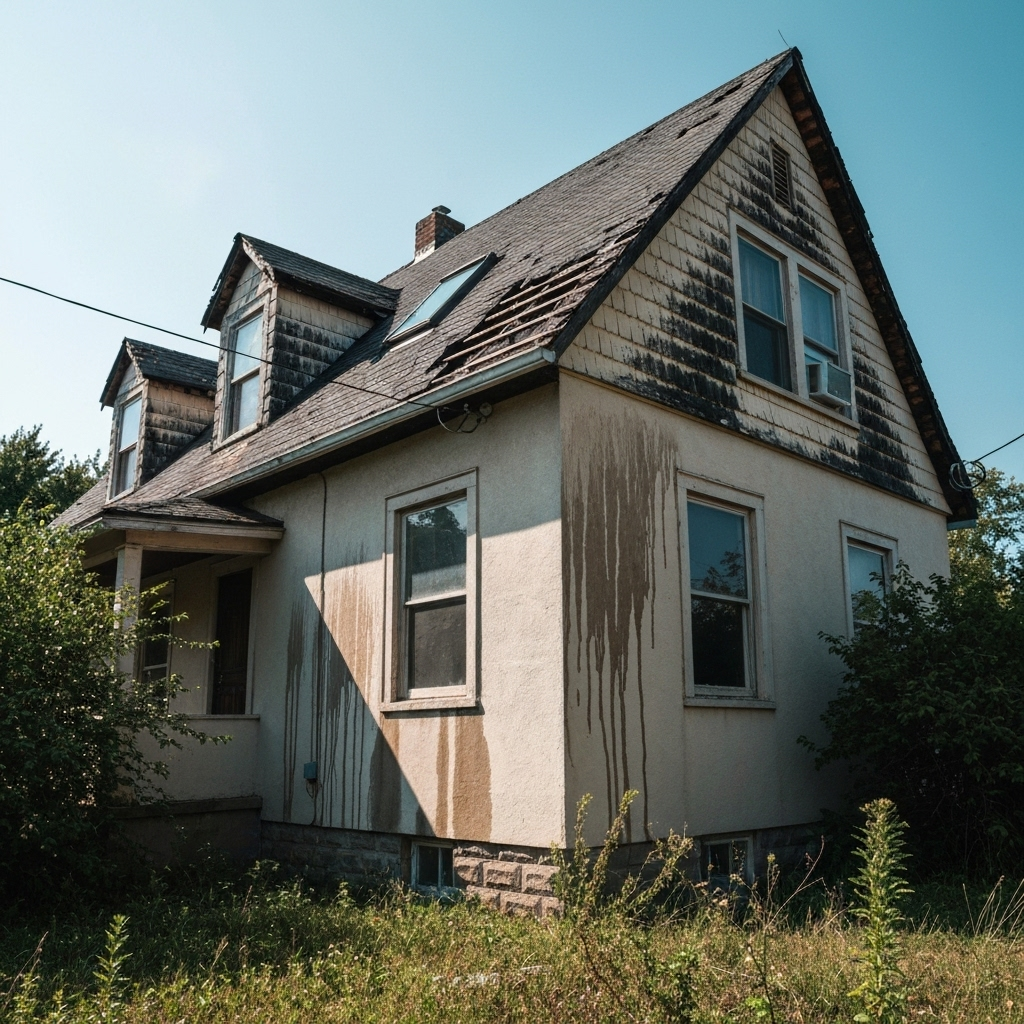
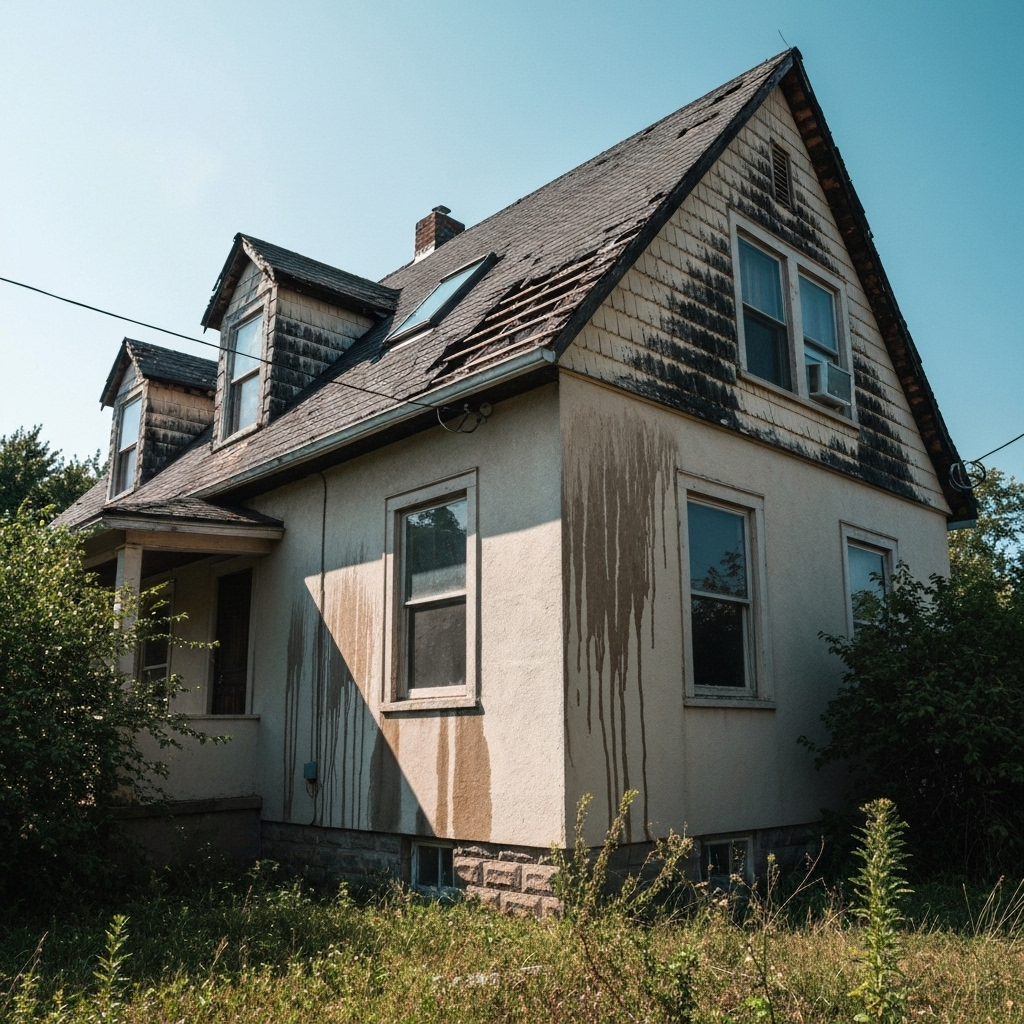
Knowing the warning signs of roof damage is very important to keep your home’s value. Obvious problems like missing shingles or a roof that is sagging are clear signs. These issues can hurt your home’s curb appeal and show potential buyers that there may be bigger problems. Such signs often mean the roof is not protecting your home well. This can scare off buyers and lower the price you can ask for your house.
If you ignore these signs, it can cause further damage like water leaks and problems with the structure. Fixing these big issues will cost much more. A damaged roof does not just lower your home’s value, but it can also harm the whole building. By checking for these problems early, you can take action to fix them. This will help keep your home safe and protect what you have invested. Let’s look at some common signs of roof damage you should watch for.
Common Visible Roof Damage
One of the easiest ways to check how healthy your roof is, is just by looking at it. Roof damage you can see is a big worry for both appraisers and buyers. This is because it often shows there could be bigger, more costly problems. After bad weather, it’s a good idea to do a quick check from the ground. You might find things you didn’t expect.
Anything that seems unusual might be a sign of trouble. For example, visible mold or dark streaks can show there is moisture. This moisture might have already reached the attic. If you don’t fix it, the moisture can cause rot and serious problems with the roof’s structure. These are big red flags when someone appraises your home.
Watch for these signs of roof damage you can see:
-
Cracked, broken, or missing shingles
-
Icicles or ice dams at the roof’s edge in winter
-
Gutters that are rusted, cracked, or pulling away from the house
-
Visible mold or moss growing on the roof
-
Sagging or drooping parts of the roofline
Doing this check after severe weather is a good idea to catch problems early.
Water Leaks and Stains Inside the Home
Sometimes, the best signs of roof problems are not on the roof but inside your home. Water stains on your walls or ceilings show that your roof may have leaks. These stains might start as light spots but can change into ugly yellow or brown marks over time. Even a small stain means water is coming in. And where there is water, further damage will come.
If you see drips or puddles of water inside your home, this is an urgent problem. It means the leak is big enough to go through many layers of your house. This wetness can cause mildew growth, which may harm your health and cause wood to rot in your attic and ceiling supports. Water damage is also a big downgrade for buyers and can lower what your property is worth.
Do not just cover the stain with paint. You must fix the leak to avoid long-term damage and keep your home’s value. A professional should check your attic insulation for wetness too. This is another sign of a leak or bad airflow that can hurt your home’s strength.
Shingle Issues and Granule Loss
Your roof’s shingles are the main shield that protects your home from weather. When they get damaged, your whole house can be at risk. For many homes with asphalt shingles, one of the first signs they are getting old is granule loss. These small ceramic-coated granules help keep the shingles safe from the sun and water. If you find a lot of them in your gutters or on the ground, it shows your shingles are getting weak and less useful.
Harsh weather like strong sun, high winds, and hail makes this damage happen faster. Over time, this can cause bigger problems. Missing shingles are a big issue because they leave the layer below open to rain and snow. This can cause leaks quickly.
Before you try to sell your home, check your shingles well. Here are some important things to look for:
-
Missing shingles or pieces that are torn off.
-
Shingles with cracks, curls, or bends.
-
A build-up of shingle granules in gutters.
-
Dark spots or streaks, which may mean algae or moisture problems.
How Roof Condition Impacts Property Appraisal
The condition of your roof plays a big role in the value of your home during an appraisal. An appraiser’s job is to find the fair market value of your property. They see the roof as an important sign of how well the home is cared for and its overall strength. If the roof is in bad shape, it can quickly lower the home’s value. This is because the appraiser has to think about the high cost of fixing or replacing the roof in the future.
On the other hand, a new or well-kept roof can help raise the home’s value. It shows the appraiser that the house is well-protected. It also means the new owner won’t need to spend a lot of money on repairs soon. Knowing what appraisers look for can help you get your roof ready and make a good impression.
What Appraisers Look For During Inspections
During a home valuation, an appraiser conducts a thorough visual inspection of the roof to assess its overall condition and remaining lifespan. They are trained to spot red flags that could indicate structural problems or the need for immediate replacement, both of which can negatively impact your home’s resale value. They aren’t performing a full professional roof inspection like a roofing contractor would, but they know what to look for.
The appraiser will check for signs of wear and tear, damage from weather, and improper installation. They will also consider the age of the roof and the type of materials used. Any evidence of leaks, such as water stains on the ceilings inside, will be noted and factored into their final report.
Here’s a breakdown of what appraisers typically focus on:
|
Area of Focus |
What They Look For |
|---|---|
|
Overall Condition |
Signs of aging, wear, and general maintenance. |
|
Visible Damage |
Missing, cracked, or curled shingles; moss or algae growth. |
|
Structural Integrity |
Sagging or uneven rooflines that suggest structural problems. |
|
Leaks & Water Damage |
Water stains on interior ceilings, dampness in the attic. |
|
Roof Age |
The estimated age of the roof vs. its expected lifespan. |
Roof Appeal and Its Role in Home Valuation
Never overlook how important curb appeal is. Your roof covers a large part of your home’s outside look, and it makes a strong first impression. If your roof looks old, stained, or broken, it can make the whole house seem uncared for. This can lower the value of your home before someone even comes inside. The beauty of your roof is directly linked to the value of your home.
A roof that is in good condition shows that the home has been well taken care of. It adds to a neat and polished look that buyers and appraisers like. Spending money on your roof’s look, whether by cleaning, minor repairs, or a full replacement, can greatly increase its market value.
Here are some ways your roof’s look affects your home’s value:
-
A clean, even roof improves how the home looks from the outside.
-
New roofing materials can give the whole house a fresh look.
-
Damage that can be seen, like stains or moss, hurts the home’s beauty.
-
A roof that looks good shows that the home has been cared for well.
Key Roof Problems to Watch Before Selling Your Home
When you get ready to sell your home, the roof’s condition should be very important. Buyers do not want homes that need big, costly work right away. A roof that is clearly worn out is a major warning sign. Even if it does not leak now, an old or damaged roof can make selling harder and lead to lower offers.
Before you put your home up for sale, check your roof for any problems that might scare buyers away. Fixing these issues early, with roof repairs or a full replacement, can help make the selling process much easier. Here are some key roof problems you should fix before selling.
Age and Lifespan of Your Roof
The age of the roof is one of the first things that potential buyers and their inspector will want to know. Every roofing material has a set time it can last. If your roof is near the end of its life, buyers will think about the cost to replace it when making an offer. A roof that is 20 to 25 years old is often seen as a problem, even if it is not leaking yet.
An older roof may not protect the home well. As the materials get old, they can lower your home’s energy efficiency. This means your heating and cooling bills could go up. Buyers now know about these long-term costs. A new roof that saves energy can be a big plus when selling.
If you have papers showing your roof’s age and any repairs done recently, it can give buyers peace of mind. But if your roof is old, worn out, and made from an old type of roofing material, it can scare away buyers or make them offer much less to cover the cost they will face soon.
Mold, Moss, and Rot Concerns
Mold, moss, or rot can seriously lower your home’s value. These things grow well in wet and dark places. When you see them on your roof, it shows there is a bigger moisture problem. For example, moss works like a sponge. It keeps water on your shingles, which causes damage and leaks. This shows the roof is in poor condition.
If moisture gets into the attic, you might see mildew growth or mold under the roof deck and on insulation. This causes a bad smell and can make the wood rot. When wood rots, the roof becomes weak. Buyers and inspectors see visible mold as a big health and safety worry.
You must fix these problems before you sell your home. Check for these signs:
-
Green, fuzzy moss on the shingles.
-
Dark streaks or patches of algae called gloeocapsa magma.
-
Any visible mold or a musty smell in the attic.
-
Soft or rotting wood on the roof deck or fascia boards.
Sagging or Uneven Roof Lines
A sagging or uneven roofline is one of the most worrying signs of roof damage. This is not just about looks; it shows there is serious structural damage. A dip or curve in the roof ridge means the frame under the roof, like the rafters or trusses, may be weak or broken. This can happen because of long exposure to moisture, heavy snow, or just old age.
If you ignore a sagging roof, it can lead to a partial or full collapse. This is a huge risk. It will stop most buyers from wanting your home. It also makes you, as the homeowner, responsible for a big problem. It shows that the damage has been ignored for a long time, causing further damage to the house structure.
If you see any sagging, it is very important to call a professional roofing contractor right away. They will check how bad the structural damage is and decide what needs to be done to make the roof safe again. Trying to sell a home with this kind of roof damage is very hard without doing costly repairs first.
Effects of a Damaged Roof on Buyer Interest
A damaged roof can scare away potential buyers. When people look for a house, they want a safe home that is ready to move into. They do not want a house that needs costly repairs right away. Seeing a worn-out or broken roof can make them lose interest before they even enter the home.
This worry often leads to lower offers. Buyers will try to lower the price by the cost of a roof replacement. Many times, they might think it’s not worth the trouble and decide not to buy at all. Fixing roof issues before selling is a smart move. It can bring more buyers, better offers, and a smoother sale.
First Impressions & Curb Appeal
Your home’s curb appeal sets the tone for the whole showing. It is the first thing that potential buyers see. A roof in poor condition can spoil that first good feeling. A roof with missing shingles, stains, or moss can make a nice home look old and not cared for. This can lower its aesthetic appeal and hurt the home’s resale value.
On the other hand, a clean and well-maintained roof shows that the property has been looked after. It tells buyers that the rest of the home is likely in good shape too. A new or good-looking roof is a strong selling point. It gives buyers the confidence that they will not need to spend on big roof repairs for a long time.
Improving your roof’s look can make a big difference. Think about these things:
-
A nice roof helps your home stand out in listings.
-
It gives a good first impression that lasts through the visit.
-
It removes a big worry for potential buyers.
-
A well-maintained roof can help you ask for a higher price.
Deal Breakers for Potential Buyers
For many potential buyers, a roof that is in poor condition can stop them from buying a house. The idea of facing costly repairs soon after moving in is a big turnoff. Problems like leaks, water damage, or sagging parts of the roof are clear signs of a big and often immediate cost. Most buyers are not ready to handle such a project.
Even if a buyer agrees to take on the work, they will likely offer much less money to cover the cost and trouble. They will think about not only the cost of a new roof but also any hidden damage caused by the roof issues. This puts you, the seller, at a disadvantage when you try to negotiate.
A bad roof causes doubt and fear. Buyers worry about other problems that might be hidden. To stop buyers from being scared away and to get the best price for your home, fixing serious roof issues before you sell is a smart move.
Can Minor Roof Issues Still Hurt Your Home’s Value?
It’s easy to overlook small roof issues like missing shingles or tiny cracks, thinking they don’t matter. But these problems can lower your home’s value. Buyers often see even minor repairs as signs that the house may have other, bigger problems. They might worry that if small roof issues were ignored, more serious ones could be hidden.
During a home inspection, these small things can add up. Buyers may use them to ask for a lower price. What feels like a little problem to you might look like the start of something bigger to someone buying your home. Fixing these minor roof issues shows you take care of your property. This helps keep your home’s value safe.
Small Cracks and Missing Shingles
A few missing shingles or small cracks might not look like a big problem. But they break your roof’s protective layer. Every missing shingle lets water get into the underlayment and roof deck. Over time, this can cause rot, mold, and leaks. These small issues can turn into much bigger damage if you do not fix them.
These problems may not cause your home’s value to drop by a large amount right away. But a home inspector will notice them. A report with many minor repairs can make buyers worried. They might think the house needs a lot of work. This could make them offer less money or ask you to do all repairs before the sale.
It is often cheaper to fix these small problems yourself before you put your home on the market. Many roofing companies can do minor repairs fast and at a low cost. Fixing these issues shows you take care of your home. It also stops buyers from using these problems to negotiate a lower price. Watch for:
-
A single missing shingle or a few in one area.
-
Hairline cracks in tiles or shingles.
-
Lifted or loose shingles after a storm.
-
Broken flashing around chimneys or vents.
Gutter Damage and Drainage Problems
Gutters might seem like a small part of your roof, but they are very important for protecting your whole home. Their job is to carry water away from your roof and foundation. If your gutters have damage, like cracks, rust, or blockages, it can cause big drainage problems. This can have a significant impact on your home’s condition and value.
When gutters are clogged, water can back up and overflow. It can get under your shingles and may rot the fascia boards and roof decking. In winter, this can cause harmful ice dams. Water that spills over can gather around your foundation. Over time, this can lead to basement leaks and foundation damage.
Buyers and inspectors will notice gutters that are broken or overflowing. They do not see these as just small fixes. They see them as signs of possible major water damage. These drainage issues can mean you need more roof repairs, making the problem bigger than it seems. Keeping your gutters clean and working well is a simple but important way to keep your home’s value.
The Financial Impact of Replacing a Roof
Facing the cost of a new roof can feel scary for any homeowner, especially when you are getting ready to sell. A full roof replacement is a big expense, and it is normal to wonder if you will get that money back. The return on investment (ROI) for a new roof can be big, not just in money but also in how easy it is to sell your home.
A new roof can raise the value of your home a lot by removing one of the biggest worries for buyers. It changes a big problem into a strong advantage. Even though you might not get back all the cost, a new roof can help you sell your home faster, for more money, and with fewer problems during talks.
Typical Value Added After Roof Replacement
Installing a new roof before selling can dramatically increase your home’s resale value and appeal. While the exact ROI varies based on location and roofing material, studies often show that homeowners can recover a significant portion of the installation cost. For example, Remodeling Magazine’s 2023 Cost vs. Value report notes that a new asphalt shingle roof can recoup over 60% of its cost at resale.
Beyond the direct financial return, a new roof acts as a powerful marketing tool. It becomes a strong selling point that agents can highlight in listings and showings. Buyers are often willing to pay a premium for the peace of mind that comes with a brand-new, warrantied roof, which can lead to a smoother sale with fewer negotiations over inspection items.
Here’s how a new roof transforms your property’s value proposition:
|
Feature |
Home with an Old Roof |
Home with a New Roof |
|---|---|---|
|
Buyer Perception |
Seen as a liability needing costly repairs. |
Viewed as a major asset and a strong selling point. |
|
Offer Price |
Often receives lower offers to cover replacement costs. |
Can command a higher price; supports asking price. |
|
Negotiations |
Roof condition is a common point for negotiation. |
Removes a major point of contention for a smoother sale. |
|
Time on Market |
May sit on the market longer due to buyer hesitation. |
Sells faster due to increased buyer confidence. |
ROI Expectations for Different Roofing Materials
The return you get from a roof replacement depends a lot on the roofing material you pick. Asphalt shingles are a common and affordable choice that usually gives a good return on investment. But using higher-end materials can sometimes bring you even more, especially in fancy neighborhoods.
Take metal roofing, for example. It is very strong, lasts a long time, and saves energy. Even though metal roofs cost more at first, buyers often like them because they know the roof will last and need less work. This makes metal roofing a big plus when selling a home.
When you choose your roofing material, think about what buyers in your area want. Here are some points to help you decide:
-
Asphalt Shingles: A safe and reliable choice that offers a good ROI in most places.
-
Metal Roofing: Can give a better ROI because it lasts longer and looks modern.
-
Architectural Shingles: Better than regular shingles with more strength and curb appeal for a small extra cost.
-
Specialty Materials: Like slate or tile, these fit certain home styles and can raise the home’s value a lot if it matches the house design.
Roof Repairs vs. Full Roof Replacement
When you are getting ready to sell your home, you might wonder if you should do small roof repairs or go for a full roof replacement. If your roof is still fairly new and only one part is damaged, simple roof repairs could be enough to fix it for selling. But if your roof is old and has many worn-out areas, a full roof replacement is usually the better choice for the long run.
The best way to decide is to talk to a roofing contractor. Many good companies offer free inspections. They will check the condition of your roof and give you honest advice. They can help you understand the costs and benefits of roof repairs versus a full replacement. This way, you can pick the option that will best protect the value of your home.
When a Simple Repair Is Enough
Not every roof issue means you need a full replacement. If your roof is in good condition and still has many years left, minor repairs can work well. Fixing small problems quickly is a good idea. This stops them from turning into bigger issues that could cause further damage.
Often, a simple repair is enough when the damage is in one spot. For example, if a storm blew off some missing shingles or a tree branch made a small hole, a roofing expert can easily fix the patch. This keeps your roof strong and ready for a home inspection without the cost of a full replacement.
A repair may be the best choice if:
-
You only have a few cracked or missing shingles.
-
The damage is limited to a small area.
-
Your roof is less than 10 to 15 years old and still in good condition.
-
You need to fix flashing near a chimney or vent.
Signs You Need a Full Replacement
Sometimes, fixing the roof is not enough. You need a full replacement when the roof is in bad shape and repairs only work for a short time. If your roof is old and has many problems, getting a new one is the best way to protect your home and keep its value.
The age of the roofing material is important. If your asphalt shingle roof is more than 20 years old, it is likely close to the end of its life, even if it looks fine from outside. Other signs are a lot of granule loss, shingles that curl or crack in many places, and many leaks. In this case, fixing small problems is like putting a band-aid on a big wound. It will not fix the real issue and will lead to more costly repairs later.
A full replacement costs more at first, but it lasts longer and buyers will like it. It gives a fresh start to your roof’s life and offers peace of mind to you and the future owner. This is a strong selling point that can raise your home’s market value.
Conclusion
In short, your roof is very important for keeping and raising your home’s value. Any problems, like visible damage or hidden leaks, can change how buyers see your home and affect its price. By fixing common roof issues early, you can stop your home from losing value and make it look better. Whether you need a small repair or a full roof replacement, putting money into your roof can pay off when you sell. If you are not sure about your roof’s condition, contact us for a free consultation. We can help you keep your home valuable.
Frequently Asked Questions
Can roof leaks cause a drop in my home’s value?
Yes, definitely. Roof leaks are a big warning sign for buyers and appraisers. They can lower your home’s value a lot. Water stains show that the roof is damaged. They also hint at possible mold, rot, and damage to the structure. Buyers will think about the cost of repairs in the future. Because of this, they may not buy the home or will offer much less to cover the cost of fixing the problem.
How do appraisers factor in roof condition when valuing a house?
Appraisers pay close attention to the roof condition when they appraise a property because it affects the home’s strength and value. They check the roof’s age, any visible damage, and signs of leaks. If the roof is in bad shape, it will lower the home’s resale value. This is because the appraiser has to think about the high cost of a full replacement. Their check is not as detailed as a professional roof inspection, but it is still important for the final value.
Will installing a new roof always boost my home’s resale value?
A new roof is usually a good thing, but it does not always give you a full return on your investment. Still, it will raise your home’s resale value and make it easier to sell. A new roof is a strong selling point because it removes a big worry for buyers. This often helps you sell your home faster and for more money. The exact return depends on the roofing material used and the local market, but a new roof is always a smart investment.