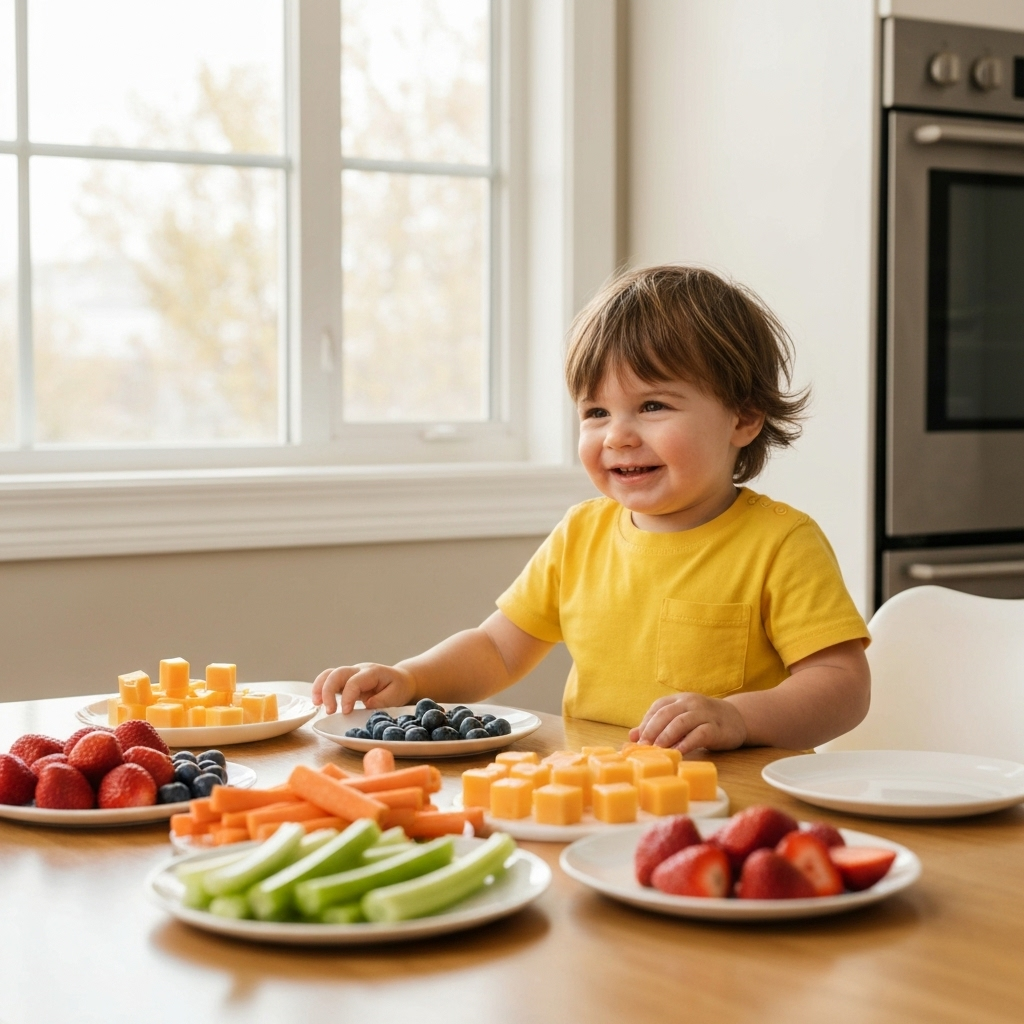
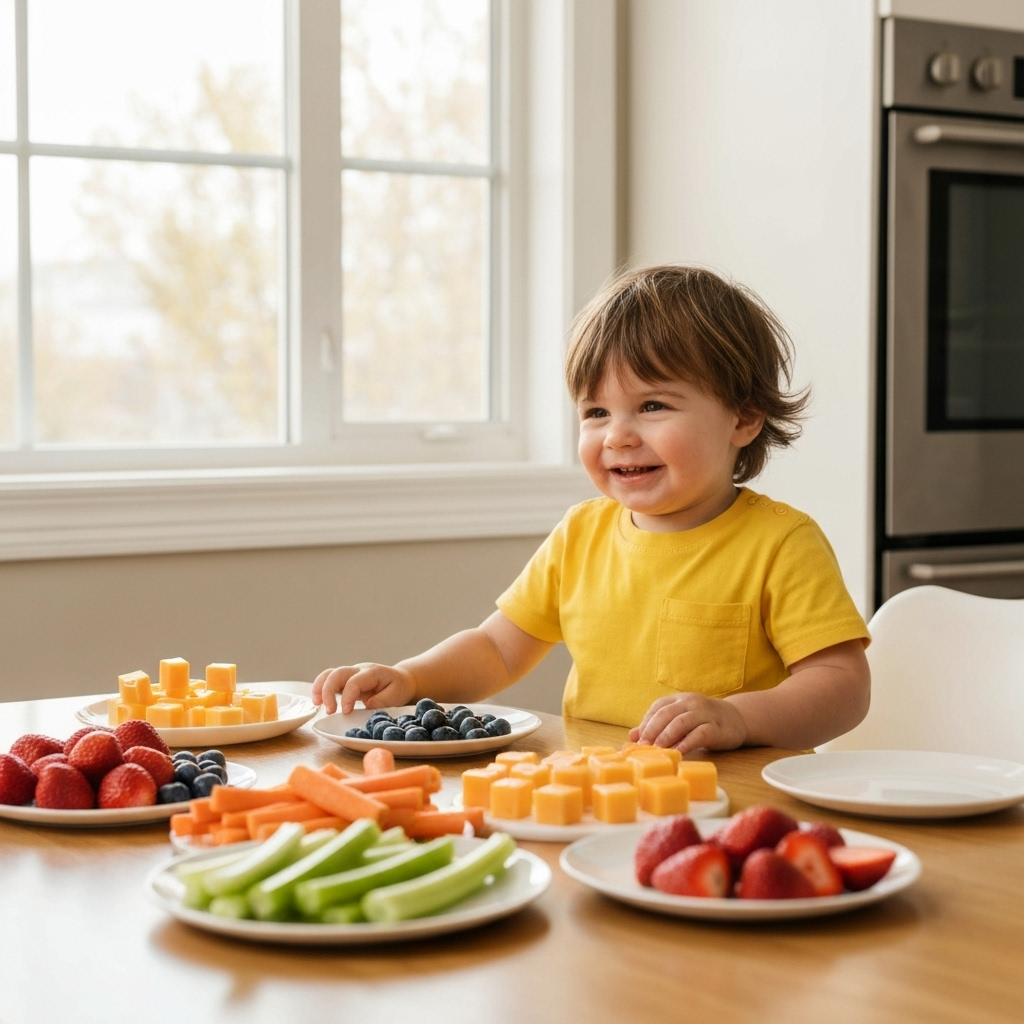
Key Highlights
Here are the main takeaways from our guide to healthy toddler snacks:
-
Snacks are vital for a toddler’s development, providing essential energy and nutrients between meals due to their small stomachs and high energy needs.
-
This blog offers numerous healthy snack ideas, from quick, no-cook options like fruit with yogurt to simple make-ahead snacks like mini muffins.
-
We provide specific strategies for encouraging picky eaters, such as making snack time fun and presenting food in creative ways.
-
Learn which key nutrients to prioritize, such as protein, fiber, and healthy fats, and which ingredients, like excess salt and sugar, to avoid.
-
You will find plenty of toddler snack ideas that are perfect for home, nursery, or day trips, along with tips for safe storage.
-
The guide includes allergy-friendly alternatives, ensuring there are safe and healthy snacks for toddlers with dairy or nut sensitivities.
Introduction
Welcome to your go-to guide for toddler snacking! We know that keeping a little one fed and happy can feel like a full-time job. Snack time is more than just a way to stop hunger. It’s a key chance to help your toddler grow and learn. But finding new, healthy snack ideas that your child will eat can be hard. This blog is here to help. We have easy, healthy, and kid-approved snacks to make snack time simple. Whether you need quick toddler meal ideas for busy days or fun ways to try new foods, you’ll find lots of ideas here. Let’s make every healthy snack a win!
Understanding Healthy Snacking for Toddlers
Figuring out healthy toddler snacks can seem hard, but it does not have to be. Snacks are more important for toddlers than for adults. This is because toddlers have small tummies and fast metabolisms. They need to eat more often to get the energy and nutrients their growing bodies need. A healthy snack is a great way to fill in any nutrition gaps between meals.
Choosing a good snack time option helps keep your toddler’s energy steady and supports their overall growth. When you pick snacks the right way, they can stop «hangry» meltdowns and help improve their hunger for main meals. In the next parts, we will look at why snacks matter so much and how to handle common problems you may face.
Why Snacks Matter for Toddler Development
Snacks are not just treats; they are important small meals for your toddler. Because toddlers have small bodies and even smaller stomachs, they can’t eat a lot at once. But they grow fast and use a lot of energy every day. That is why they need to eat more often than adults to get the extra nutrients they need.
Giving one or two planned snacks a day is a great way to add those extra nutrients. These small meals fill the gap between breakfast, lunch, and dinner. They make sure your child has the fuel to play, learn, and grow all day. Healthy snacks have important vitamins, minerals, protein, and healthy fats. These help with brain growth and bone health.
Having a set snack time also helps your toddler build good eating habits. It helps them know when they are hungry and when they are full. This stops them from eating all the time. It also helps them feel hungry at mealtimes. This way, they are more open to trying new foods. Snacks are a key part of your toddler’s daily nutrition plan.
Common Challenges Parents Face With Toddler Snacks
Dealing with snack time for young children can sometimes feel like a fight. One big problem is picky eaters. It is normal for toddlers to be picky about what they eat. This picky eating phase can make it hard to give them healthy snacks. You might make a nice, healthy snack, but they may not want to eat it.
Another problem is the timing and how often you give snacks. If snacks are given too much or whenever the child asks, it can mess up their natural hunger. This might cause them to snack all day and not feel hungry for meals like lunch or dinner. It is hard to find the right balance to stop hunger meltdowns but keep their appetite for mealtimes.
Parents often face some main problems with snacks. It is hard to make a good choice when you have little time or a picky child. Some common problems are:
-
A toddler not wanting to try new foods.
-
Handling requests for unhealthy, pre-packaged snacks.
-
Finding snacks that are healthy and easy to give.
-
Making sure snacks do not spoil mealtimes.
What Makes a Snack Healthy for Toddlers?
What makes a simple bite turn into one of the best healthy toddler snacks? It is about balance and quality. A truly healthy snack should give real nutrition, not just empty calories. This means choosing foods rich in important nutrients and from different food groups, like fruits, vegetables, whole grains, and proteins.
A balanced snack helps keep your toddler full and happy until their next meal. This often means mixing protein, healthy fats, or fiber. The NHS says it is also important to check what is in packaged foods. Reading labels for added sugars and salt can help you pick a better snack. We will look more at what to choose and what to avoid next.
Key Nutrients to Look for in Toddler Snacks
When choosing a snack, focusing on a few key nutrients can make a big difference in your toddler’s health. The goal is to select foods that provide lasting energy and support development. Nutrients like protein, healthy fats, and fiber are especially important because they help little ones stay fuller for longer, which can prevent আচরণ every 10 minutes.
Beyond keeping them full, certain nutrients are critical for this stage of rapid growth. Iron is essential for brain development, while calcium helps build strong bones and teeth. Healthy fats, like those found in avocado and nut butters, are also vital for your toddler’s brain. Including a variety of whole foods in their snacks is a great way to ensure they are getting these benefits.
You don’t need to be a nutritionist to build a healthy snack. Simply aim to include ingredients from the categories below. For example, pairing apple slices with almond butter or a piece of cheese with whole-grain crackers creates a balanced and satisfying snack. Items like oatmeal, broccoli, and peas are also excellent choices to work into their routine.
|
Nutrient |
Why It’s Important |
Healthy Snack Sources |
|---|---|---|
|
Protein |
Builds and repairs tissues, provides energy. |
Eggs, yogurt, cheese, beans, lentils, smooth nut butters. |
|
Healthy Fats |
Crucial for brain development and energy. |
Avocado, smooth nut butters, seeds, full-fat dairy. |
|
Fiber |
Aids digestion and promotes fullness. |
Whole grains (oatmeal, toast), fruits, vegetables (peas, broccoli). |
|
Calcium |
Builds strong bones and teeth. |
Yogurt, cheese, fortified plant milks, leafy greens. |
|
Iron |
Supports brain development and energy levels. |
Fortified cereals, eggs, beans, spinach. |
Ingredients to Avoid According to NHS Recommendations
What you leave out of your toddler’s snacks is just as important as what you include. Their taste buds are still growing, so foods high in sugar or salt can shape what they like for a long time. The NHS tells parents to watch out for these ingredients. They do not give good nutrition and can cause health problems.
Too much sugar is a big worry. Sugary snacks and drinks can cause tooth decay. They also add empty calories, which take the place of foods with good nutrients. This is true not only for obvious treats like a chocolate bar or sugary biscuits but also for hidden sugar in things like flavored yogurts and some breakfast cereals. Too much salt is not good for a toddler’s kidneys either. Processed foods often have a lot of salt. Some sauces and stock cubes can have a lot more salt than you might expect.
To keep your toddler’s snacks healthy, it is best to avoid or limit these ingredients:
-
Added Sugar: Limit sweets, biscuits, and sugary drinks. Choose naturally sweet fruit instead.
-
High Salt Content: Look at labels on packaged foods and do not add salt to snacks you make at home.
-
Saturated Fats: Many processed snacks have these, and they should be limited.
-
Whole Nuts: These can cause choking in kids under five. Use smooth nut butters instead.
-
Honey: Do not give this to kids under one year old because of the risk of botulism.
Getting Started: What You’ll Need for Healthy Toddler Snacks
Being ready is half the fight when it comes to healthy toddler snack ideas. When your toddler gets hungry, having the right tools and ingredients ready means you can make something good to eat in minutes. This is better than grabbing a less healthy package snack. You don’t need a fancy kitchen or hard-to-use tools. Just a few simple things can help a lot.
Keeping your fridge, freezer, and pantry full of go-to staples is the secret. This way, you will always have what you need for different toddler snack ideas. In the next parts, we will talk about the basic kitchen tools that make prep easier and the important ingredients to always have at home.
Essential Kitchen Equipment for Quick Preparation
You do not need to be a chef to make tasty and healthy snacks for your toddler. Just a few simple kitchen tools can help you prepare snacks quickly and easily. Having these tools ready can turn a hard task into an easy one, especially on busy days.
A blender is very useful. You can use it to make smoothies full of fruits and veggies. It also helps make smooth dips like hummus. A toaster is great for making toast fingers, toasted pittas, or crumpets in minutes. Even a microwave can be handy. You can warm up leftovers fast or steam small amounts of vegetables. Your fridge and freezer are also important. They keep ingredients fresh and store snacks you make ahead.
Here are some basic tools that will help you prepare snacks:
-
A Blender: Great for making smoothies, dips like hummus, and sauces with veggies.
-
A Toaster: Makes toast, pitta pockets, and crumpets quickly.
-
Small Containers and Reusable Bags: Good for storing and portioning snacks in the fridge or for taking on the go.
-
Muffin Tins: Useful for baking batches of sweet or savory muffins to freeze.
Staple Ingredients to Keep at Home
Sweet potatoes are very flexible and full of nutrients. They are great for making many snacks that toddlers will like. Peanut butter is a good way to add healthy fats and protein to snacks. Keeping whole nuts on hand gives a quick option for a balanced snack. Fresh fruits like apples and berries are great for fast and healthy snacks. Having yogurt or fromage frais ready gives young children a source of calcium and probiotics. These basic foods make it easy to prepare healthy and tasty snacks for your little ones.
Step-by-Step Guide to Preparing Healthy Snacks for Toddlers
Now that your kitchen has the right foods and you know what makes a snack healthy, let’s look at how to prepare them easily. Making a healthy snack does not need to be hard or take a lot of time. With a few easy steps, you can make food that is safe, tasty, and filling for your child.
This step-by-step guide will help you choose the best foods and make them look nice, even for kids who are very picky. By thinking about safety, keeping things simple, and making snacks look good, you can make snack time a fun moment. It will also be a good chance to try new foods. These healthy snack ideas will soon be your go-to choices.
Step 1: Selecting Age-Appropriate and Safe Foods
The first and most important step when making snacks is to make sure the food is safe for your toddler. Because their body is small and they are still learning to chew, choking is a big risk. Always think about your child’s age and skills when you choose and prepare snacks. For young toddlers, soft foods that are easy to mash are the best choice.
As toddlers get older, they can eat more types of food, but some foods still need care when you prepare them. Hard, round, or sticky foods are the most dangerous. For example, whole nuts and tough pieces of meat should never be given to children under five. Always watch your toddler when they eat. It is important to have them sit down because running or walking with food in their mouth can make choking more likely.
To make snacks safer, follow these simple tips:
-
Cut food into small, easy-to-chew pieces. For round foods like grapes and cherry tomatoes, cut them into quarters lengthwise.
-
Cook hard fruits and vegetables. Steam or roast things like carrots and apples until they are soft.
-
Give soft foods. Foods like mashed avocado, yogurt, and bananas work well for young toddlers.
-
Stay away from foods that cause choking. This includes whole nuts, popcorn, hard candies, and large dollops of smooth peanut butter.
-
Put thin layers of nut butters on snacks. Thick layers can be hard for a toddler to swallow.
Step 2: Simple Preparation Tips for Busy Parents
Let’s be real—most parents do not have a lot of time to cook. That is why quick and make-ahead plans are a big help. The trick is to find healthy snacks that do not take much work. Many good snacks, like fruit or a pot of yogurt, need no cooking at all.
For snacks that take a little more time, try to prepare in batches. Spend a bit of time on the weekend to get snacks ready for the week. You can wash and cut veggies, boil some eggs, or bake muffins. How you store these snacks is very important to keep them fresh. Use airtight boxes to keep chopped veggies and other snacks in the fridge. Your freezer is also helpful for keeping things like muffins, pancakes, or energy bites for a long time.
Here are some easy tips for busy parents:
-
Wash and chop in advance. Get carrot sticks, cucumber slices, and bell pepper strips ready and keep them in water in the fridge.
-
Use your freezer. Make a large batch of mini muffins or pancakes and freeze them for a quick snack on the go.
-
Rely on no-cook options. Combine cheese with crackers, fruit with yogurt, or hummus with pitta bread.
-
Portion things out. Put snacks in small containers so they are ready to grab when you need them.
-
Get your toddler involved. Even small hands can help with easy tasks like washing fruit or stirring yogurt.
-
Keep it simple. A healthy snack does not have to be fancy. A banana is a great snack!
Step 3: Presenting Snacks to Encourage Picky Eaters
If you have picky eaters, how you show a snack can be just as important as what you give them. Toddlers like to explore, and making food look fun is a great way to get them to try new things. Don’t worry if they don’t eat it the first time. Keep offering it. Next time, they might try it.
Making snack time like playtime can help a lot. Use cookie cutters to make fun shapes from toast, cheese, or fruit. You can also arrange food to look like a smiley face or a caterpillar. This small act of fun can catch your child’s eye and make them want to taste what you gave them.
This way, eating does not feel like a task. It becomes more fun for all. The goal is to help your child get used to new foods and feel good about trying them. Here are some creative ideas to make snack time great:
-
Use fun shapes. Cut sandwiches, fruits, or cheese with small cookie cutters.
-
Make fruit kebabs. Put colorful fruit pieces on a skewer for a «rainbow» snack.
-
Create funny faces. Use fruits and veggies to make a silly face on a rice cake or a slice of toast.
-
Offer dips. Toddlers love to dip! Serve veggie sticks with hummus or fruit slices with yogurt.
10 Nutritionist-Approved Healthy Snack Ideas
When it comes to feeding kids, having a list of go-to healthy snack ideas can make your life much easier. These snack ideas are simple, balanced, and approved by dietitians. They are designed to be filling and healthy, giving your toddler the energy to grow between meals.
These healthy toddler snacks are great for introducing new foods and textures in a way that feels familiar and friendly. Use this list to help plan your snack time each week. Many of these snacks are quick to make, while some can be prepared in batches to save time during the week. Let’s make snack time easy and tasty!
Fruit and Veggie Dippers
One of the best and healthiest snacks you can give is a colorful plate of fruit and veggie dippers. This snack has lots of vitamins and fiber. Dipping makes it fun and interactive for toddlers. You can serve raw veggies or lightly steamed ones, based on your child’s age and ability to chew.
There are many choices for dippers and dips. For dippers, try more than just carrots and cucumber. You can offer bell pepper strips, celery sticks, sugar snap peas, or steamed broccoli florets. For dips, hummus and guacamole are great, healthy options. You can also try a simple yogurt dip or mashed avocado.
This snack is a great way to help your toddler eat their five-a-day fruits and veggies. Here are some tasty combos to try:
-
Carrot and cucumber sticks with hummus.
-
Bell pepper strips with a yogurt-based dip.
-
Apple slices with smooth peanut butter.
-
Steamed broccoli or green peas with a cheesy dip.
-
Celery sticks with cream cheese.
-
Pear slices with a swirl of ricotta cheese.
Wholegrain Rice Cakes with Nut Butter
Wholegrain rice cakes with a thin spread of nut butter make a great snack for toddlers. They are easy to make and help keep your toddler full. This snack has a good mix of complex carbs, protein, and healthy fats. These nutrients give steady energy and keep your child happy until their next meal.
When picking your ingredients, choose plain wholegrain rice cakes. This gives more fiber and avoids added salt or sugar. For the topping, smooth peanut butter is used a lot. But other nut butters like almond or cashew work well too. If you want a nut-free choice, sunflower seed butter is very good. Always spread the butter thinly to keep it safe and avoid choking.
This snack is not just healthy but also can be changed up in many ways. Here are some options:
-
Classic: A wholegrain rice cake with a thin layer of smooth peanut butter.
-
Fruity: Add mashed banana or berries on top of the nut butter.
-
Sprinkled: Sprinkle some chia seeds or hemp hearts on top for an extra nutrient boost.
Mini Cheese and Oat Muffins
If you want a tasty and healthy snack that you can prepare ahead, mini cheese and oat muffins are a great choice. These small muffins have good ingredients like oats and cheese. They give you fiber and protein. They are filling enough to stop hunger until your next meal. They work well as a snack in the mid-morning or afternoon.
What makes these muffins very handy is that you can bake a big batch on the weekend. Then, keep them in the fridge or freezer. When you want a quick snack, just take one out. You can also add finely grated veggies like carrots or zucchini to make them even healthier.
These muffins are a good way to give a savory snack that kids like and that is healthy. Here is why they are a smart pick:
-
Make-Ahead Friendly: Bake many and freeze them for snacks you can grab easily.
-
Nutrient-Dense: Cheese and oats give you protein, calcium, and fiber.
-
Customizable: Add different veggies or herbs to change the taste.
Yoghurt Pots with Fresh Berries
Yogurt pots with fresh berries are one of the easiest and most healthy snack ideas for your toddler. This snack has a great mix of protein and calcium from the yogurt. It also has vitamins and fiber from the fruit. It is a refreshing and filling choice that your child can enjoy at any time of the day.
When you pick yogurt, go for a full-fat, plain kind to avoid added sugar. Plain Greek yogurt or fromage frais work very well. You can naturally sweeten it by mixing in mashed berries or a little unsweetened applesauce. This way, you control the sugar while keeping it tasty for your little one.
This snack is very easy to change up and use in different ways. Here are some ideas to try:
-
Berry Swirl: Mix mashed strawberries or raspberries into plain yogurt.
-
Layered Pot: Make layers of yogurt and whole or sliced berries in a clear cup for a fun look.
-
Topped with Oats: Add some oats or chia seeds for more crunch and fiber.
-
Mixed Fruit: Use a mix of different berries or soft fruits like diced peaches.
Sliced Boiled Eggs on Toast Fingers
Sliced boiled eggs on whole-grain toast fingers make a great snack for toddlers. Eggs have high-quality protein, iron, and healthy fats. These nutrients are very important for your toddler’s growth and brain development. Toast adds fiber, making this snack filling. It will help keep your child’s energy up until their next meal.
This snack is also easy to prepare ahead of time. You can boil some eggs at the start of the week and store them in the fridge. When it is snack time, just peel and slice an egg and make some toast. It is a simple and mess-free snack that works well at home or packed in a lunchbox.
This mix of eggs and toast is a great way to give a healthy and filling snack.
-
Highly Nutritious: Eggs offer protein, iron, and choline.
-
Filling: Protein from eggs and fiber from toast make this snack very satisfying.
-
Easy to Prepare: Boil eggs ahead to make snack time quick and easy.
Allergy-Friendly Snack Suggestions for Toddlers
Dealing with food allergies can make snack time a bit harder. But this does not mean your toddler must miss out on tasty and healthy snacks. With some easy swaps and fun ideas, you can offer snacks that are safe for common allergies like dairy and nuts.
The trick is to pick whole foods that do not have allergens. Also, know which foods work well as replacements. Whether you want dairy-free or nut-free snack ideas, there are many healthy snack options to try. The next parts will give you tips to make safe and tasty snacks for your little one.
Dairy-Free Snack Alternatives
If your toddler cannot eat dairy because of an allergy or intolerance, finding creamy and tasty snacks may seem hard. But, there are many great dairy-free choices. Many healthy snacks made from whole foods do not have dairy. So, you can easily find good options.
Avocado is a great dairy-free food. It has a creamy feel and healthy fats. You can mash avocado on toast, cut it in slices, or add it to a smoothie. Hummus, made from chickpeas, is another good choice. It goes well with veggie sticks or crackers. Snacks made from beans or lentils also offer protein without dairy.
If you want a yogurt substitute, try coconut yogurt or other plant-based yogurts. Make sure to pick one without added sugar. Here are some easy dairy-free snack ideas:
-
Avocado Toast: Mashed avocado on whole-grain toast fingers.
-
Hummus and Dippers: Serve hummus with cucumber sticks, bell pepper strips, or rice cakes.
-
Fruit and Coconut Yogurt: A bowl of unsweetened coconut yogurt topped with fresh berries.
-
Roasted Chickpeas: A crunchy, savory, and protein-packed snack.
Nut-Free Snack Options
For toddlers who have nut allergies, keeping snacks safe is very important. This is especially true for food eaten at nursery or school. Luckily, there are many tasty and healthy snacks without nuts. The goal is to find ingredients that give the same benefits as nuts, like protein and healthy fats, but from safe sources.
Seeds and seed butters are great nut-free options. For example, sunflower seed butter can be used like peanut butter. You can spread it thinly on toast, rice cakes, or apple slices. Roasted pumpkin or sunflower seeds make a crunchy snack for older toddlers who can chew well. Yogurt, cheese, and oat bars made in places that don’t use nuts are also good choices.
Fruits and vegetables are always a safe and healthy choice. Here are some easy snack ideas that have no nuts:
-
Seed Butter and Fruit: Apple slices or a banana with sunflower seed butter.
-
Yogurt and Fruit: A pot of plain yogurt with berries.
-
Cheese and Crackers: Slices of cheese with whole-grain crackers.
-
Homemade Oat Bars: Make oat bars at home with seeds and dried fruit to make sure they have no nuts.
Healthy Snacks for Toddlers On the Go
Life with a toddler means you are often moving around. It could be a trip to the park, a day at nursery, or a long car ride. Having snack ideas that are easy to take with you is very helpful. These snacks keep your little one happy and fed when you are not at home. The best travel snacks do not make a mess, are easy for small hands to hold, and do not need to be kept cold.
Planning ahead can help you avoid buying less healthy convenience foods. Next time you go out, pack some of these simple snacks. In the next parts, we will share some great snack ideas for travel. We will also give tips on how to pack them safely for any trip.
Portable Snack Ideas for Nursery or Day Trips
When you are out, the best snacks are simple, easy to eat, and do not make a big mess. Bringing your own portable snacks helps your toddler have a healthy choice. It fills the time between mealtimes no matter where you go. This is very important for long travel days or busy afternoons running errands.
Think about foods that stay good without a fridge and are easy to eat. Whole fruits like bananas and apples are popular for a good reason. For other snacks, small containers help keep them fresh and neat. Mini muffins, crackers, and chopped veggies are all good options to pack.
Here are some parent-approved, portable snack ideas perfect for any trip:
-
Whole or Sliced Fruit: Bananas, apples, or peeled satsumas.
-
Dry Cereal or Plain Rice Cakes: Easy for little fingers to hold.
-
Mini Muffins or Oat Bars: Make some ahead for a clean, tasty snack.
-
Cheese Sticks or Cubes: A good protein source that works well for short trips.
-
Veggie Sticks: Carrot, cucumber, or bell pepper sticks in a small container.
-
Fruit/Veggie Pouches: A handy, no-mess option. Just pick ones with no added sugar.
Safe Storage and Packaging Tips
Keeping snacks fresh, safe, and easy to eat when you are on the go means using the right storage and packaging. The right container stops bananas from getting squished and crackers from turning soggy. This makes snack time away from home better for everyone. Buying a few good reusable containers is a smart first step.
For foods that need to stay cool, like yogurt or cheese, use an insulated lunch bag with a small ice pack. For dry snacks, small, light containers or reusable silicone bags work well. You can also freeze some items, like smoothies in reusable pouches or yogurt tubes. These will thaw by snack time and help keep other snacks cool in the bag.
Safe storage starts at home. Keep pre-chopped veggies in an airtight container in the fridge to keep them fresh. Muffins and other baked goods can go in the freezer and be taken out when needed. Here are some tips for packaging snacks:
-
Use Small, Airtight Containers: These help portion snacks and stop spills.
-
Invest in an Insulated Lunch Bag: This keeps foods like yogurt and cheese cool and safe.
-
Try Reusable Pouches: A good eco-friendly choice for smoothies or applesauce.
-
Freeze It: Freeze yogurt tubes or homemade muffins so they are ready and thaw by snack time.
Fun and Appealing Snacks for Picky Toddlers
If you have picky eaters at home, you know it can be hard to get them to try new foods. A little creativity can help a lot. Making snacks look fun and nice can catch your toddler’s attention. This can help them take that first brave bite.
The goal is to make snack time fun and easy. When food looks playful and fun, it feels less scary. The next sections will give you tips on how to serve fruits and veggies in a fun way. They will also show how to make snack time better for everyone.
Creative Ways to Serve Fruits and Vegetables
Getting toddlers to eat fruits and vegetables can be hard sometimes. But a fun and creative way can make these healthy foods more exciting for them. Instead of just putting slices on a plate, try making them playful and nice to look at.
One easy trick is to change the shape of the food. Use small cookie cutters to cut fruit, cheese, or soft veggies into stars, hearts, or animal shapes. Another good idea is to serve food on a stick. Thread bright pieces of fruit onto a skewer to make a «fruit kebab» or «rainbow stick.» This can make the food look more fun.
You can also add fruits and veggies to other dishes. Blend spinach into smoothies or put shredded carrots in pancakes. Here are some more fun ideas:
-
Make Funny Faces: Use fruit and vegetables to make a smiley face on a rice cake or pitta.
-
Cucumber Caterpillars: Thread cucumber slices and cherry tomato halves on a skewer.
-
Watermelon «Lollies»: Cut watermelon into wedges and put a popsicle stick in each.
-
Offer a Dip: Serve veggies with tasty dips like hummus or yogurt to make toddlers want to try them.
-
Blend Them In: Add veggies to smoothies, pasta sauces, or muffins.
-
Serve Frozen Fruit: Frozen berries or mango chunks are fun to eat and can help soothe teething toddlers.
Making Snack Time Enjoyable
Besides the food itself, the mood around snack time can really affect your toddler’s eating habits. Making snack time fun and positive can help reduce fussiness and build a good feeling about food. A regular routine is a good place to begin. Offering snacks at about the same time each day helps your child know what is coming.
Getting your toddler involved in making snacks is another way to make it more fun. Let them do simple tasks like washing fruit, stirring yogurt, or picking their snack from a few healthy choices. This can make them feel proud and more excited to eat what they helped make.
Try to make snack time a time to connect. If you can, sit down and eat a snack with your child. This makes snack time a family moment, not just a task. Here are some tips to make it better:
-
Establish a Routine: Give snacks at a set time and place, like the kitchen table.
-
Involve Your Child: Let them pick and help make their snack.
-
Eat Together: Show healthy eating by having a snack with them.
-
Keep it Low-Pressure: Don’t force them to eat. Let them try food at their own speed.
Expert Tips for Safe and Nutritious Toddler Snacking
When it comes to giving snacks to toddlers, safety and nutrition must be the main focus. There are many healthy snack ideas out there. But it is very important to prepare and serve these snacks in a way that keeps your little one safe. This means watching out for choking hazards and keeping an eye on how much sugar and salt they eat.
You can trust expert advice from groups like the NHS and dietitians. Their tips help you feel sure that you are picking the best snacks for your child. In the next parts, we will share important safety tips to lower the risk of choking. We will also give useful advice on how to handle sugar and salt at snack time.
Reducing Choking Risks
For parents of young children, choking is a big worry, and for good reason. Toddlers are still learning how to chew and swallow well. This puts them at a higher risk. The best thing you can do is to watch your child closely while they eat. Make sure they sit down. Eating while walking, running, or playing can increase the risk a lot.
The size and shape of food matter a lot too. Hard, round, and sticky foods can cause choking. Cutting food safely can help a lot. For example, grapes, cherry tomatoes, and large berries should be cut lengthwise into quarters. Hard foods like raw carrots or apples should be grated or cooked until they are soft.
It is very important to know which foods have a high risk of choking. You should prepare these foods safely or avoid them. Here are some important tips to lower the chance of choking:
-
Avoid Whole Nuts: Do not give whole nuts to children under five years old.
-
Cut Round Foods: Quarter grapes and cherry tomatoes. Cut hot dogs lengthwise, then into small pieces.
-
Cook Hard Vegetables: Steam or roast hard veggies like carrots and broccoli until soft.
-
Grate Hard Fruits and Veggies: Grate raw apples and carrots.
-
Spread Nut Butters Thinly: A thick spoon of peanut butter can cause choking.
-
Avoid Popcorn and Hard Candies: These are not safe for toddlers.
Managing Sugar and Salt Intake
Managing sugar and salt intake is very important for healthy toddler snacks. The NHS says that young children do not need any added sugar or salt in their food. Their taste buds are still growing, and if they get used to very sweet or salty flavors, they might want those tastes as they grow older.
For sugar, whole fruit is the best choice. It gives fiber and vitamins too. Try to limit sugary snacks like biscuits, cakes, and the occasional chocolate bar. Watch out for hidden sugars in packaged foods such as flavored yogurt, cereals, and sauces. Reading labels helps you find and avoid these extra sugars.
Too much salt is also bad for a toddler’s kidneys. Do not add salt when you cook at home. Check the sodium level on packaged snacks as well. Here are some easy tips to keep sugar and salt low:
-
Choose Whole Foods: Give fruit, vegetables, and plain yogurt instead of processed snacks.
-
Read Labels: Look for added sugar and salt on packaged items.
-
Swap Sugary Drinks: Offer water or milk instead of juice or sweetened drinks.
-
Cook at Home: Making snacks yourself lets you control what is in them.
Conclusion
In short, giving healthy snacks to toddlers is very important for their growth and health. If you know what nutrients your child needs and face common problems, you can make many tasty and healthy snacks they will like. Always focus on the right nutrients, stay away from bad ingredients, and offer snacks in fun and creative ways to help picky eaters enjoy them. Your work to encourage good eating habits can help build a strong base for healthy eating in the future. If you have any questions or want advice made just for you, feel free to ask. Happy snacking!
Frequently Asked Questions
What are some snacks for toddlers that don’t require cooking?
There are many easy, no-cook snack ideas that work well for busy days. Fresh fruit like bananas, berries, or apple slices is always a good choice. You can have them with plain yogurt or a thin layer of nut butter. Raw veggies like cucumber sticks or bell pepper strips with hummus are also a great, healthy option. These snacks are quick to put together and filling enough to keep your toddler satisfied until their next meal.
How do I know if a snack is safe for a 1-year-old?
For 1-year-olds, safe foods are soft and easy to mash. They should be cut into small pieces to lower the chance of choking. Young toddlers have a small body size and are still learning how to chew well. A healthy snack should be simple to swallow. Good choices are mashed avocado or banana, plain yogurt, and soft vegetables that are steamed well. Avoid hard, round foods like whole nuts or grapes unless you cut them into small, long pieces. Always watch children closely during snack time.
Are packaged snacks healthy for toddlers?
Many packaged snacks are sold for toddlers, but not all of them are healthy. The NHS says it is important to check the labels for too much sugar and salt. Try to pick snacks with simple ingredients that come from whole foods and have few additives. Healthier snack ideas include plain rice cakes, pouches with only fruit or vegetables, and unsweetened yogurt tubes. When you choose packaged snacks, try to give no more than two per day. It is better to choose homemade or whole-food healthy snack ideas when you can.
What can I offer my toddler if they have food allergies?
If your toddler has food allergies, there are many safe and healthy snack ideas you can try. For a dairy-free diet, you can offer avocado, hummus, or snacks made with coconut yogurt. If you need nut-free options, seed butters like sunflower seed butter, cheese, seeds, and fruit work well. Always check labels carefully to watch for any cross-contamination warnings. Choosing foods that are naturally free from allergens, like fruits, vegetables, and lean proteins, is a good way to make healthy snacks that are safe and tasty.