Key Highlights
-
Cultural Phenomenon: Black Panther transcends the superhero genre, becoming a global phenomenon celebrating Afrofuturism, representation, and black excellence.
-
Critical and Commercial Success: The film garnered widespread critical acclaim, earning numerous accolades, including three Academy Awards, and smashing box office records.
-
Stellar Cast and Direction: Director Ryan Coogler’s masterful vision is brought to life by an exceptional cast, including Joe Robert Cole, the late Chadwick Boseman, Lupita Nyong’o, and Danai Gurira.
-
Impactful Themes: Beyond the action, the film explores complex themes of identity, responsibility, and the African diaspora’s experience.
-
Lasting Legacy: Black Panther’s influence extends beyond the screen, sparking conversations about representation, diversity, and social justice.
Introduction
The power of Black Panther is felt across the Marvel Cinematic Universe in the United States and beyond. It is more than just a superhero movie; it is a cultural moment that sparked discussions and celebrations of Afrofuturism and black excellence. The impact of this film is clear. It broke box office records and received praise from critics. It also made a lasting impression on the superhero genre and society as a whole.
The Legacy of Black Panther
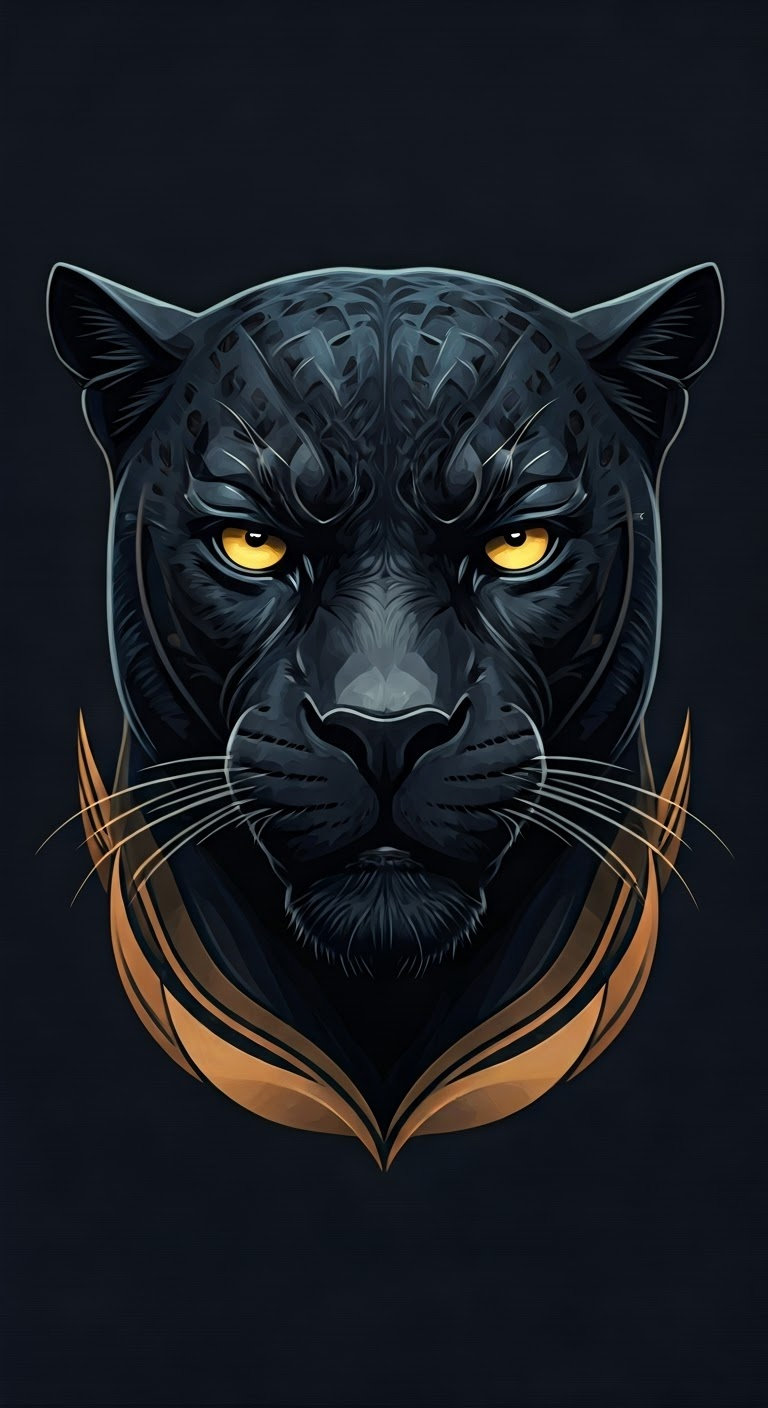
Black Panther became a vital symbol of representation. It showed the strength, brains, and beauty of black characters in a world where diversity is often missing. The film provided young black people with heroes who resembled them. This challenged Hollywood’s long-standing lack of representation.
The movie also brought the fictional African nation of Wakanda to life. This place is a tech-savvy paradise and offers a strong contrast to many negative views about Africa. Black Panther created a world where black people could control their own futures, inspiring viewers all around the globe.
Cultural Impact and Significance
Black Panther has a strong link to the history of Black empowerment and the fight for equality during the civil rights era. Like the civil rights movement, the film took a direct stand against racism and supported Black liberation through its themes of representation and social justice.
For African Americans, the film was an important moment of pride. It honored Black culture, traditions, and achievements, showing a hope for a future where Black success is normal.
Additionally, Black Panther went beyond just being a film. It started important conversations about race, identity, and what we owe to each other. The movie encouraged people to think deeply about these issues, leading to self-reflection and challenging old beliefs.
Tributes to Chadwick Boseman
Chadwick Boseman played T’Challa, the Black Panther, in a way that was strong, noble, and very touching. His acting connected with audiences and made him a film legend. When he passed away in 2020, people all over the world felt a deep loss.
Many tributes came from the entertainment world and beyond to celebrate Boseman’s life as an actor and activist, including recognition of his contributions alongside historical figures like John Lewis. In Los Angeles and across the globe, murals were created to honor him as the Black Panther.
-
Fans held screenings and events to recognize his life and work.
-
Marvel Studios and Disney celebrated how he impacted the MCU.
-
His memory still motivates artists, activists, and people everywhere.
The Making of Black Panther
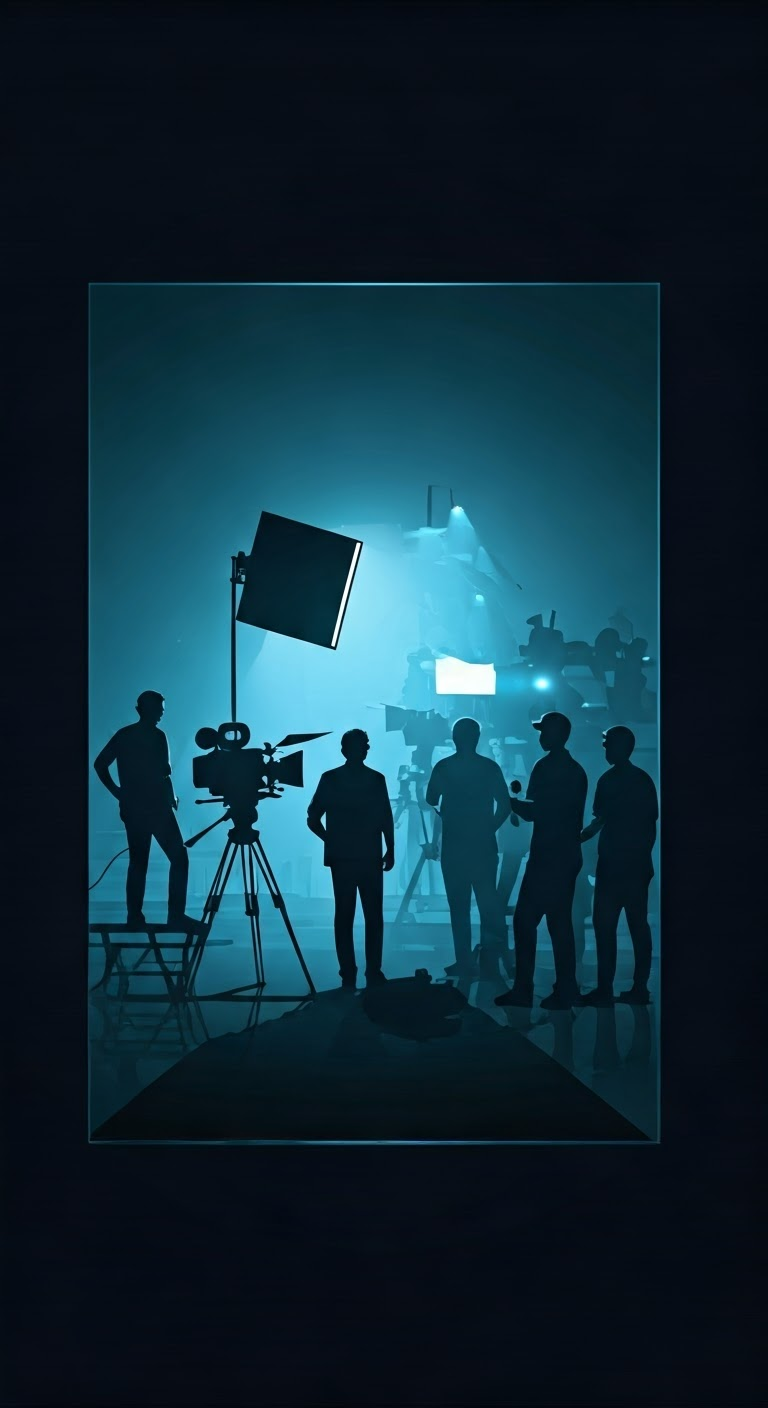
Bringing Wakanda to life took a strong vision and a lot of hard work from a talented group. Every part of the film, from the beautiful set and costumes to the amazing visual effects, was carefully made.
The stories from behind the scenes show the hard work and love put into making this important film. Black Panther’s success shows what can happen when people work together, have a vision, and tell a great story.
Vision and Direction by Ryan Coogler
Director Ryan Coogler’s unique vision was key to the success of Black Panther. He took ideas from the comics and added his own life experiences. This made a film that was not only beautiful to see but also rich in meaning.
His earlier movies, Fruitvale Station and Creed, showed Coogler’s skill in showing deep characters and themes of identity and social justice. In Black Panther, these strengths grew even more. This raised the film above usual superhero stories.
Coogler paid great attention to every part of the film, including the casting of Andy Serkis. This included who was chosen to act and the feel of the film. His skill to mix exciting action with thoughtful ideas about culture, politics, and personal issues shows how talented he is as a director.
Crafting Wakanda: Set and Costume Design
Wakanda is the hidden African nation in Black Panther that came to life with amazing set and costume design. Every little detail, from the modern buildings to the beautiful beadwork and fabrics, helped create its special look.
Production designer Hannah Beachler took ideas from traditional African buildings and mixed them with a futuristic style. This made Wakanda feel unique. The sets were not just backgrounds; they were full environments showing the nation’s tech skills and rich culture.
Ruth E. Carter also made costumes that were very important. She looked at many different African cultures to design costumes that were eye-catching and told a story. Each outfit showed who the character was, their position, and their role in Wakandan society.
The Challenges of Filming
Creating a superhero movie like Black Panther came with many challenges. The team had to coordinate complex action scenes and show the lively spirit of Wakanda. This meant they dealt with a lot of practical and creative problems.
The film needed new ideas for filming. This pushed the limits of visual effects and stunt work. Coogler and his team used the latest technology to bring their ideas to life. They mixed real effects with CGI in a smooth way.
Also, the film’s cultural importance added extra responsibility. The filmmakers knew it was vital to portray Black characters and culture with respect and accuracy. They handled these expectations with care and thoughtfulness.
The Cast of Black Panther
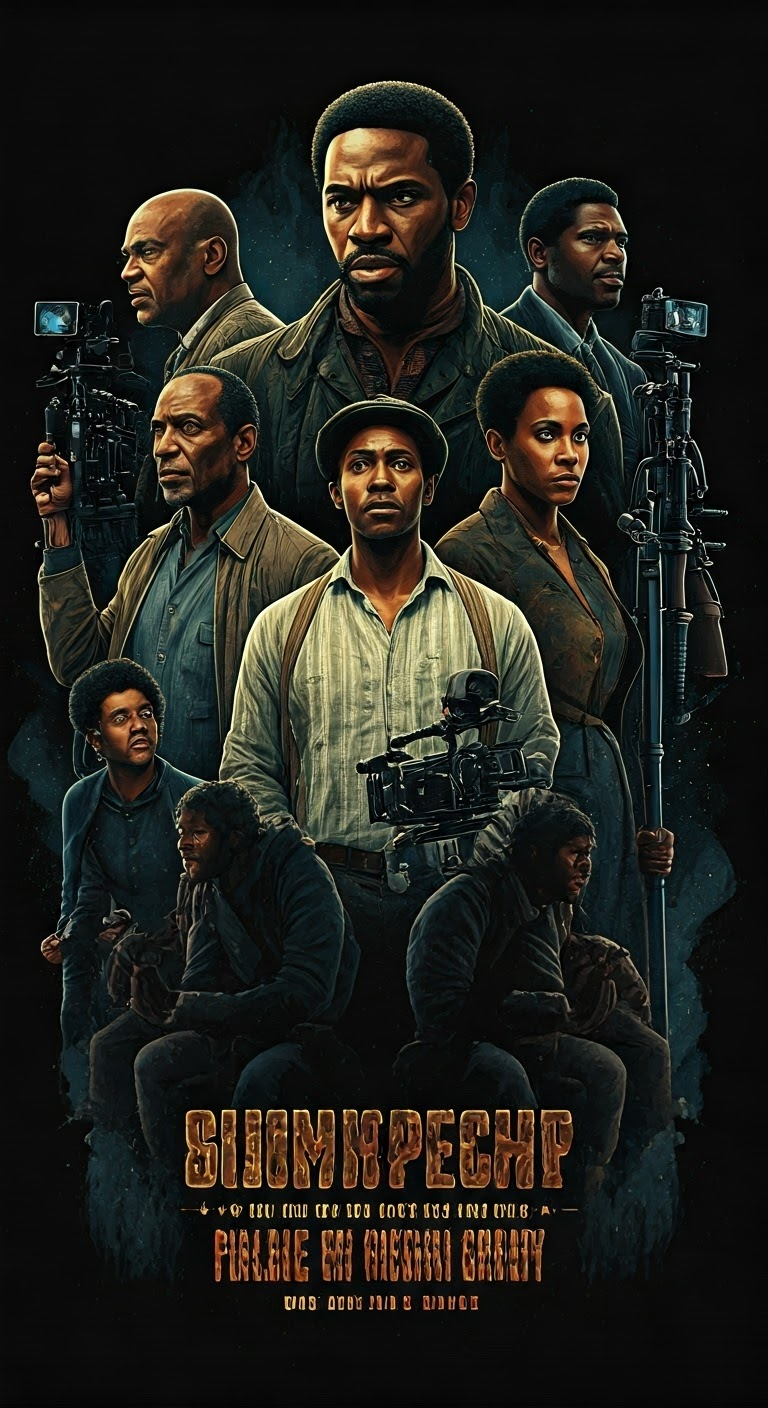
Black Panther had a highly skilled and diverse group of actors. Each person brought their character to life. This included seasoned actors like Forest Whitaker and new talents like Letitia Wright. They all gave strong and unforgettable performances.
The connection between the actors was clear. It created a feeling of family and community that really touched the audience. The strong cast helped make the film more than just another superhero story. It turned into an engaging movie experience.
Key Characters and Their Portrayals
Chadwick Boseman played T’Challa. He showed the heavy responsibility and traditions of being King of Wakanda. Lupita Nyong’o brought elegance and sharp intelligence as Nakia. She was a skilled spy and loved T’Challa.
Letitia Wright shined as Shuri, T’Challa’s younger sister. She was great at technology and added humor to the story. Executive producer Nate Moore emphasized Wright’s role in portraying Shuri. Danai Gurira showed strength and loyalty as Okoye. She led the Dora Milaje, Wakanda’s all-female special forces.
All the characters contributed to the film. Michael B. Jordan’s Erik Killmonger had depth as an antagonist. Winston Duke’s M’Baku was also powerful. Their relationships and conflicts moved the story forward. Together, they explored family, duty, and what it means to lead.
New Faces in the Sequel
The loss of Chadwick Boseman created a big gap for fans and the film. However, the sequel introduced exciting new characters and gave more depth to the ones we already know. Fans were eager to learn about the new Black Panther.
The sequel also let other characters shine. For example, Daniel Kaluuya’s W’Kabi, who had a tough time with loyalties in the first film, faced the results of his actions and showed great growth.
New characters brought different viewpoints and added new energy to the story, which made Wakanda richer. They honored Boseman’s legacy while also moving the story forward in strong ways.
Guest Appearances and Cameos
The excitement around Black Panther came from its tie to the larger MCU, especially with connections to characters from the Disney+ miniseries The Falcon and the Winter Soldier. Guest appearances and cameos connected Wakanda to the superhero world. Martin Freeman added some humor as Everett K. Ross, a CIA agent caught up in Wakanda’s troubles.
These brief cameos reminded everyone that Wakanda was now part of a bigger story. It was no longer just its own nation, but an important player in the world. This connection in the MCU created more interest among fans. They were eager to see how the events in Black Panther would affect the story going forward.
Additionally, these appearances suggested chances for future teamwork and crossovers. This opened up new storytelling possibilities in the MCU. Fans began to wonder about which characters might come together in future films, building excitement for what comes next in the franchise.
The Storyline Evolution
Black Panther’s story combined superhero action with real character drama and important themes. At its heart, the movie was about family legacy, responsibility, and finding where you belong in life.
The sequel kept exploring these themes. It dealt with the pain of loss and the struggle to move ahead despite challenges. It looked more closely at the layers of Wakanda’s society, its history, traditions, and its role in a fast-changing world.
Recap of the First Film
The first Black Panther movie introduced us to T’Challa. He became king of Wakanda, a high-tech African nation that is hidden from the world. After the death of his father, T’Challa faced his cousin, Erik Killmonger, who was also aware of the black-market arms dealer Ulysses Klaue. Killmonger challenged his rule and wanted to use Wakanda’s resources to fight back against those who oppressed their people.
The film looked at ideas like staying isolated versus working with the world, keeping traditions versus pushing for progress, and the effects of colonialism. T’Challa struggled with his duties to his country and to the larger world.
The phrase «Wakanda forever» became famous. It stood for the strength, pride, and desire of the nation to shape its own future.
Themes and Messages in the Sequel
The movie, Black Panther: Wakanda Forever, looked at feelings of loss, strength, and taking care of one’s legacy even during hard times. It picked up where the first film left off, showing how Wakanda faced new dangers that made them rethink their role in the world.
This film was a deep reflection on how to respect the past while looking towards the future. It talked about the struggles of being a leader, how important it is to stick together, and the lasting power of community.
Wakanda once more stood as a sign of hope and strength, showing how an African nation can remain strong through tough times and shape its own future.
Connecting to the Marvel Cinematic Universe
Black Panther played an important role in the larger MCU even before the first movie. T’Challa’s debut happened in Captain America: Civil War, where Bucky Barnes was introduced. This introduced Wakanda and prepared for its bigger part in later films.
The events in Avengers: Infinity War greatly affected Wakanda. They became directly involved in the battle against Thanos and his army. This connection made Wakanda even more important in the MCU and opened the door for their ongoing role in future stories.
The effects of these events, like the loss of important characters, echoed throughout Black Panther: Wakanda Forever. This showed how connected the MCU is and how one film’s events can affect another.
Black Panther’s Soundtrack and Musical Score

Black Panther’s soundtrack, put together by Kendrick Lamar, became very popular. It skillfully mixed hip-hop, R&B, and traditional African music, matching the film’s energy and themes well.
The score, created by Ludwig Göransson, combined orchestral sounds with African beats and instruments. This made a sound experience as rich and lively as Wakanda. Together, the soundtrack and score made the film even more impactful and pulled audiences deeply into the world of Black Panther.
Collaborations with Artists
Kendrick Lamar played a big role in making the soundtrack a success. He didn’t just show off his musical skills; he created a complete experience. The album mixed well-known artists with new talents, highlighting the variety in Black music.
Working with artists like SZA, The Weeknd, and Travis Scott, he helped create popular songs that did well on music charts around the world. Each track connected closely to the film, enhancing its themes and feelings.
The soundtrack stood as a symbol of Black greatness, uniqueness, and cultural pride. It became important not only for the film but also sparked discussions in music, fashion, and cultural expression across the globe.
Influence of African Music
The music for the film was created by Ludwig Göransson, and it drew a lot from African music. Göransson spent time learning about the various musical styles on the continent. He worked with local musicians and added traditional instruments to his work.
Instruments like the talking drum, kora, and fula flute made the music feel real and emotional. These unique sounds, which are often missing in typical Hollywood films, brought extra richness to the soundtrack of Black Panther.
By using African musical parts, the film moved away from Hollywood’s usual way of making music for movies set in Africa. It honored the diverse heritage of the continent and showed its role in global music.
Memorable Tracks from the Movie
The Black Panther soundtrack had many great songs that quickly became classics. «All the Stars,» the main single with SZA, captured the movie’s messages of hope, goals, and reaching for dreams.
Kendrick Lamar’s «Black Panther» became a strong anthem of self-belief and strength. It was full of energy and matched the film’s message. The lyrics combined social messages and cultural ideas, which connected well with listeners.
Other amazing tracks, like «Pray for Me» with The Weeknd and «King’s Dead» featuring Jay Rock, Future, and James Blake, showed the variety in the album. Lamar could create music that was both popular and meaningful.
Visual Effects and Action Sequences
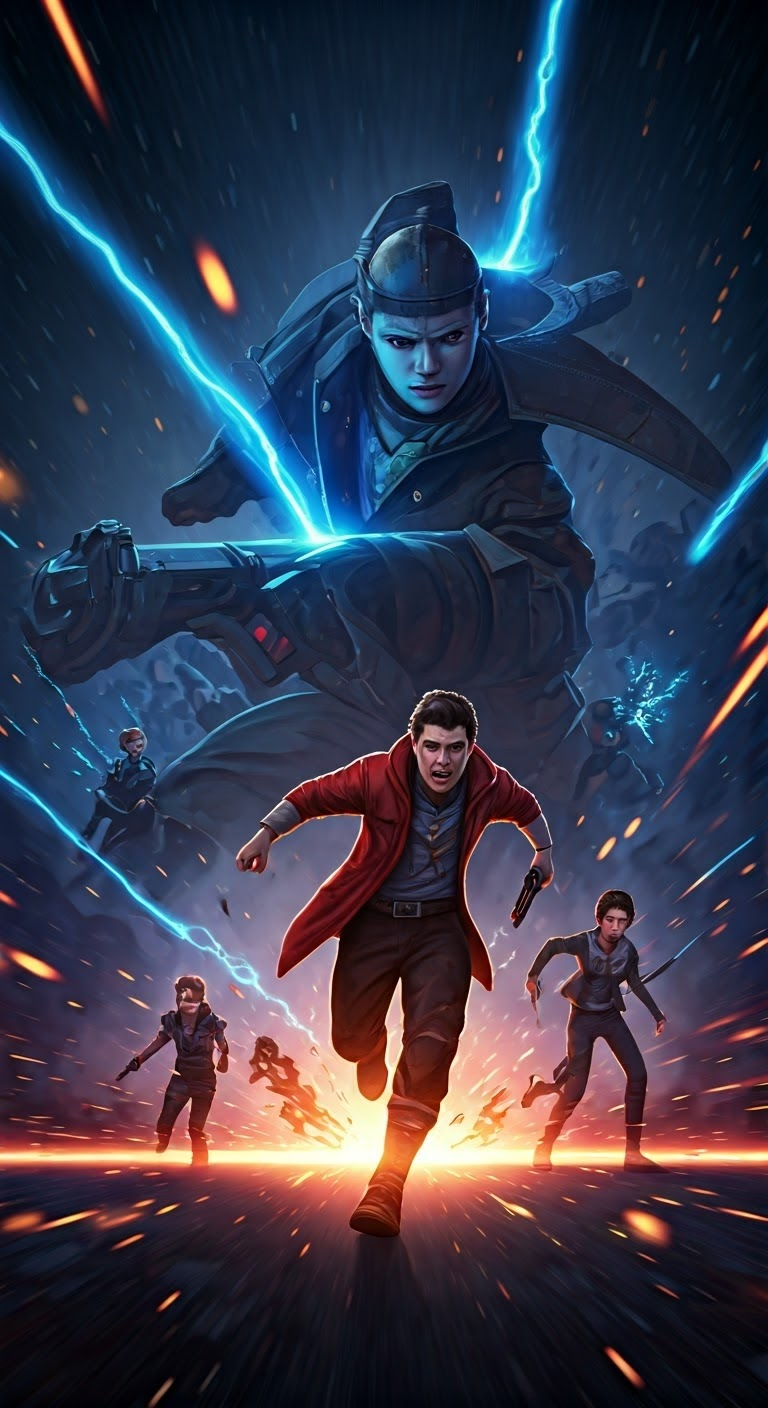
Black Panther set new standards for visual effects in superhero movies. Wakanda, known for its advanced technology and beautiful scenery, was brought to life with amazing CGI that worked well with real effects.
The action scenes were fresh and exciting. They combined classic martial arts with sophisticated Wakandan tech. The fight choreography was smooth yet fierce, highlighting the power, speed, and skill of the warriors.
Innovations in CGI
The visual effects team used advanced CGI to make Wakanda look unique. They created impressive towers in the Golden City and special vibranium suits. This CGI improved the film’s visuals but did not take away from the main human story.
A standout feature was the creation of the Black Panther suit. With CGI, the suit moved as if it had its own life, reacting perfectly to T’Challa’s actions. This added excitement to the action scenes, making Black Panther a strong character on screen.
These innovations were not just for show. They helped build the world of Wakanda. The CGI made a complete Afrofuturistic society, encouraging viewers to dream of new ideas and rethink traditional sci-fi images.
Choreography of Action Scenes
The action scenes in the film were more exciting than your usual superhero fights because of the smart and lively choreography. Fight coordinator Jonathan Eusebio used many martial arts styles, like capoeira, wushu, and judo, to build a unique fighting style for the Wakandan warriors.
These scenes were not just about strong moves; they were like dances of skill and care. Every move had a reason, showing the fighters’ talent, quickness, and cleverness.
The choreography also showed character and story. For example, Okoye’s way of fighting, using her vibranium spear with amazing skill, showed the Dora Milaje’s discipline and loyalty.
Behind the Scenes of the Most Iconic Fights
One of the most famous battles in Black Panther happened in a South Korean casino. It showed how quick and agile the Black Panther suit is, along with Nakia’s strong fighting style. This fight used intricate stunts, careful choreography, and smooth CGI to create an exciting and visually stunning experience.
Another significant fight took place in Wakanda’s ancestral plane. This scene focused less on physical battles and more on emotional and spiritual struggles. It was filled with bright visuals and special effects, taking viewers to a different world while showing the internal conflicts of the characters.
These behind-the-scenes details show the hard work and artistic skill that went into making Black Panther’s action scenes. They were not just fights; they were carefully designed stories that moved the plot forward. They also highlighted the skill, strength, and emotional layers of the characters.
Reception and Box Office Success

Black Panther received a lot of praise when it came out. Critics loved its importance to culture, beautiful visuals, strong performances, and meaningful themes. It broke box office records and became one of the highest-grossing films ever.
The film’s success was a major turning point, reminiscent of the cultural significance of the Montgomery bus boycott. It showed how important representation is and the desire for different stories in popular movies. It connected with people from all walks of life. This proved that stories focused on Black experiences can reach and impact a worldwide audience.
Critical Acclaim and Reviews
Black Panther was very well received by critics. Review aggregator Rotten Tomatoes gave it a 96% approval rating. Many reviewers praised its cultural importance, direction, acting, and high-quality production. They liked the action scenes and emotional depth too.
A lot of reviews pointed out how important the film is for representation. They admired its positive portrayal of Black characters in a genre that often lacks diversity. The performances of Chadwick Boseman, Michael B. Jordan, and Lupita Nyong’o were often praised.
Critics also admired the film’s visuals. They highlighted the amazing production design, costume design, and visual effects. The movie stands out for blending excitement with meaning. It tells a smart and interesting story that goes beyond the superhero genre.
Achievements and Awards
Black Panther had a big impact beyond just box office success. It received many awards and nominations. It was the first superhero movie to be nominated for Best Picture at the Academy Awards and won three Oscars.
|
Award |
Category |
Recipient(s) |
|---|---|---|
|
Academy Awards |
Best Original Score |
Ludwig Göransson |
|
Academy Awards |
Best Costume Design |
Ruth E. Carter |
|
Academy Awards |
Best Production Design |
Hannah Beachler and Jay Hart |
These awards showed the film’s high quality, skill, and cultural influence. They represented an important step in recognizing different voices and stories in Hollywood.
Fan Reactions and Community Impact
Black Panther created a huge excitement among fans. Social media went wild with reactions, fan art, and talks about the film’s themes, characters, and importance. The film brought a feeling of togetherness and pride, especially in the Black community.
Community movements started after Black Panther came out. Individuals and groups organized screenings for young people who don’t have much access to such events. They used the film to talk about race, representation, and social justice.
This strong support showed a need for diverse stories and the impact of representation. Black Panther was more than just a movie—it became a cultural landmark. It built community spirit, encouraged important discussions, and inspired a new group of change-makers.
Marketing and Promotional Strategies

Marvel’s marketing plan for Black Panther was excellent at creating buzz and excitement. The trailers were eye-catching, and the cast’s appearances at events like Comic-Con were engaging. The whole lead-up to the film’s launch was impressive.
They focused on the film’s cultural importance. They used African-inspired designs and themes in their promotional content. They also teamed up with Black-owned businesses and groups. This approach made the marketing feel real and uplifting, connecting well with the audience.
Social Media Campaigns
Social media was very important in making the Black Panther marketing campaign successful. The hashtag #BlackPanther was popular for months before the film came out. This created excitement and built a sense of community among fans.
Smart viral marketing strategies, such as asking fans to share their excitement with special Wakanda-themed filters and GIFs, helped spread the word and invited more people to join in on the promotion.
The social media campaign did not stop online. It inspired real-life activities like fan art contests, cosplay events, and watch parties. This way of promoting kept Black Panther in the spotlight of cultural discussions.
Merchandising and Partnerships
Black Panther’s products were not just normal superhero items. They included more than just action figures and t-shirts. There were fashion partnerships with designers like Beyoncé’s Ivy Park line and companies like Nike. This created a cultural moment that went beyond just the movie.
These collaborations helped share the film’s message about Black strength and pride. Fans could show their love for Black Panther through their fashion and style choices. It also showed that the Black consumer market is getting more attention.
By working with well-known brands and Black artists, the Black Panther marketing team made sure the messages of empowerment and representation went from the film to people’s daily lives.
Premieres and Special Screenings
The world premiere of Black Panther at the Dolby Theatre in Hollywood was an important event. The cast wore beautiful outfits inspired by African fashion as they walked on the purple carpet. This style showed how much the film means to culture.
Many special screenings took place for community groups and organizations focused on helping young people. These screenings were a way to celebrate Black excellence and encourage a new generation to love their roots.
From the big premieres to the smaller community viewings, these events showed how vital diverse storytelling is. The film has the power to bring people together and inspire them.
The Future of Black Panther in the MCU
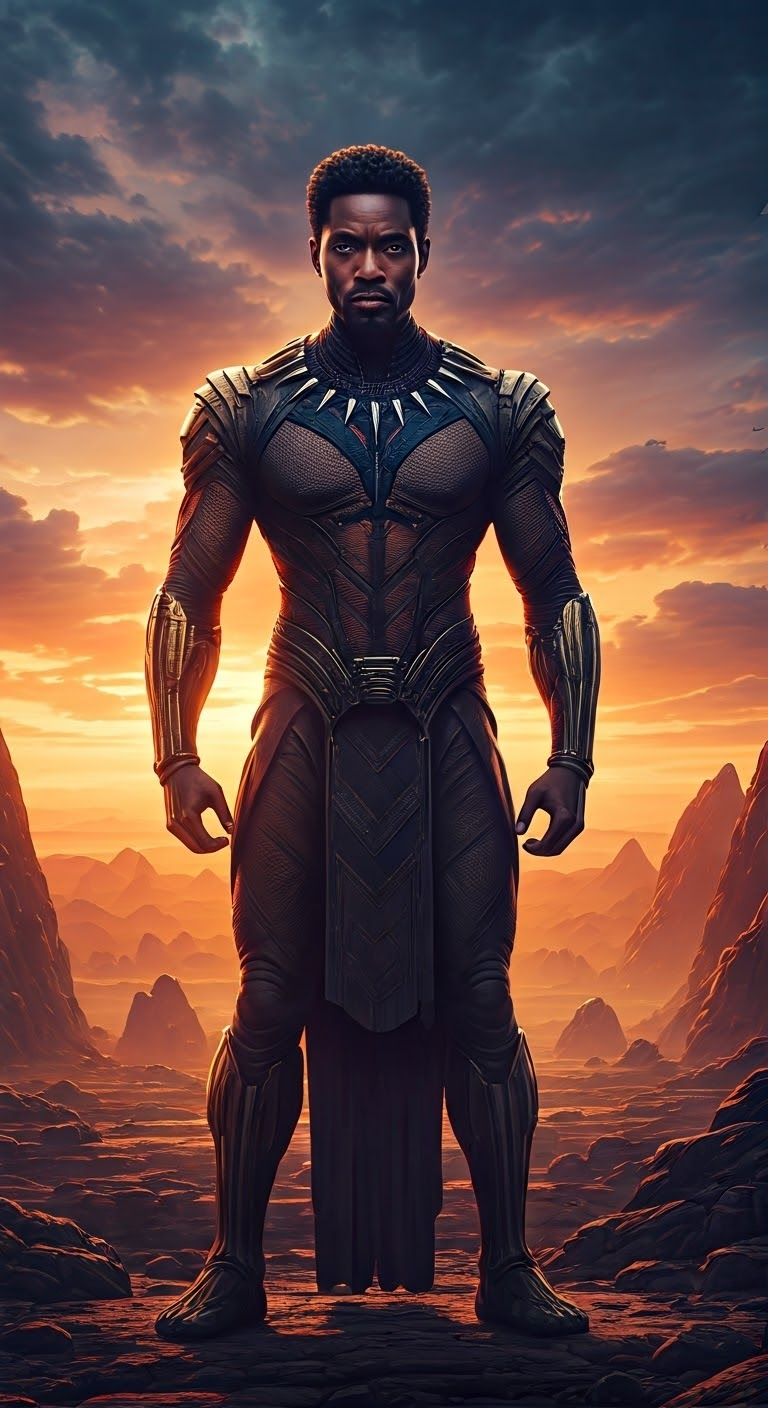
Black Panther made a strong impact on the MCU. It opened up new and exciting ideas for Wakanda and its people. The sequel broadens this world and brings in new characters. This creates many opportunities for future stories.
There is potential for spin-offs about the Dora Milaje. Wakanda might also play a big part in future Avengers movies. The future of Black Panther in the MCU looks just as engaging and meaningful as the past films.
Potential Spin-offs and Sequels
Fans are very excited for more stories from the Black Panther world. There could be spin-offs featuring characters like Okoye and the Dora Milaje. We might also see Shuri and her tech inventions, or even a prequel that looks into the history of Wakanda. These ideas could bring new viewpoints and interesting tales.
The success of the last movie showed that the Black Panther franchise is strong. It can explore deep topics and share new, interesting characters. Marvel has a chance to keep exploring this amazing world in exciting ways.
They can make sequels that keep the main story going or spin-offs that focus on different parts of the Wakandan universe. The future of Black Panther in the MCU seems bright and full of promise.
The Role of Wakanda in Upcoming Films
Wakanda, as we saw in previous films, is now not a hidden nation. It is a key player in the world. This brings many chances for Wakanda to take an important part in future MCU films. It can be a setting, a source of conflict, or a helpful ally for other heroes.
Wakanda has advanced technology, strong warriors, and special resources. These make it a vital asset in world-threatening conflicts, like we saw in Avengers: Infinity War. Keeping Wakanda involved in the MCU could change much about the franchise’s story.
The addition of new characters from Wakanda in the sequel shows that the nation’s role in the MCU will keep growing. Fans are excited to see how these characters will connect with well-known heroes. They also wonder how Wakanda will shape the MCU’s future.
Speculations and Fan Theories
Black Panther, like any MCU release, got many fans talking and guessing about what might happen next. Online groups were full of chats, predictions, and analyses of every little thing in the movie.
Some talked about the chance of characters coming back after seeming to die. Others wondered if new characters from the comics would join or if there could be crossovers with other MCU stories.
These fan theories may not always be right. However, they show how much the fans care and how involved they are. They also highlight the influence Black Panther has on our culture and how it gets people thinking and chatting.
Social and Political Themes
Black Panther is not just an action movie with superheroes. It talks about important social and political issues. The film sparks conversations about race, representation, colonialism, and what it means to be responsible. This makes it a cultural landmark.
The way it discusses these themes connects with viewers. It looks at real problems and worries that people face in an interesting way. The movie gets people talking, changes how they think, and encourages them to reflect on the world.
Representation and Diversity
Black Panther was a big step forward in showing diversity and representation in Hollywood. It had a mostly Black cast, along with a Black director and screenwriter. This film pushed back against the industry’s past issues with inclusion.
People connected with the cast and characters. They had waited a long time to see people like themselves on screen. The movie proved that Black stories, without typical stereotypes, could be popular and hold great meaning.
The influence of Black Panther’s focus on representation is huge. It inspires new filmmakers and helps bring more diversity to both sides of the camera in Hollywood.
Addressing Real-World Issues through Fiction
Black Panther effectively mixed social messages into its superhero storyline. It looked at important issues like colonialism, the choice between isolationism and globalism, and the duties of those who are privileged. The film faced these topics directly, making viewers think about difficult truths.
Erik Killmonger’s rage against a world that exploited and sidelined people of African descent deeply touched viewers. This sparked talks about the lasting effects of colonialism and ongoing racism.
Through its characters and their differing beliefs, Black Panther gave a solid view on these matters. It showed how storytelling can connect with complex and often tough realities.
Legacy and Inspirational Messages
Black Panther’s legacy goes far beyond how much money it made at the box office. It made a lasting impact on popular culture. The film got people talking about representation, inclusion, and why diverse stories about black lives matter.
It gave young Black kids important role models. They could finally see themselves on screen as heroes, leaders, and innovators. This created feelings of pride and empowerment in viewers of all ages.
Black Panther will be remembered not only for its amazing visuals and strong storyline, but also for its cultural impact. It inspired many people to embrace their heritage, challenge outdated ways, and work towards a fairer world.
The Global Influence of Black Panther
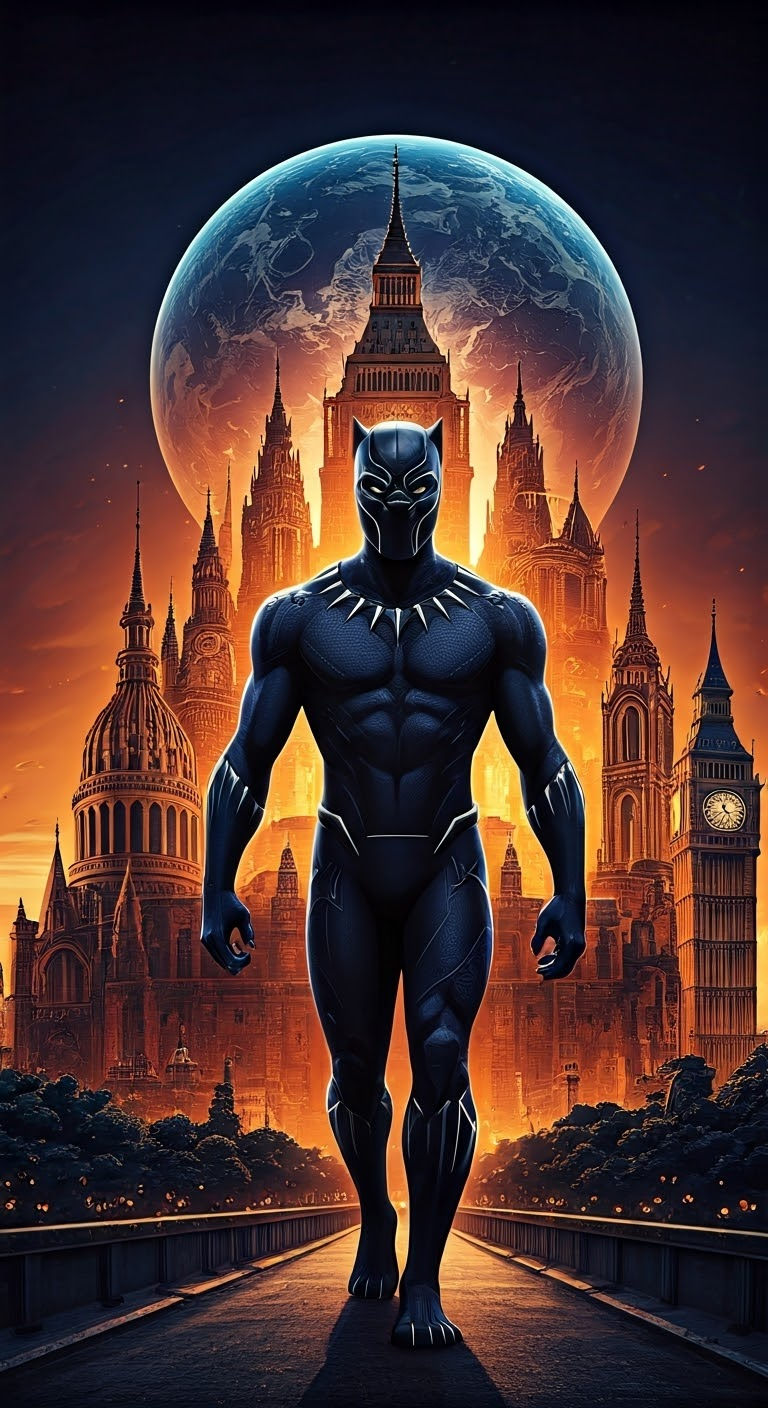
Black Panther was a huge success. It broke box office records and won the hearts of many people around the world. The movie’s focus on representation and its celebration of African culture reached far beyond any borders.
It started important talks about race, identity, and colonialism across the globe. Its influence was felt everywhere, from classrooms to boardrooms. This shows how cinema can inspire change and bring different cultures together.
Breaking Barriers in Hollywood
Black Panther broke many barriers in Hollywood. It showed that films with mostly Black casts, made by Black writers and directors, could do well with both critics and fans. This was a big change in an industry often criticized for not being diverse.
The success of the film challenged the idea that stories about Black characters wouldn’t connect with a wide audience. By focusing on its culture, Black Panther showed that these stories can attract many people and make good money at the box office.
The impact of Black Panther goes beyond just its earnings. It opened the door for more diverse stories to be seen. This film inspired new filmmakers and proved that having different voices is important both in front of the camera and behind the scenes.
International Reception and Cultural Exchanges
Black Panther was received very well around the world. People liked its themes of identity, representation, and fighting against oppression. The movie started important conversations and allowed for cultural exchanges, showing that these themes resonate universally.
In many places, Black Panther became more than just a movie; it turned into a cultural event. People hosted screenings, discussions, and celebrations. They used the film to talk about issues that mattered to their own communities.
The film’s success showed that stories based on specific cultural experiences can attract a global audience. It demonstrated how connected we all are and the ability of art to cross boundaries and join people from different backgrounds.
Educational Initiatives and Discussions
Black Panther’s cultural impact reached schools and sparked talks about history, culture, and representation. Teachers used the movie in their lessons to get students talking about race, identity, and social justice.
The film shows Afrofuturism, which helped students think about different futures and question old ideas. It offered a chance to learn about the rich history and contributions of African cultures.
Black Panther’s effect on education shows it matters more than just for entertainment. The film has become a useful resource for teachers who want to encourage students to think critically, understand cultures, and discuss social change.
Interactive and Multimedia Extensions
The world of Black Panther went beyond movies and spread into many different areas, including the ultimate Black Panther experience. Fans could dive deeper into its universe through video games, comic books, and virtual reality. These platforms let people explore Wakanda and meet its characters in new ways.
This not only gave fans more fun but also added to the story of the Black Panther universe. They brought new angles on familiar characters and opened up new storylines. This made the fictional world even more exciting and full of possibilities.
Video Games and Virtual Reality Experiences
The success of Black Panther has sparked interest in experiences connected to its world. A video game where players can become the Black Panther, explore Wakanda, and fight using the suit’s powers would be very exciting.
Virtual reality could help fans feel like they are really in Wakanda. They could meet the characters, discover beautiful places, and even train with the Dora Milaje. This kind of technology could create amazing experiences that fans won’t forget.
There is still no specific Black Panther game available, but fans clearly want one. They are looking forward to diving deeper into Wakanda and exploring its universe in fun new ways.
Comic Books and Graphic Novels
The success of Black Panther made people more interested in his comic book origins. New comic book series and graphic novels looked deeper into Black Panther’s past, motivations, and relationships. These offered enjoyable stories for fans.
Well-known writers like Ta-Nehisi Coates and Roxane Gay worked on Black Panther comics, with some of their work receiving attention from the New York Times. They tackled big ideas like colonialism, responsibility, and what it means to lead. Their popular stories added to the Black Panther legend. They also changed the character for a new group of fans.
These new stories gave more background and detail to the Black Panther we see on screen. They also brought new readers to understand his rich history and complicated world.
Online Communities and Fan Content
Online communities focused on Black Panther are full of fan content. These spaces spark deep discussions and creative expressions. From fan forums to social media groups, fans explore every detail. They discuss things like box office success and cultural impact. Fan art, fan fiction, and fan theories flood these areas. They celebrate the vibrant world of Wakanda and its heroes, like T’Challa and the Dora Milaje. The excitement and togetherness in these communities boost the impact of Black Panther’s story. This creates a digital Wakanda that goes beyond limits.
Black Panther and Science Fiction
When we look at Black Panther and science fiction, we see a unique mix of futuristic technology and rich culture. The movie skillfully combines advanced ideas with a deep story, which makes it different from other superhero films. By using Afrofuturism elements, Black Panther shows a vivid view of a futuristic African nation. The way Wakanda is shown as a center of innovation breaks usual sci-fi stereotypes. It gives us a new way to see how technology and cultural identity can connect. This blend of science fiction and culture in Black Panther makes it an important and thought-provoking film.
Technological Innovations of Wakanda
Wakanda has amazing technology that combines traditions with modern science. They have futuristic things like vibranium-powered devices, flying ships, and top-notch medical facilities. Their creativity is not just about weapons. They have made great strides in communication, transportation, and energy. These innovations show how special Wakanda is. They also enhance the story of Afrofuturism by showing a perfect mix of technology and culture. Through these groundbreaking advancements, Wakanda shines as a symbol of progress and creativity. It inspires people with its image of living in harmony between tradition and new ideas.
Afrofuturism and Its Significance
Afrofuturism plays a key role in «Black Panther.» It blends advanced technology with rich African culture. This movie tells a strong story about a future where black people succeed. It goes against common sci-fi ideas. By showing Wakanda as a high-tech African nation that has never been colonized, the film honors black excellence and strength. This genre usually features Western views, but «Black Panther» stands out. Afrofuturism in the movie not only entertains but also inspires and empowers viewers. It connects with the black population and shows how important it is to have diverse stories in the Marvel Cinematic Universe.
Comparisons with Other Sci-Fi Works
Black Panther is special in the world of science fiction. It combines classic Marvel elements with Afrofuturism in a unique way. Unlike many other sci-fi films, this movie goes deeper than just showing advanced technology. It explores important cultural themes and has strong, empowering stories. Black Panther offers a fresh view on diversity and representation, unlike typical superhero films. It connects with well-known sci-fi classics but follows its path, showing a predominantly black cast and a story that deeply touches audiences. The film’s success is not just at the box office. It also starts important discussions about inclusivity and social change in the sci-fi genre.
Conclusion
Embrace the power of Black Panther as it breaks barriers and captures people’s attention around the world. It shows science fiction in a new way, highlighting tech advances and afrofuturism. By comparing it to other great works, Black Panther stands out as a truly original masterpiece. Featuring a predominantly black cast and a deep cultural story, it makes a strong impact on the Marvel Cinematic Universe. The legacy of Black Panther, both in the movie and outside of it, honors diversity and encourages communities to celebrate their history and strength.
Frequently Asked Questions
Who is the new Black Panther in the sequel?
Shuri, who is T’Challa’s sister, becomes the new Black Panther in the sequel. She is smart and has great skills in technology. Shuri offers a different point of view in this role. She also adds something new to the important history of Wakanda.
How does Black Panther address cultural heritage?
Black Panther takes its inspiration from African culture and traditions. It shows how important cultural heritage is in forming identities. The movie celebrates diversity. It emphasizes the need to keep one’s roots while also accepting modern life.
Can we expect any crossover characters in future films?
Looking at the chance for crossover characters in new films makes the Black Panther story even more interesting. There are many unique characters in the Marvel universe. Fans are excited about the idea of seeing Black Panther team up with other superheroes. Keep an eye out for exciting crossovers!
What was the impact of Black Panther on the superhero genre?
Black Panther changed the superhero genre. It showed more diversity and told powerful stories. Its success opened doors for more inclusive storytelling. It also helped break stereotypes and inspired communities that are often left out around the world.
Are there any plans for a Black Panther video game?
Marvel Studios has suggested that a Black Panther video game could be on the way, but there are no official announcements yet. Fans are excited about the chance to experience an engaging game set in the high-tech world of Wakanda.