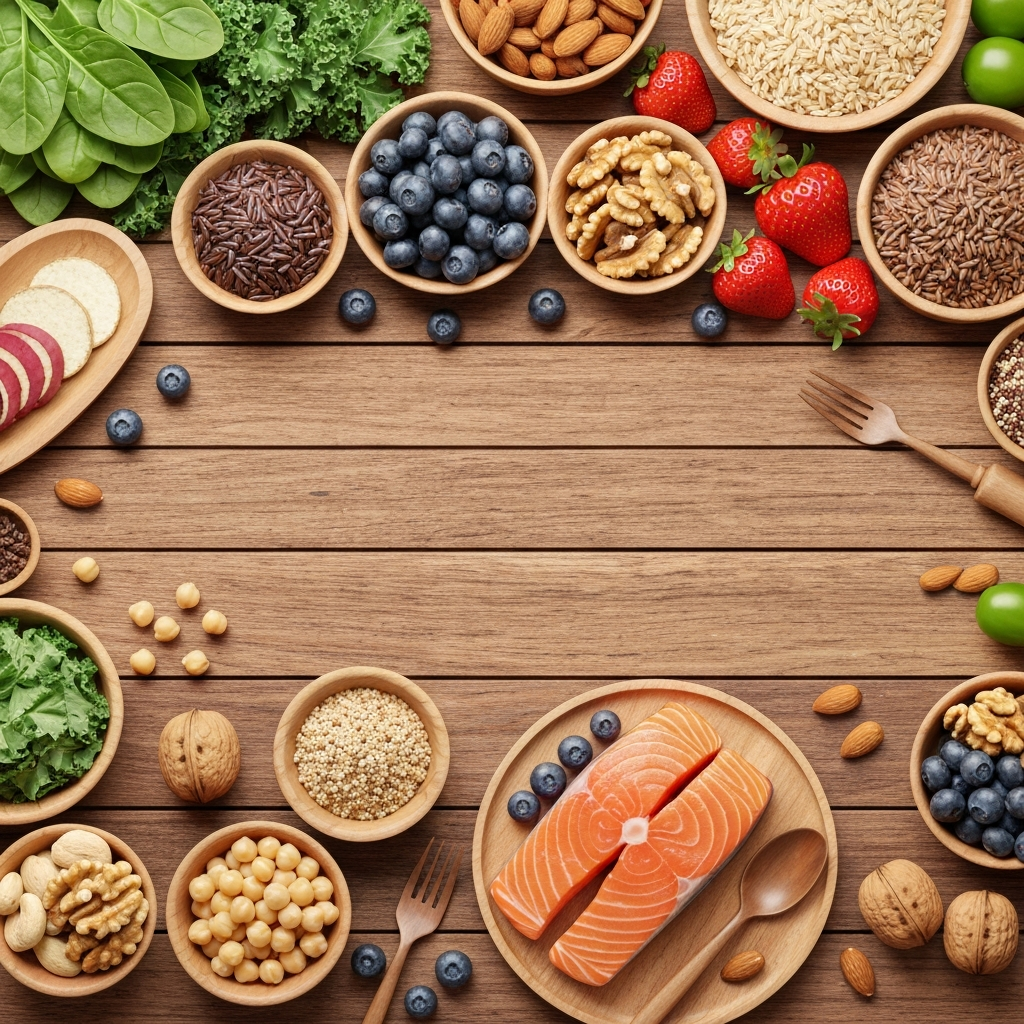

Key Highlights
- Eating healthy is important for good health and feeling your best.
- A balanced diet means eating different foods in the right amounts.
- Make sure to eat lots of fruits and a variety of vegetables every day.
- Build your meals around whole grains and pick lean proteins for good health benefits.
- Drink plenty of water and try to avoid foods high in sugar, salt, and saturated fat.
- Learning to read food labels helps you make better choices when you shop.
Introduction
Do you want to feel better by changing what you eat? Choosing good foods is one of the best ways to stay healthy. Following easy dietary guidelines can help you have more energy and keep a healthy weight. This guide will show you the basics of healthy eating. You will learn how to pick the right foods and create a balanced meal plan. Let’s see how you can add healthy and tasty foods to your daily life.
Essential Healthy Food Choices for a Balanced Diet
Creating a balanced diet means eating a mix of different foods. Think of it like painting with many colors. Each food group has special nutrients and health benefits your body needs to stay healthy. The best way to eat well is to include foods from all the main food groups every day.
When you choose different kinds of foods, you get many vitamins, minerals, and other important nutrients. In the next sections, we will talk about the best foods you should add to your diet for healthy eating and a balanced diet.
1. Leafy Greens and Cruciferous Vegetables
Dark green vegetables are very good for your health. You should try to eat them three or four times a week. Vegetables like spinach, kale, and broccoli are great to have in your kitchen. They have many vitamins, minerals, and fiber. These help make your diet healthy.
The dietary guidelines say you should eat at least five portions of different vegetables and fruits every day. Eating some leafy greens is an easy way to reach this goal. For example, three big spoonfuls of cooked vegetables count as one portion.
These vegetables also have antioxidants. Antioxidants help protect your body. You can add spinach to your dinner or put some kale in a smoothie. This small change can bring good health benefits.
2. Fresh Fruits and Berries
Eating fresh fruits and berries is a tasty way to improve your health. Berries like blueberries, strawberries, and raspberries are very good for you because they have a lot of antioxidants and vitamins. Try to eat two to four servings of fruit every day to get the health benefits.
Picking fresh foods instead of processed ones gives you more nutrients without extra sugar or preservatives. A single serving of fruit is easier to eat than you might think. For example, one serving can be:
- One medium fruit like an apple or banana
- A 150ml glass of fruit juice (only one per day because of the sugar)
- 30g of dried fruit, best eaten with meals
There is a wide variety of fruit to choose from, so you can find ones you like. Changing a sugary snack to fresh fruit is an easy way to help your health and get a natural energy boost.
3. Lean Proteins (Chicken, Fish, Eggs, Tofu)
Protein is important for your body to grow and fix itself. Choosing lean proteins is a good choice for your health. Foods like skinless poultry, fish, eggs, beans, and tofu are great sources. When you eat meat, pick lean cuts to lower your fat intake.
Oily fish like salmon, sardines, and tuna are very helpful. They have omega-3 fatty acids, which help keep your heart healthy. These fatty acids may also lower the risk of heart disease. The NHS says you should eat at least two portions of fish each week, with one being an oily fish. [Source: https://www.nhs.uk/live-well/eat-well/how-to-eat-a-balanced-diet/]
Eggs are another healthy and flexible protein source. For those who prefer plants, soy products like tofu and edamame work well. Eating different lean proteins like these makes sure you get the nutrients you need for a strong and healthy body.
4. Whole Grains (Brown Rice, Oats, Quinoa)
Starchy foods should be more than a third of what you eat, and the best way to eat them is by choosing whole grains. Whole grains have more fiber, vitamins, and minerals than refined grains like white bread or white rice.
Switching to whole grains is easy. You can pick brown rice instead of white rice. You can also choose wholewheat pasta and bread. These foods are a good source of fiber. Fiber helps your digestion and makes you feel full for longer. Some good whole grain options are:
- Oats
- Quinoa
- Brown rice
- Barley
Potatoes with their skins on are also a great source of fiber and vitamins. When your meals focus on these starchy foods with fiber, you give your body steady energy and help your digestion work well.
5. Nuts, Seeds, and Healthy Fats
While it’s important to limit your intake of saturated fat, some fat is essential for your health. The key is to choose unsaturated fats, which can help lower cholesterol levels. Nuts, seeds, and certain oils are excellent sources of these healthy fats.
Adding a moderate amount of nuts and seeds to your diet is a great way to get beneficial nutrients. For example, just one to two tablespoons of ground flaxseed or a quarter cup of nuts a day can make a difference. These foods are high in energy, so remember that moderation is key.
Unsalted nuts make a good snack, and seeds like sunflower seeds can be easily sprinkled on salads or yogurt. Here are some examples of healthy fats to include in your diet:
|
Food Source |
Type of Healthy Fat |
|---|---|
|
Oily Fish |
Omega-3 fatty acids |
|
Nuts & Seeds |
Unsaturated fats |
|
Avocados |
Unsaturated fats |
|
Olive Oil |
Unsaturated fats |
How to Identify Truly Healthy Foods at the Store
Going to the grocery store can be tricky because many products say they are healthy. How do you know which ones are really good for you? The key to making healthier choices is to look beyond the front of the package and read the information on the back.
Knowing how to read nutrition labels and ingredient lists is very helpful. It shows you what is really in your food, like calories, fat, and hidden sugars. Let’s see how you can shop smart and pick foods that are truly good for you.
Reading Nutrition Labels and Ingredients Lists
The nutrition label is a great tool to help you make smart food choices. It shows what is in a product, so you can compare and pick the best one for your dietary patterns. Don’t worry if the numbers seem like a lot. Just focus on some key points.
First, check the serving size. All other numbers on the label are based on this amount. Next, look for certain things to help you decide. UCSF Health says a good source of fiber has 3 to 4 grams of fiber per serving. [Source: https://www.ucsfhealth.org/education/top-ten-foods-for-health]
Here are some things to check on the nutrition label:
- Calories: Helps with weight management.
- Saturated Fat: Try to choose foods with less saturated fat to keep your heart healthy.
- Grams of Fiber: Pick foods that have more fiber.
By checking these details quickly, you can tell which foods are good for your health goals and which are not.
Spotting Hidden Sugars, Fats, and Additives
Many processed foods have large amounts of hidden sugars and unhealthy fats, even when they claim to be healthy. You can find these secrets in the ingredients list. The list shows ingredients from the most to the least in the product. If sugar or saturated fat is one of the first ingredients, the product likely has a lot of them.
Know that sugar has many names, like corn syrup, dextrose, and sucrose. Companies use these names to hide the total sugar in the food. Also, some oils can contain a lot of saturated fat.
Eating foods with hidden sugars and additives often can hurt your blood sugar and health. Taking a little time to check the ingredients list can help you avoid these and choose foods that are really better for you.
Building a Balanced Daily Meal Plan with Healthy Foods
Now that you know what foods to pick, how do you bring them all together for a daily meal plan? Following dietary guidelines for a balanced diet does not have to be hard. The aim is to make dietary patterns that have a mix of vegetables, proteins, and whole grains in every meal.
A good meal plan makes sure you get the energy and nutrients you need all day. Here are some easy examples and recipe ideas to help you create tasty and healthy meals without stress.
Breakfast, Lunch, Dinner, and Snack Examples
Making a healthy meal plan is simple with a few easy ideas. For breakfast, start your day with food that gives you energy for a long time. A bowl of oatmeal with a spoon of raisins is a great pick. This mix includes whole grains and fruit.
For lunch, at home or packed in a lunchbox, try a salad with lean chicken and lots of veggies. It is light but filling. For dinner, choose oily fish like salmon. Add some brown rice and steamed broccoli on the side. These meals offer a good balance of nutrients.
Remember snacks are important! A good snack helps stop hunger and gives energy between meals. Here are some simple snack ideas for your day:
- Breakfast: Whole grain cereal with low-fat dairy milk.
- Lunch: A sandwich on wholemeal bread with a side salad.
- Snack: A banana or a small handful of unsalted nuts.
Easy Recipe Ideas for Busy Schedules
Eating healthy does not have to take a lot of time, even if your day is very busy. There are many simple recipes you can make fast. Soups and stews work well because you can cook a big pot and eat it for a few days. Lentil and vegetable soup is filling and good for you.
Stir-fries are a quick and healthy choice too. You can use tofu or another soy protein. Add your favorite fresh veggies and eat it with brown rice for a full meal. Keeping cooked proteins or canned fish ready can also save time when you are busy.
Here are some more quick and easy recipe ideas:
- A fast pasta dish with wholewheat pasta, canned tomatoes, and beans.
- Scrambled eggs with spinach and one slice of wholemeal toast.
- A bowl of low-fat yogurt with fresh berries and seeds on top.
Conclusion
To sum up, choosing healthy foods is very important for a balanced diet and your overall health. When you add leafy greens, fresh fruits, lean proteins, whole grains, and good fats to your meals, you give your body the nutrients it needs. At the same time, you get to enjoy tasty food. Learning to read nutrition labels and check ingredient lists helps you pick the healthiest options when shopping. A bit of planning can help you create a balanced daily meal plan that matches your lifestyle. By following these healthy habits, you will feel better and have a good connection with food. If you want to eat healthier, you can book a free consultation with our nutrition experts for advice that fits you.
Frequently Asked Questions
What’s the difference between healthy and unhealthy foods?
Healthy foods have many nutrients such as vitamins, minerals, and fiber. Unhealthy foods usually have many calories but not many nutrients. They contain large amounts of sugar, salt, or saturated fat. Eating a lot of unhealthy foods can increase the risk of obesity and other health problems.
Are there official guidelines for creating healthy meals?
Yes, there are official dietary guidelines, such as the NHS Eatwell Guide. It shows how to get a balanced diet by telling you the right amounts of different food groups to eat. This means you should base your meals on starchy foods, eat a variety of vegetables, and enjoy the health benefits that come from good nutrition.