Key Highlights
-
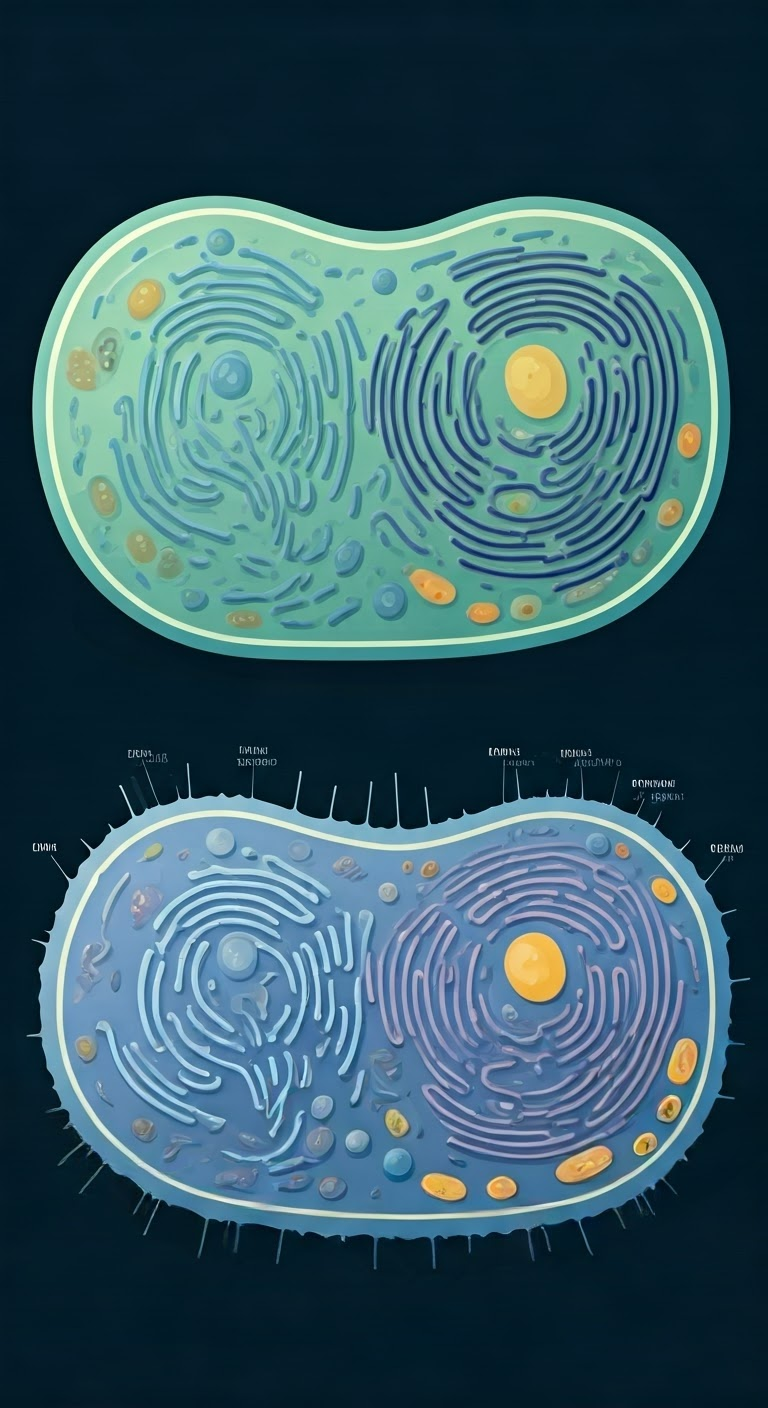
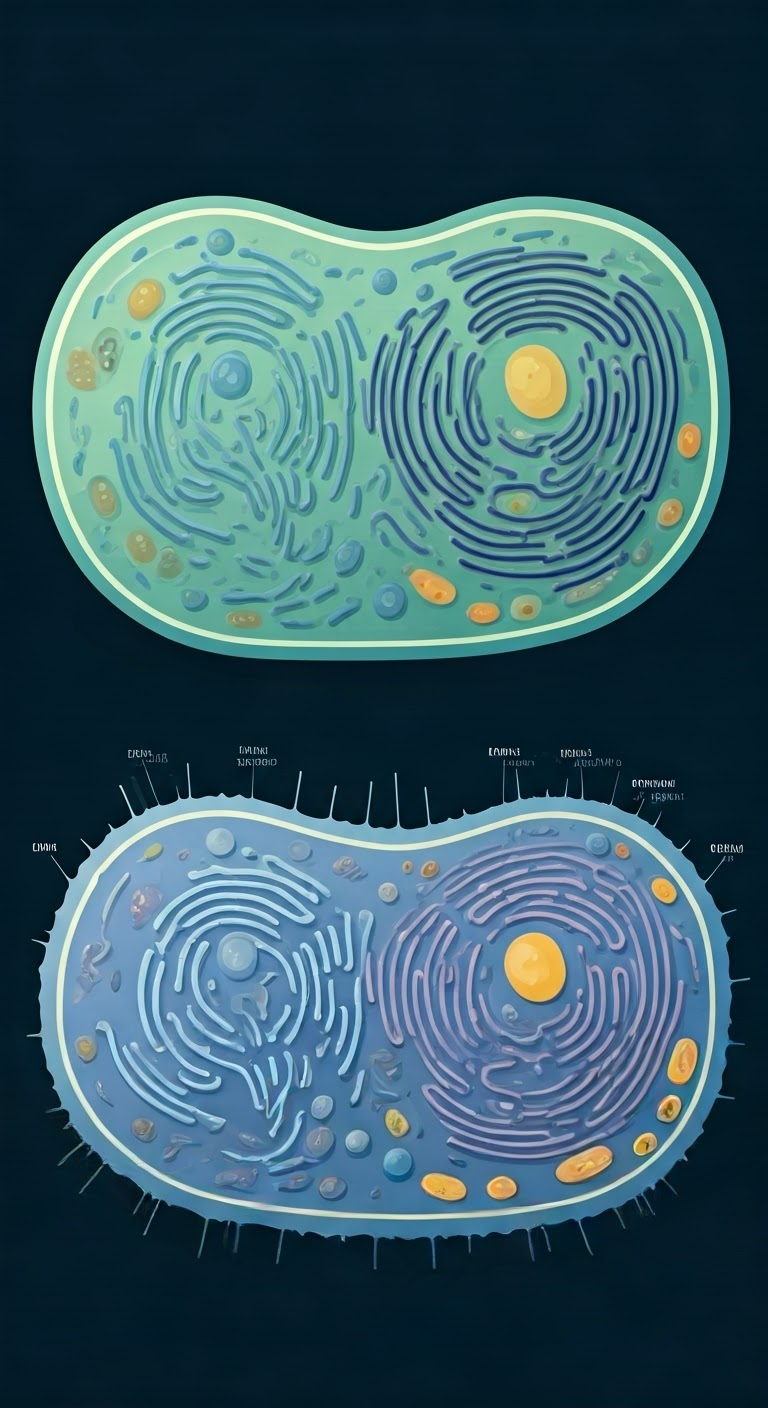
Plant and animal cells are both eukaryotic cells, sharing several similarities like having a nucleus, cell membrane, and cytoplasm.
-
They contain key organelles that perform special functions, necessary for the cell’s survival.
-
A unique characteristic of plant cells is the presence of chloroplasts, responsible for photosynthesis.
-
Unlike plant cells, animal cells possess lysosomes, which play a crucial role in digestion and waste removal.
-
Plant cells have a rigid cell wall that provides structural support, absent in animal cells.
-
Understanding these differences helps in appreciating the diverse functions and complexities of life forms.
Introduction
In the interesting world of biology, plant and animal cells are essential parts of life. These cells are eukaryotic, and even though they are tiny, they are very complex. They have many similar features, but their unique traits allow them to do special jobs. This leads to the amazing variety seen in plants and animals. This journey will show you the striking differences and interesting similarities between plant and animal cells.
Core Similarities Between Plant and Animal Cells
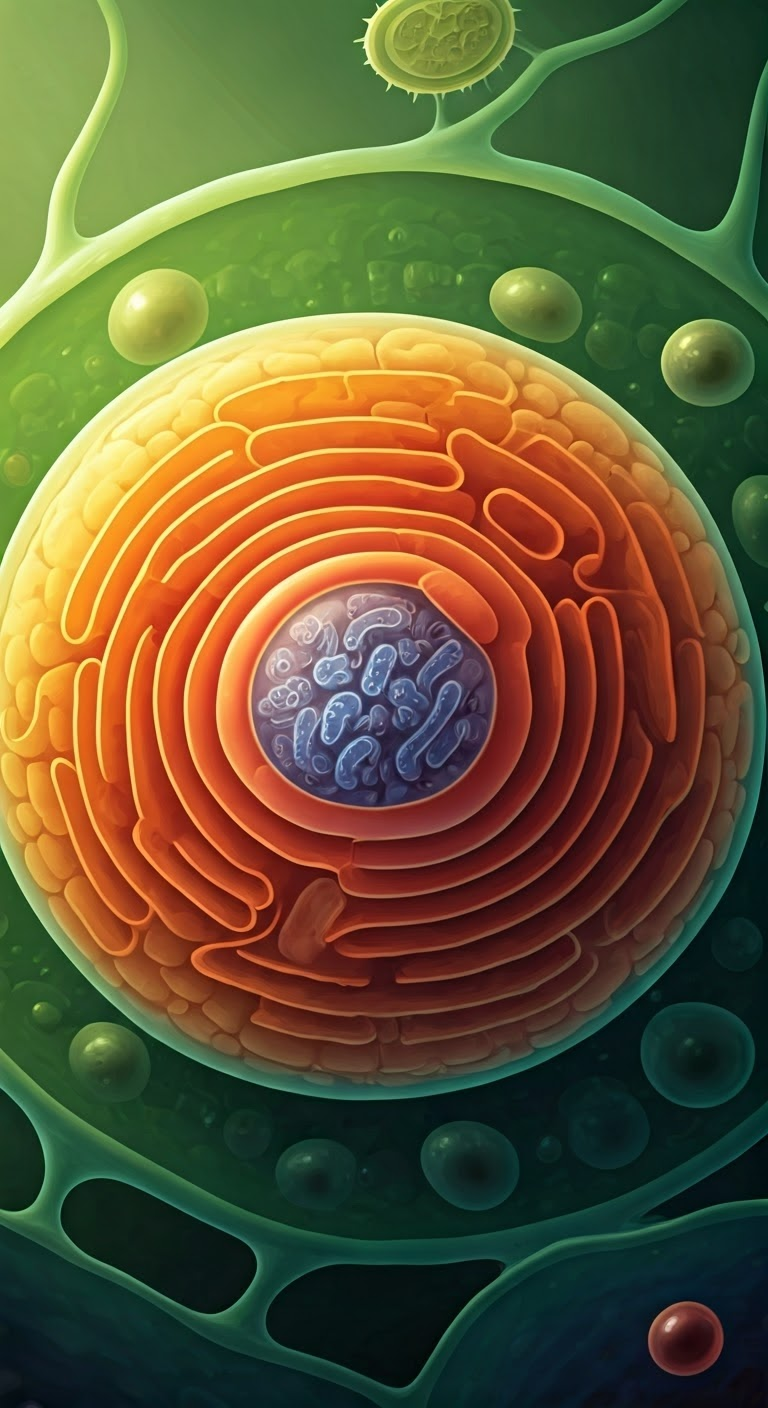
Both plant and animal cells have a similar eukaryotic cell structure. They are surrounded by a cell membrane. Inside the cytoplasm, there are many organelles that have specific jobs. The cell membrane works as a barrier. It controls what molecules can go in and out of the cell.
At the center of both cell types is the nucleus. This part holds DNA, which is the genetic blueprint of life. DNA carries important information needed for growth, development, and functioning. In the cytoplasm, you can also find other vital organelles. Ribosomes are here too, and they make proteins. Mitochondria are also present, and they are the powerhouses of the cell, producing energy through a process called cellular respiration.
Cellular Structure and Organelles
Eukaryotic cells have special cell organelles that each do different jobs. These organelles are found in simple unicellular organisms like amoeba and in more complex multicellular organisms like plants and animals. They all work together to keep the cell healthy.
The endoplasmic reticulum helps make proteins and lipids. The Golgi apparatus packs and moves molecules around. Each organelle plays an important part in the many tasks that happen inside cells. Vacuoles are found in both types of cells. They help with storage, getting rid of waste, and keeping plants firm.
The way these organelles are organized and work together shows how complex and beautiful cell life is, no matter what type of organism it is.
DNA – The Blueprint of Life
DNA, or deoxyribonucleic acid, is the most important molecule in cells. It is a major organic molecule and falls under a category called nucleic acids. DNA is responsible for inheritance. This means it controls which traits families pass down through generations. Both plants and animals keep their own DNA safe inside the nucleus.
The DNA structure looks like a twisted ladder, known as a double helix. The steps of this ladder are made from base pairs. This complex setup contains the genetic code that decides how an organism will look and act. DNA can copy itself, which helps to send genetic information during cell division.
From tiny germs to big mammals, DNA is the common thread in all life, showing the amazing power of this important molecule.
Unique Characteristics of Plant Cells
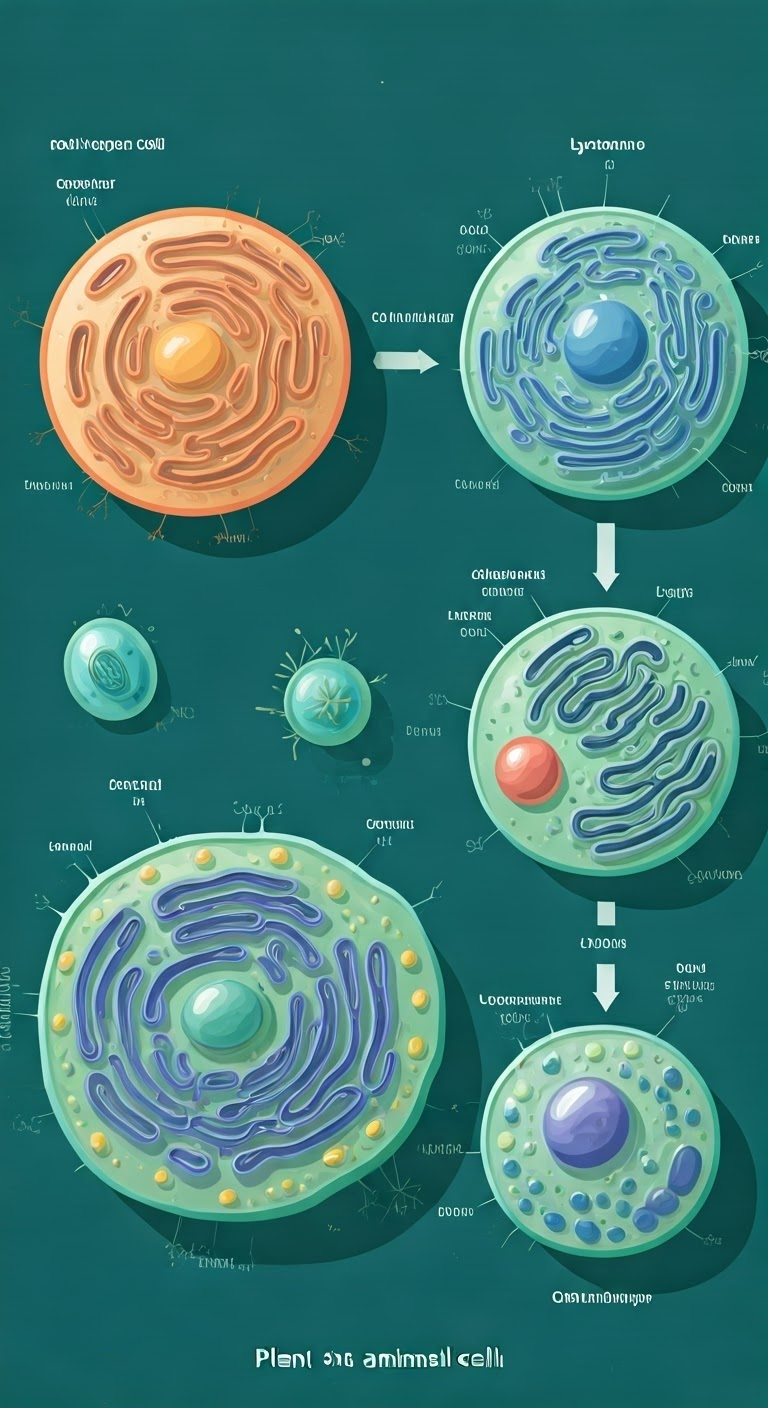
Plant cells are different from other cells, even though they are all eukaryotic. They have special features that help them live in ways that are unique. Plant cells can create their own food, and they do not move around.
Some of these special features are a strong cell wall, chloroplasts that help with photosynthesis, a large central vacuole, and plasmodesmata for communication between cells. Each of these parts plays a key role in what plant cells can do and how they work.
The Cell Wall – Protection and Structure
A major feature of plant cells is the cell wall. This is a strong covering that surrounds the plasma membrane and cell membrane. In the diagram of a plant cell, it is mostly made of cellulose, which provides structural support. The cell wall protects against damage and helps the cell keep its shape.
Cellulose is a complex carbohydrate. It makes a strong and firm framework. The cell wall, which contains peptidoglycan, serves as a barrier, preventing the cell from bursting due to changes in pressure. Its strength allows plants to handle different environmental conditions and stay upright.
This strong outside layer is what makes plant cells different. It helps plants have the various shapes and sizes found in the plant kingdom.
Chloroplasts – Powerhouses of Photosynthesis
One important feature of plant cells is chloroplasts. These are the parts of the cell where photosynthesis happens. Chloroplasts contain a green pigment called chlorophyll. This allows plants to capture light energy and change it into chemical energy, which is stored as glucose.
Chloroplasts take in light energy from the sun. They also use carbon dioxide and water. This process is called photosynthesis, and it is crucial for life on Earth because autotrophs, like plants, can produce their own food, while heterotrophs, like animals, must rely on other organisms for their organic compounds. Here are some key parts of this process:
-
Chlorophyll absorbs light energy.
-
Carbon dioxide is turned into organic molecules.
-
Water is split, which releases oxygen.
This amazing process helps plant cells grow and provide essential nutrients for other living things. Because of this, plants are the main producers in many ecosystems.
Distinct Features of Animal Cells
Animal cells share some basic similarities with plant cells, but they also have unique features. These special traits help animal cells perform many functions like movement, sensing the environment, and complex body processes.
Animal cells do not have a cell wall. This makes them more flexible in shape, which helps with movement and specific cell jobs. They also have lysosomes that help digest materials inside the cell. Additionally, animal cells contain centrioles, which are important for cell division.
Lysosomes – The Digestive System
Lysosomes are often called the «garbage disposal» of the cell. They are special organelles with a membrane, and you can find them only in animal cells. These sacs contain enzymes that can break down many types of molecules. These include proteins, lipids, carbohydrates, and nucleic acids.
Lysosomal enzymes work best in a much lower pH environment. They help to break down waste products from the cell, along with debris and things the cell has eaten. This process is called autophagy. It is very important for recycling cell parts and keeping the cell healthy.
Being able to break down and recycle waste is crucial for animal cells to function well and live long.
Centrioles and Cell Division
Found only in animal cells, centrioles are cylindrical structures composed of microtubules, playing a crucial role in cell division. Existing as a pair of centrioles, they form the centrosome, which organizes microtubules during cell division.
During cell division, the centrosome duplicates, and each daughter centrosome migrates to opposite poles of the cell. From these poles, microtubules extend, forming the mitotic spindle. The spindle fibers attach to chromosomes, ensuring their equal distribution to daughter cells.
|
Structure |
Function during cell division |
|---|---|
|
Centrioles |
Form the centrosome |
|
Centrosome |
Organizes microtubules |
|
Microtubules |
Form the mitotic spindle |
The precise role of centrioles in cell division is still under investigation. However, their presence highlights the intricacies of cellular processes unique to animal cells.
Conclusion
In conclusion, knowing the differences and similarities between plant and animal cells helps us understand the complex world of cellular biology. Plant cells have special features like a protective cell wall and chloroplasts that help with photosynthesis, which are often visible under a microscope. On the other hand, animal cells are better at processes like using lysosomes for digestion and centrioles for cell division. Understanding these differences allows us to see the wonders of life up close. If you want to learn more or have questions about cellular structures, dive into biology to find out the secrets of plant and animal cells.
Frequently Asked Questions
What are the main differences between plant and animal cells?
Plant cells have a cell wall, chloroplasts for photosynthesis, and a large central vacuole, which helps maintain water concentration. These features are missing in animal cells. On the other hand, loss of support in animal cells is provided by lysosomes for digestion and centrosomes that help with cell division. These are not present in plant cells.
Why do plant cells have a cell wall and animal cells do not?
The cell wall is a tough outer layer that gives plant cells structural support. This support helps plant cells handle pressure and keeps them in shape. On the other hand, animal cells, including specialized types like smooth muscle cells, do not have this rigid covering. This means they can be more flexible and can move in many different ways.
How do chloroplasts contribute to a plant cell’s function?
Chloroplasts have a special green pigment called chlorophyll in a chloroplast’s inner membrane stacks, known as a stack of thylakoids, also referred to as grana. These structures help plant cells carry out photosynthesis. During this process, plants use light energy to turn carbon dioxide and water into glucose units. This gives the plant energy and releases oxygen as a byproduct.
What are the main differences between plant and animal cells?
Plant cells have cell walls, chloroplasts, and a large central vacuole, which animal cells lack. Animal cells have centrioles and lysosomes, which plant cells do not have. These differences reflect the distinct functions and structures required for plant vs. animal life forms.