Key Highlights
-
Learn interesting facts about the history, building, and cultural impact of the Eiffel Tower.
-
Find hidden stories, amazing designs, and helpful tips for your visit.
-
Discover the myths, tales, and views from locals about this famous place.
-
Get advice on the best times to visit and enjoy the Eiffel Tower in every season.
-
Understand the design meaning and how the tower became a worldwide symbol.
Introduction
The Eiffel Tower stands proudly on the Champ de Mars. It is an important symbol of Paris and shows what people can achieve. Built in the 19th century, it amazed the world at the 1889 Exposition Universelle. This blog shares interesting secrets and stories about the Eiffel Tower. These stories will make your visit much better.
Unveiling the Eiffel Tower’s Hidden Stories
Beyond its tall structure, there are many interesting stories. Designed by Gustave Eiffel, the tower faced a lot of criticism from some of France’s top artists and thinkers. They felt it was an ugly addition to the Paris skyline. They didn’t realize that this amazing building would become one of the most popular tourist spots in the world.
Still, the tower had fans, including Gustave Eiffel himself. He recognized its worth beyond just a display. From the start, Eiffel saw its scientific importance and worked hard to keep it standing. His dreams and effort made sure that the Eiffel Tower stayed a symbol of creativity and progress.
The Initial Public Outcry and Secret Supporters
The construction of the Eiffel Tower for the 1889 Exposition Universelle did not receive praise from everyone. It actually caused a lot of debates among artists and writers in Paris. Many of them saw the tower as an ugly addition to the city’s beautiful skyline. They considered it an insult to their refined tastes. Petitions from famous people labeled it as a «useless and monstrous Eiffel Tower.»
Even with this strong backlash, Gustave Eiffel stayed determined. He believed in his design and saw its potential for more than just the Exposition. He used clever strategies to show the tower’s scientific importance. Eiffel pointed out that it could be used for weather observation, communication tests, and also showed French engineering skill.
Eiffel’s hard work paid off. Over time, more people began to admire the tower as they experienced its beauty. Its popularity grew during and even after the Exposition Universelle. Today, the Eiffel Tower is the most visited monument in the world. This is a proof of Eiffel’s strong belief and the charm of his creation.
Hidden Messages and Engravings Beyond Public Eye
La Tour Eiffel offers more than just beautiful views of the city. It keeps hidden messages and engravings that many people do not notice. If you look closely, you can see the names of 72 famous French scientists, engineers, and mathematicians on the first level. Gustave Eiffel created this tribute to honor those who helped make his masterpiece and recognize their work in science and France.
Also, many engravings decorate different parts of the tower. This shows a time when the craft of building was not just about how well it worked but also about how it looked. These engravings may be small, but they add more to the tower’s rich history. They let us see the creativity of the artists and craftsmen who built this famous structure.
The next time you go up the Eiffel Tower, take a moment to look around. Appreciate these hidden details. They will make your visit feel more like an exciting journey through history, art, and human skills.
Design
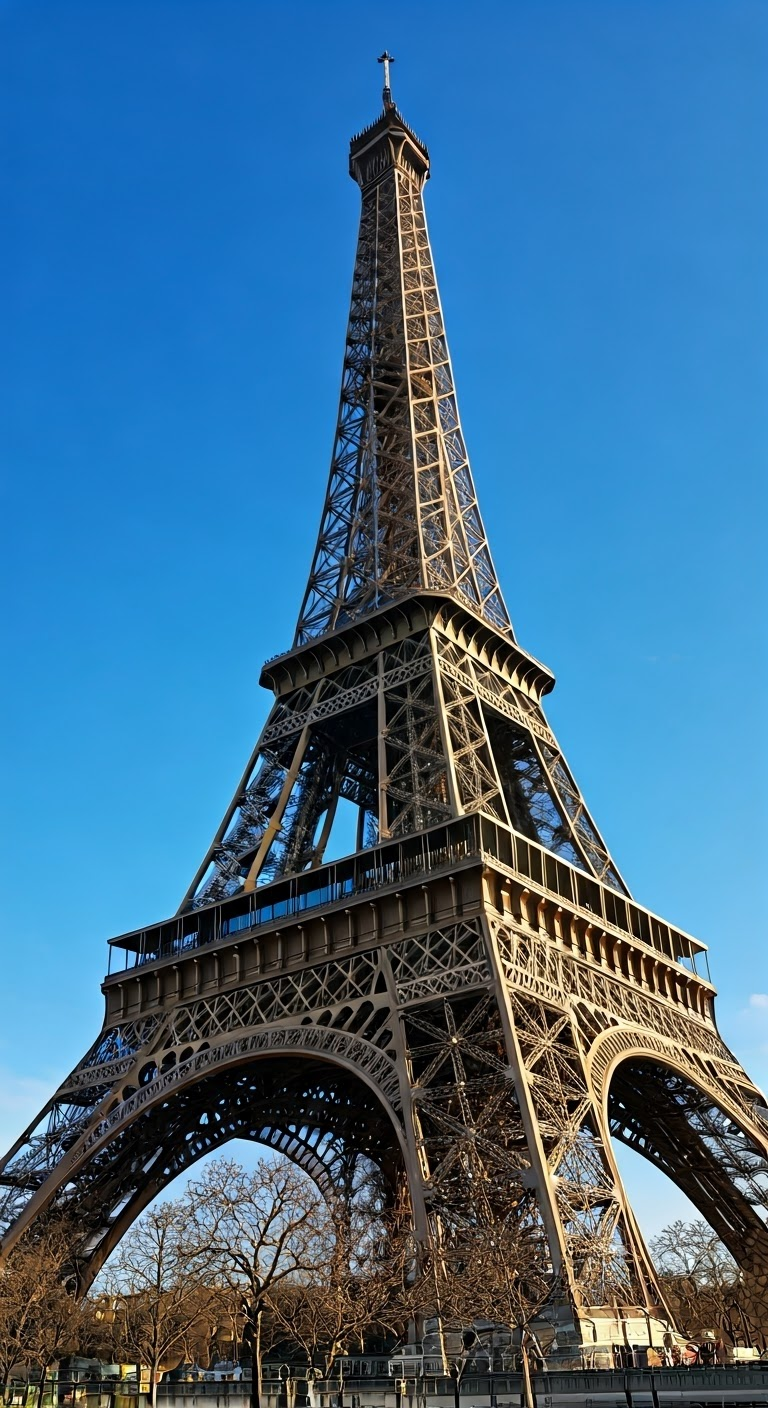
Behind the simple look of the Eiffel Tower is a smart design. Gustave Eiffel, who was a well-known bridge builder, used his skills to create a structure that is nice to look at and strong at the same time. He designed it with a framework made of iron, which was known for being strong and long-lasting back then.
The tower’s unique curved shape is not just a design choice. It is also a smart way to reduce wind resistance. Every part of Eiffel’s design shows a good mix of style and purpose. This makes the Eiffel Tower a great example of engineering from the 19th century.
Material
The Eiffel Tower was mainly built using wrought iron. This material is known for being strong and long-lasting. The tower is made of about 18,000 pieces of wrought iron. These pieces are carefully put together with around 2.5 million rivets. This shows amazing engineering skill.
Gustave Eiffel, known for his clever bridge designs, knew that wrought iron was a great choice for this huge project. This material not only made the tower strong but also allowed for a detailed design. This added to the tower’s beauty.
Besides being strong, the wrought iron gives the Eiffel Tower a special look. The metal has different textures and colors that create visual interest. This makes the tower stand out and shows the industrial style of the late 1800s.
Wind and weather considerations
The Eiffel Tower has a beautiful lattice design, but it faces challenges from strong winds. Gustave Eiffel solved this issue by adding curves and angles to the tower’s shape. The base of the tower is wider for better stability, and it gets narrower as it goes up. This design helps the wind move around the tower, reducing resistance and stress on its frame.
Eiffel calculated the wind pressure very carefully. He knew that the tower’s tall and open shape could be affected by different wind strengths at different heights. Because of this, the curve of the tower’s legs is not the same everywhere. It is smartly designed to handle specific wind pressures at each level.
The Eiffel Tower has stood up to the winds of Paris for over a hundred years. This shows Gustave Eiffel’s incredible knowledge of structure and aerodynamics. The tower’s design continues to inspire current architects and engineers, providing a lasting way to deal with wind challenges.
Floors
The Eiffel Tower invites you to visit its three different levels. Each one gives you a special view of Paris. You can enjoy dining and amazing sights, with each floor offering unforgettable moments.
-
Ground floor: Start your visit here. You will find ticket offices, gift shops, and an exhibition that tells the tower’s history.
-
First floor: Walk on a glass floor for an exciting experience. You can also eat at the nice «Madame Brasserie» while enjoying great city views.
-
Second floor: Take in stunning 360-degree views of Paris. You can see famous places like the Louvre and the Sacré-Coeur.
If you want unique dining or spectacular city views, the Eiffel Tower has something for everyone. Going up each level is like a trip through history, architecture, and tasty food.
Ground floor
The Eiffel Tower experience starts at the ground floor. This part is full of activity. When you enter, you will see many souvenir shops. They sell everything from tiny Eiffel Towers to pretty Parisian items. These make wonderful keepsakes of your visit. You will also find ticket offices and information desks here.
Aside from tickets, the ground floor shares the tower’s history. You can see interesting exhibitions with old photos, original designs, and fun displays showing how the tower was built and how it became famous. You can follow the story of this famous landmark and learn more about the smart engineering that made it possible.
While the upper levels offer amazing views, take some time to enjoy the ground floor too. It is a great way to start understanding the Eiffel Tower’s rich history.
1st floor
Ascend to the first floor of the Eiffel Tower, and you will feel excitement and see amazing views. This level gives you a great view of busy life in Paris. But the best part is the glass floor, which is a new addition that makes your visit even more exciting.
When you walk on the clear walkway, you stand 57 meters high. It gives you a special view of the tower’s design and what is happening below. It might be scary for some, but it offers a thrilling experience and a great chance for photos.
If you want to relax more, check out the «Madame Brasserie» on the first floor. This modern restaurant serves delicious French food with stunning views of the city. It’s a great place for a romantic dinner or a special event.
Lifts
Navigating the Eiffel Tower is easy because of its good lift system. Three lifts take you to the second floor, while a different lift goes to the top floor. During busy times, expect to wait in line, but the wait can make your visit even more fun.
If you want to get some exercise, you can take the stairs to the second floor. Climbing the steps lets you see the tower up close and discover interesting details you might miss when using the lift.
The lifts give you a quick and comfy ride to the top floor, but think about using the stairs partway. The mix of a little workout and the chance to see the tower’s design will make your time there even better.
Practical Information for Visitors
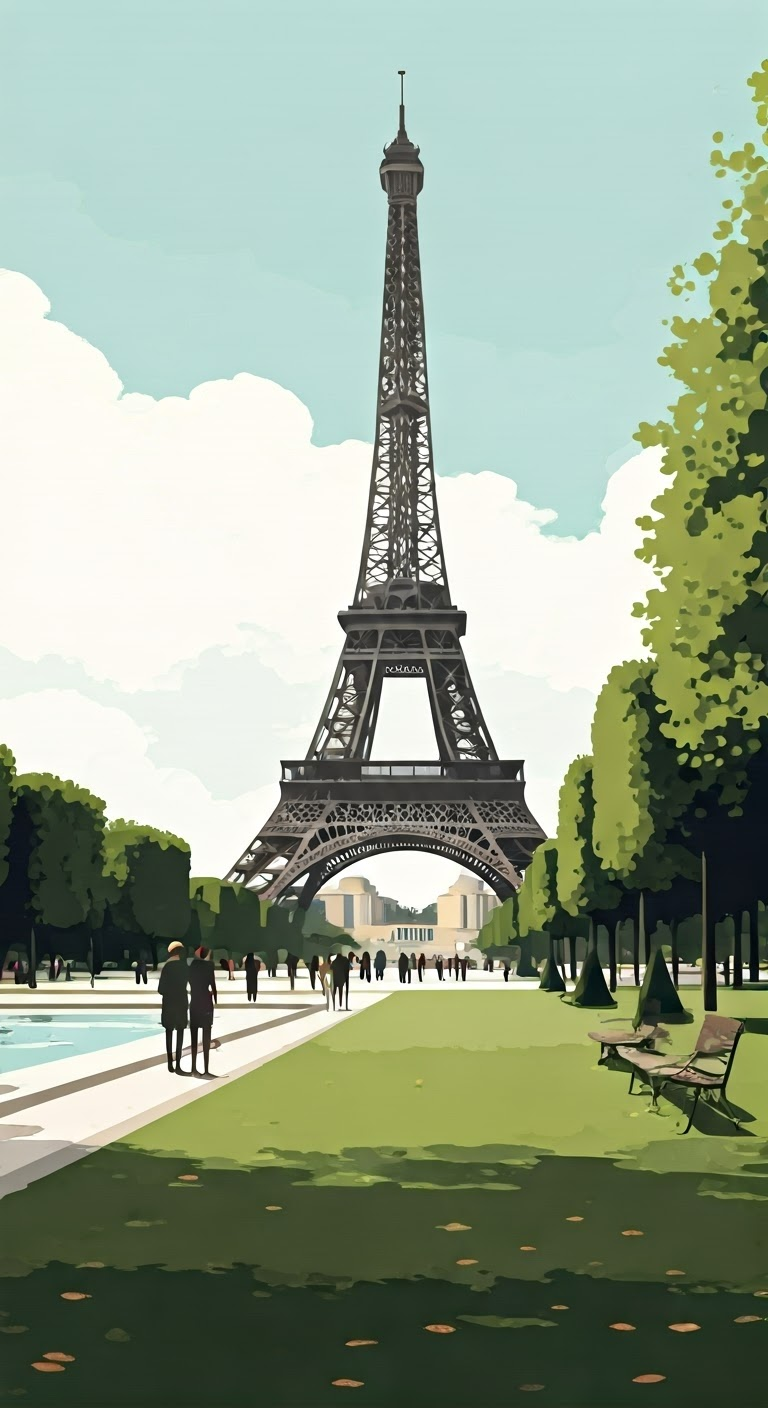
Planning your visit to the Eiffel Tower is important for a smooth and fun time. You can buy tickets online to skip long lines, especially during busy tourist seasons. Think about going during the less crowded shoulder seasons or on weekdays for a calmer experience.
Keep in mind that there are security checks, so pack light and know what items you can’t bring. Whether you are going to the top floor for amazing views or having a meal on the first floor, being ready helps you enjoy the Eiffel Tower’s beauty to the fullest.
Exclusive Tour Experiences
For those who want a deeper experience, think about joining an exclusive guided tour. These tours show you parts of the tower that the public can’t access. You will learn about how the tower works. This includes the engine room that runs the lifts and its important role in communications.
Some tours also let you see Gustave Eiffel’s private apartment, which is at the top floor. Just think about standing in the same place where this engineering genius planned and managed his great work. Exclusive tours give you a special view of the Eiffel Tower. You will discover its hidden stories and impressive design in more detail.
Practical Visitor Information for the Eiffel Tower
Are you planning to visit the Eiffel Tower? Get ready for a great time with these useful tips. Try to buy your tickets online ahead of time. This will save you from waiting in long lines, especially during busy seasons. The Eiffel Tower is open every day from 9:30 am to 10:30 pm. Pick a time that works best for your day.
It’s important to keep security in mind. Travel light to speed up the checks at the entrance. Also, know what items are not allowed inside. Whether you want to go to the amazing «top level» or have a meal at the «Tour Eiffel Restaurant», being ready will help you enjoy the impressive views and experiences the tower has to offer.
Unique Eiffel Tower Experiences
Looking for an amazing trip to the Eiffel Tower? Go beyond just a normal visit. Find unique experiences instead. Enjoy a special meal at «Madame Brasserie» on the first floor. Taste delicious French food while taking in stunning views of the city. This is a perfect place for a romantic dinner or a special occasion.
To have the best experience, think about the time of day. The tower shines with 20,000 lights each hour after dark. This creates a wonderful mood. Visiting at night gives you beautiful views of the lit-up city. During the day, you can take great photos and see Parisian landmarks more clearly.
Myths and Legends of the Eiffel Tower
The Eiffel Tower has many myths and legends. One popular story says that Gustave Eiffel had a secret apartment inside the tower. This hidden space was said to let Eiffel escape the busy city life. He could host guests and enjoy his love for astronomy while taking in stunning views.
Even though we don’t know all the details about this apartment, it’s thought that there might be some truth to the tale. Historical records show that Eiffel did have a small office on the top floor. However, people remain curious about how it was used. This story adds more charm to the Eiffel Tower, making visitors wonder about the secrets it holds within its grand structure.
The Eiffel Tower in Pop Culture
The Eiffel Tower’s unique shape is not just a symbol of Paris. It has become a world-famous icon, seen in many films, books, songs, and artworks. The tower often represents Paris itself. It appears in romantic comedies, action-packed thrillers, and serves as a background for exciting scenes, love stories, and key moments in plots.
The Eiffel Tower also inspires many songwriters, authors, and artists. You can find its image on postcards and in fashion designs, showing how important it is in culture. Whether it stands for love, showcases human talent, or is simply a beautiful sight, the Eiffel Tower’s role in pop culture shows just how much it matters to people’s imaginations around the world.
Parisian Perspectives on the Eiffel Tower
For people in Paris, the Eiffel Tower is more than just a place for tourists to visit. It’s a big part of what makes their city special. It brings them pride. If you ask a Parisian about it, they will often share stories and memories linked to the tower. This could be a memory from childhood of visiting with family, a romantic picnic under its sparkling lights, or just the love of seeing it in the skyline on the way to work.
Even with so many tourists coming, the Eiffel Tower is still a big part of everyday life in the city. It shows how strong and flexible Parisians can be. The tower started as something people questioned but has become a symbol of national pride and global love. For those in Paris, it is proof of their city’s ongoing charm, creativity, and its ability to touch hearts around the world.
Eiffel Tower Through the Seasons
The Eiffel Tower is a lovely sight during every season. Each time of year has its own special charm. In spring, the tower is surrounded by blooming gardens. Summer brings warm, golden sunlight that makes it shine. When autumn comes, the leaves turn vibrant colors like red, orange, and yellow. This makes a beautiful picture with the tower’s strong steel structure.
In winter, the tower looks magical. Picture the city covered in snow. The tower is lightly covered with frost and stands out against the cold, clear sky. During the holidays, twinkling lights brighten the tower, making it even more special. These moments create lasting memories. No matter when you visit, the Eiffel Tower gives a unique and unforgettable experience.
Architectural Symbolism of the Eiffel Tower
The Eiffel Tower is important for more than just how it looks. It stands as a strong symbol of human ambition and new engineering ideas from the late 19th century. It represents France’s strength in industry and art.
The design of the tower shows Gustave Eiffel’s skill with wrought iron. It broke the usual rules of building and highlighted what could be done with new materials and technologies. When it was built, its great height showed how humans strive for greatness and want to overcome challenges. Today, the Eiffel Tower remains a strong reminder of human creativity. It inspires us to see the endless possibilities we can reach with effort and by welcoming new ideas.
Evolution of the Eiffel Tower’s Significance
The Eiffel Tower was first built as a temporary structure for the 1889 Exposition Universelle. Its meaning has changed a lot since then. At first, it was a sign of progress in technology. However, some people didn’t like its look and questioned its use.
Over time, the tower took on new roles, such as helping with radio communications and research. This made it very important. Now, the Eiffel Tower is much more than just a structure. It is a world symbol of France, true love, and smart design. The tower’s journey from a temporary display to a famous landmark shows how it has changed and won the hearts of people everywhere.
Myths and Legends of the Eiffel Tower
The Eiffel Tower is not just a tall structure. It has sparked many myths and stories over the years. One famous story is about Gustave Eiffel, who designed the tower. Some people think that he had a secret apartment inside the tower. This hidden space is supposed to have great views of Paris. Though it’s not open to the public, it’s said he entertained special guests like Thomas Edison there.
Another popular story claims the tower hides a secret message. This message is only meant to be found on the first day of spring. Legend says that Gustave Eiffel carved a coded message into the ironwork. This code is said to contain a secret about the tower or Paris itself. Many visitors are inspired by this legend and try to solve the code, making the tower even more intriguing.
The Eiffel Tower Through the Seasons
The Eiffel Tower stands proudly on the Champ de Mars in Paris. It is a stunning sight no matter the season. Designed by Gustave Eiffel, this famous structure attracts many visitors with its beauty. The top level draws lively crowds, and the Tour Eiffel restaurant on the second floor offers a lovely atmosphere. Each season creates a different experience at this most visited monument. From the bright colors of spring to the magical winter nights by the Seine, the Eiffel Tower delights its visitors all year long.
Parisian Perspectives on the Eiffel Tower
For people in Paris, the Eiffel Tower is not just a beautiful sight; it is a quiet keeper of their city. It stays the same in a city that changes all the time. Even with many tourists around, locals have a special bond with the tower. It symbolizes their strength, honor, and pride.
For many, the tower stands for important moments, love stories, or simply comfort in everyday life. Seeing the tower while traveling or during a walk in the evening helps them feel closer to Paris and its rich culture. It tells a shared story that is a part of their lives, a lasting symbol that shows their connection to the city.
Conclusion
In conclusion, the Eiffel Tower is an impressive structure with a rich history filled with hidden stories. It has architectural symbols and unique experiences for every visitor. It faced a lot of criticism when it was first built, but now it is loved by many. The tower has intricate carvings and offers special tours that attract people from all over the world. Discover the secrets and the legends about this famous landmark. Learn about its importance in different seasons and how it appears in pop culture. Find out about Parisian views, unique tour options, and useful tips for visitors to make your Eiffel Tower trip unforgettable. Enjoy the magic of this architectural gem and see how its cultural influence has changed through the years.
Frequently Asked Questions
Why was the Eiffel Tower almost demolished?
The Eiffel Tower looks impressive, but it was first built as a temporary structure for the 1889 Exposition Universelle at Champ de Mars in Paris. Gustave Eiffel thought of a new purpose for it. He suggested it could be used as a radio communication tower. This idea helped save the tower from being taken down.
Are there any secret rooms within the Eiffel Tower?
The «Tour Eiffel Restaurant,» «Madame Brasserie,» and the viewing spots on the «top level» and «second level» are well-liked. But there are no confirmed secret rooms for the public inside this «most visited monument.» Gustave Eiffel did have a private apartment close to the top. It is now a museum.
How often is the Eiffel Tower painted, and why?
The «Eiffel» in «Paris» is a tall tower made of iron. It needs careful «maintenance.» This includes repainting it every seven years. This repainting protects the tower from rust and keeps its famous look.