
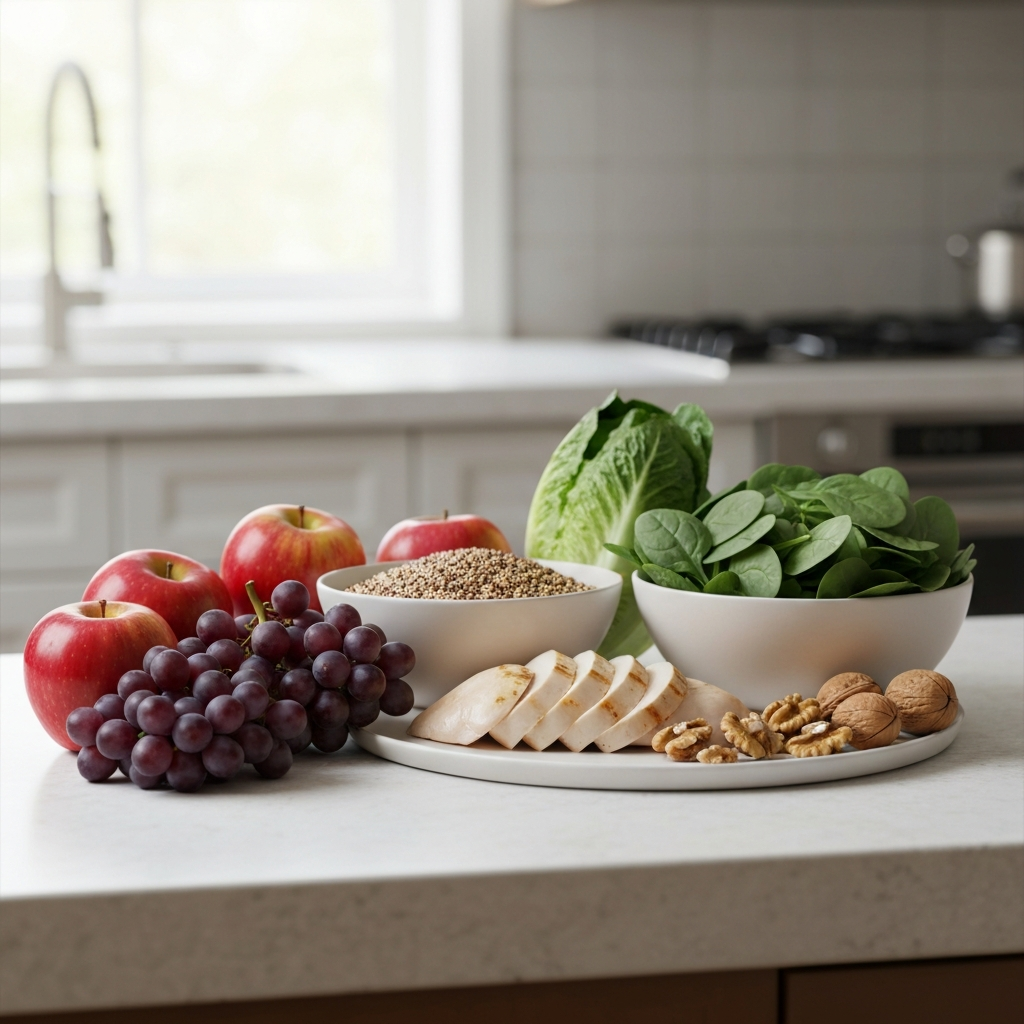
Key Highlights
Here are the main points to help you start healthy eating:
-
A balanced diet is very important for good health. It helps you feel your best.
-
Try to eat at least five portions of different fruit and vegetables every day. This can lower your risk of heart disease.
-
Make your meals with whole grains like brown rice and oats, not refined grains.
-
Pick lean proteins and unsaturated fats to give your body what it needs.
-
Following dietary guidelines can help you keep a good weight and lower health risks.
-
Reading nutrition labels can help you choose better foods at the store.
Introduction
Welcome to your complete guide to healthy eating! Eating a balanced diet is one of the best things you can do for your good health. It does more than just help you keep a healthy weight. A balanced diet also gives many health benefits that can make you feel great. This guide will help you learn the basics, like choosing the right foods and reading labels. It will make your journey to good health easy and clear.
Essential Healthy Food Choices for Every Diet
Building a balanced diet begins by knowing which foods matter most. To get many nutrients, you need to pick different foods from the main food groups. Eating whole, unprocessed foods is key to healthy eating.
Try to make your meals mainly from high-fiber starchy foods. Add lots of fruits and veggies. Also, choose lean proteins. The next parts will look at the best picks in each food group, like whole grains, fresh produce, and good proteins.
1. Fresh Fruits and Berries
Fruits and berries should be a big part of the food you eat every day. They have many vitamins, minerals, and fiber that help your body. Eating a variety of fruit can lower your risk of heart disease, stroke, and some cancers. Berries like blueberries and strawberries are very good because they have lots of antioxidants.
Getting your daily fruit intake is easier than you think. One apple or banana counts as one portion. You can put dried fruit in your cereal or eat a slice of melon as a snack. The goal is to eat at least five portions every day. They can be fresh, frozen, or canned, which makes it easy to have them in your kitchen.
Here’s a quick guide to portion sizes:
-
An 80g serving of fresh, canned, or frozen fruit.
-
A 30g serving of dried fruit, best eaten with meals.
-
A 150ml glass of fruit juice, only one per day because it has sugar.
2. Leafy Green Vegetables
Dark green vegetables are very healthy and you should eat them three to four times a week. Eating a variety of vegetables is important to get enough vitamins, minerals, and fiber. Veggies like kale, spinach, and broccoli are great choices. They help your overall health and can help control blood pressure.
Including veggies in your meals is easy. You can add a side salad to your lunch or eat some vegetables with your dinner. These foods should be just over a third of your daily food intake, along with fruit. They are a good source of fiber, which helps keep your digestion healthy.
Think about adding these to your shopping list:
-
Leafy greens like kale and spinach.
-
Broccoli and brussel sprouts.
-
Peppers and other brightly colored veggies.
3. Whole Grains
Starchy foods should be a major component of your meals, but the type you choose matters. Whole grains are always a better option than refined grains like white bread or white rice. Whole grains contain more fiber, vitamins, and minerals, making them a cornerstone of a healthy diet.
When shopping, look for products that list “whole wheat” or “whole grain” as the first ingredient. A good source of fiber contains 3 to 4 grams of fiber per serving, while a great source has 5 or more. Swapping to whole grains is a simple change with big benefits.
Here’s how whole grains stack up against refined grains:
|
Whole Grains |
Refined Grains |
|---|---|
|
Brown rice |
White rice |
|
Oatmeal |
White bread |
|
Quinoa |
White pasta |
|
Barley |
Sugary cereals |
4. Lean Proteins (Chicken, Fish, Eggs)
Protein is important for your body to grow and heal. Foods like poultry, fish, and eggs give you protein along with many vitamins and minerals. When picking meat, try to choose lean cuts and skinless poultry. This helps lower your fat intake. It is also better to eat less processed meat like bacon and ham.
Fish is a great protein source too. Oily fish has a lot of omega-3 fatty acids, which are very good for you. Try to eat fish twice a week. Make sure one of these is an oily fish like salmon, tuna, or sardines. You can use fresh, frozen, or canned fish, whichever is easier.
Keep these protein foods in your kitchen:
-
Skinless chicken or turkey.
-
Oily fish like salmon and sardines.
-
Eggs, which give you good nutrition and are easy to cook.
5. Nuts and Seeds
Are you looking for a healthy snack? Nuts and seeds are a good choice. They have fiber and unsaturated fats. These fats can help lower cholesterol. Flaxseed and sunflower seeds give you zinc and fatty acids that are good for your health.
Nuts have good nutrition, but they also have a lot of fat and calories. So, you should eat them in moderation. A small handful, or about 1/4 cup, is a good daily amount. Choose unsalted nuts to avoid too much sodium.
Here are some good ways to add nuts and seeds to your diet:
-
Add 1 to 2 tablespoons of ground flaxseed to your food each day.
-
Snack on a moderate amount of unsalted nuts.
-
Sprinkle seeds over salads or yogurt for extra crunch and nutrition.
How to Spot Truly Healthy Foods at the Grocery Store
Going through the grocery store can be hard, but knowing how to pick healthy foods is important for good dietary patterns. Fresh fruits and vegetables are an easy choice, but you need to check packaged foods carefully. This is to avoid hidden sugar, salt, and bad fats.
When you make smart choices, you can keep to your healthy eating goals. It also helps you avoid eating too many empty calories, which can lead to a risk of obesity. The next parts will give you simple tips on how to read nutrition labels. You will also learn how to tell the difference between healthy and unhealthy packaged foods.
Understanding Nutrition Labels and Ingredients
To make healthier choices, it is important to understand nutrition labels and ingredients. Check the grams of fiber, saturated fat, and unsaturated fats to see the health benefits of food. Choose whole grains like brown rice instead of white bread. Also, eat a variety of vegetables and fruits every day. Be careful with ingredients that have high saturated fat. These fats can raise the risk of heart disease and obesity. Reading labels helps you keep good health and control your weight well.
Key Signs of Healthy vs. Unhealthy Packaged Foods
When you pick packaged foods, there are clear signs to tell if they are healthy or not. Healthy packaged foods usually have a short and simple list of ingredients. You can easily know what they are. These foods come from whole foods and are made with little processing.
On the other hand, many processed foods have a lot of sugar, salt, and saturated fat. This raises the risk of cardiovascular disease. If the food has a long list of artificial ingredients, preservatives, and added sugars, that is a warning sign. You can eat these foods sometimes, but not all the time.
Look for these key differences:
-
Healthy: Short ingredient list, low in added sugar and salt, made from whole grains.
-
Unhealthy: Long list of artificial ingredients, high in saturated fat, often contains lots of added sugar.
-
Healthier choices: Foods like canned beans, frozen vegetables, and whole-grain crackers.
Conclusion
In short, choosing healthy foods is very important for your overall health and energy. When you add fresh fruits, leafy greens, whole grains, lean proteins, and nuts to your meals, you are helping yourself stay healthy. Knowing how to pick healthy foods when you shop can help you make better choices that match your health goals. Remember, eating healthy does not have to be hard. Start with small changes and slowly create a way of life that lasts. If you want advice that fits your needs, you can ask for a consultation. Your body will be grateful!
Frequently Asked Questions
What does a balanced diet look like according to health experts?
Dietary guidelines say a balanced diet means eating many types of foods from each main food group in the right amounts. It focuses on whole foods and limits processed foods that have a lot of fat, sugar, and salt. It also stresses the need to eat in moderation to keep a healthy weight. This way of healthy eating helps you get all the nutrients you need.
Can you give me a simple daily meal plan using only healthy foods?
Sure! For breakfast, you can eat oatmeal with fresh fruit. For lunch, have a big salad with legumes, veggies, and a light vinaigrette. For dinner, enjoy a piece of baked salmon with brown rice and steamed broccoli on the side. This meal plan focuses on healthy foods that are full of nutrients.
What are the benefits of choosing fresh foods over processed foods?
Fresh foods have more vitamins, minerals, fiber, and antioxidants than most processed foods. They also have less added sugar, salt, and bad fats. Eating fresh foods helps support good health. It can lower cholesterol, control blood pressure, and lower the chance of long-term illnesses.